石油人民币体系

Search documents
人民币只在中国叫“人民币”,出国就变了称呼?这叫法确实高大上
Sou Hu Cai Jing· 2026-02-15 12:43
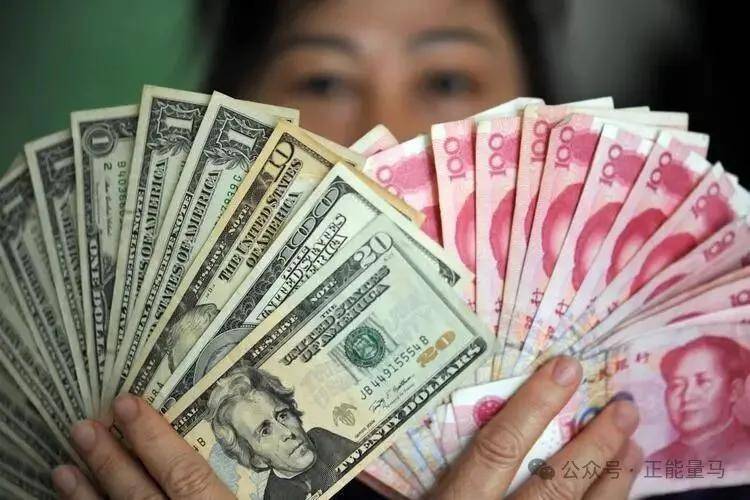
经济发展离不开贸易,贸易往来又必须靠货币完成结算。不同国家有各自的货币,跨国交易时,大家都会优先选稳定性更强的 货币。过去很长时间里,美元是全球贸易的主要结算货币,如今这个格局正在慢慢向人民币倾斜。 今天不聊人民币的国际化进程,只说一个很多人不知道的细节。人民币在国内叫这个名字,走出国门之后,官方叫法完全不一 样,听起来也更正式。 平时生活里,大家经常看到 RMB 的标识,都以为这是人民币在国际上的叫法。其实 RMB 只是汉语拼音首字母缩写,只在国 内日常使用,并不符合国际标准。 国内把货币叫做人民币,核心原因很简单。我们是人民当家作主的国家,国家的经济和财富都由人民创造,货币名称自然要体 现这一点。 而国际上使用 CNY,是为了适配全球贸易的统一规则。CNY 简洁通用,能让各国更方便地完成跨境结算与经济合作,是融入 国际体系的必要选择。 这些年中国经济稳步发展,GDP 总量稳居世界第二,还是全球最大的消费市场。庞大的市场体量,让越来越多国家愿意和我 们深化经济合作。 人民币真正的国际通用缩写是CNY,这才是全球金融和贸易里认可的官方名称。CNY 有两层意思,一层是 China Yuan,代表 中国的法定货币 ...

突发特讯!沙特通告全球:对美国投资增至1万亿美元,引爆国际舆论
Sou Hu Cai Jing· 2025-11-19 07:51
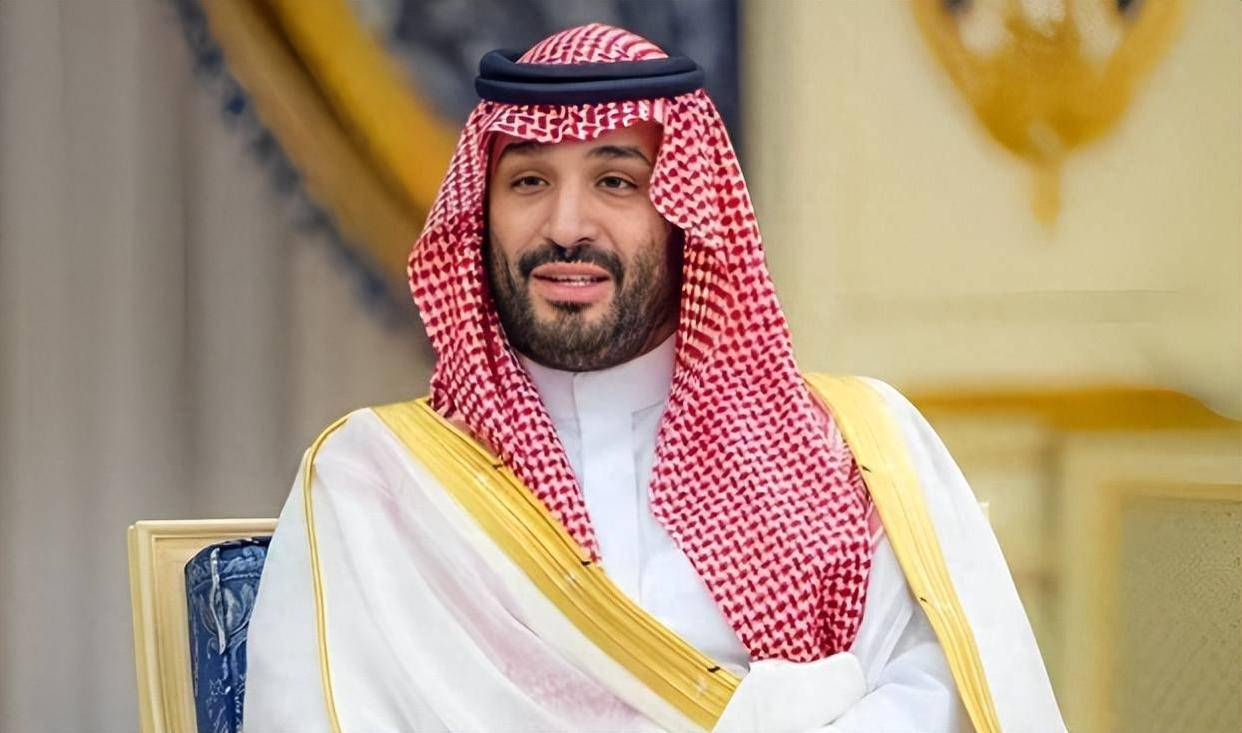
Group 1 - The core announcement from Saudi Crown Prince Mohammed bin Salman is the increase of Saudi investments in the U.S. from $600 billion to an unprecedented $1 trillion, signaling a significant shift in international economic relations [1][2]. - This investment is not merely a financial maneuver but is underpinned by three strategic layers: strengthening U.S.-Saudi relations, accelerating Saudi Arabia's Vision 2030, and positioning Saudi Arabia within the geopolitical landscape [2][3]. - The investment serves as a "super adhesive" to solidify the alliance between Washington and Riyadh, reminiscent of the "petrodollar" agreements of the 1970s, creating a mutually beneficial relationship based on economic interdependence [2][3]. Group 2 - The $1 trillion investment is viewed as a catalyst for Saudi Arabia's transition away from oil dependency, facilitating access to advanced technologies in various sectors such as AI, renewable energy, biotechnology, and semiconductors [2][3]. - This move also reflects a strategic positioning in the geopolitical chess game, indicating Saudi Arabia's continued alignment with Western powers amidst a rapidly changing Middle Eastern landscape [3][4]. - The investment highlights the dual nature of U.S. dollar dominance, reinforcing its status while simultaneously exposing systemic risks associated with over-reliance on dollar assets, as global economies seek diversification [5][6]. Group 3 - The announcement signifies a broader trend of "Global South" countries seeking a dynamic balance between traditional alliances and new partnerships, moving away from binary choices in international relations [5][6]. - The implications of this investment extend beyond immediate financial impacts, suggesting a reconfiguration of global power dynamics and the emergence of new economic orders [8][10]. - The investment is a reminder that national interests drive international actions, with pragmatic calculations often overshadowing ideological considerations in global affairs [8][10].