
石油供过于求

Search documents
IEA下调2026年石油需求增长预期,维持供过于求预警
Xin Lang Cai Jing· 2026-02-12 09:13
根据国际能源署(IEA)2月12日发布《石油市场报告》,将2026年全球石油需求增长预期从上月的93 万桶/日下调至85万桶/日,主要受年初油价上涨抑制增长影响,届时总需求预计达1.0487亿桶/日。供应 方面,预计2026年将增长240万桶/日,导致市场出现约370万桶/日的巨大盈余。报告指出,2025年全球 库存已大幅增加4.77亿桶,盈余水平逼近2020年疫情时期,预示未来市场仍面临显著的供应过剩压力。 ...
国际油价下跌,国内油价涨幅下降,2月9日柴油、95、92号汽油价格
Sou Hu Cai Jing· 2026-02-11 05:48
Core Viewpoint - Domestic oil prices in China are set to increase again after the Spring Festival, with adjustments scheduled for February 24, 2026, reflecting a rise in international oil prices [2][12]. Group 1: Price Adjustments - The upcoming adjustment will see gasoline prices increase by 290 yuan/ton and diesel prices by 280 yuan/ton [2]. - The fourth round of domestic oil price adjustments for the year will commence on February 24, 2026, with a projected increase of 110 yuan/ton based on the latest market data [4]. Group 2: Market Analysis - The international oil price is currently fluctuating below the critical resistance level of $70 per barrel, indicating a lack of upward momentum [6]. - OPEC's data shows that Brazil's crude oil exports in January reached 10.57 million tons, up from 9.33 million tons year-on-year, contributing to a global oversupply of oil [8]. - Rising fuel oil inventories in Singapore, which increased by 4.261 million barrels to 24.199 million barrels, suggest a continued oversupply in the market [8]. Group 3: Consumer Impact - Consumers should prepare for a potential three consecutive increases in domestic oil prices, regardless of the return of tolls on highways after the Spring Festival [6]. - The latest retail prices for gasoline and diesel across various provinces indicate significant regional price variations, with prices in cities like Chongqing reaching 8,820 yuan for gasoline and 7,820 yuan for diesel [10][11].

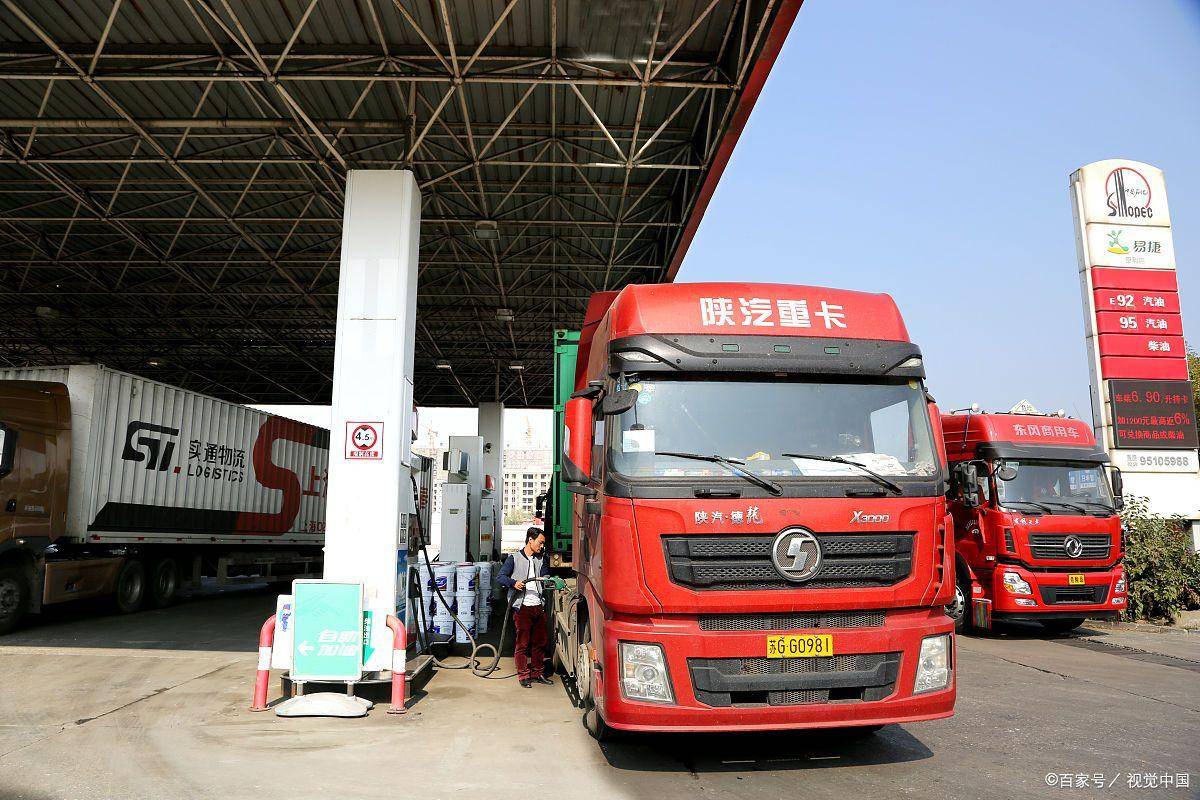
高盛:投资者对石油的看空情绪达到近十年来最高水平
Sou Hu Cai Jing· 2026-01-08 21:46
Core Viewpoint - A recent survey by Goldman Sachs indicates that geopolitical factors have led institutional investors to hold the most pessimistic outlook on oil in nearly a decade, with the global market facing an oversupply of oil [1] Group 1: Investor Sentiment - Over 59% of more than 1,100 clients surveyed by Goldman Sachs are bearish or slightly bearish on the crude oil market, marking a level slightly above the lowest recorded since January 2016 [1] - This bearish sentiment is attributed to increased production from OPEC+, record output from the U.S., and supply increases from countries like Brazil and Guyana, resulting in the worst oil price performance since 2020 [1] Group 2: Supply Dynamics - The oversupply situation is expected to worsen this year, with potential resolution of the Russia-Ukraine conflict likely to eliminate supply disruptions and sanctions on Russian oil [1] - The U.S. plans to control future oil sales from Venezuela, which could push more crude from the South American country into the market [1]