石油美元结算

Search documents
中东动荡局势加剧,避险情绪驱动金银走强
Guang Fa Qi Huo· 2026-03-05 06:43
Report Industry Investment Rating - No relevant information provided Core Viewpoints - The intensification of the turmoil in the Middle East has led to a surge in risk aversion, driving up the prices of gold and silver. The conflict between the US and Iran has caused supply disruptions in energy and chemical products, and the prices of precious metals have strengthened due to risk aversion. [1] - The situation in the Middle East may become more chaotic, turning a "black swan" event into a "grey rhino" event, which will have a far - reaching impact on the global economy and put pressure on global economic growth. [2] - Depending on the development of the US - Iran conflict, there are three scenarios: optimistic, neutral, and pessimistic. The neutral and pessimistic scenarios may provide medium - to long - term support for precious metal prices. [5][6][7] - In terms of investment strategies, gold long positions should be held with a long - term view, and out - of - the - money call options can be sold to protect the long positions. For silver, attention should be paid to the support of the 20 - day moving average and the resistance of $100, and out - of - the money call options can be bought instead of futures long positions. [7] Summary by Related Catalogs Market Situation - Due to the breakdown of nuclear negotiations, the US launched a military strike against Iran and killed several important leaders including Supreme Leader Khamenei. Iran retaliated and closed the Strait of Hormuz. On Monday, the international gold price approached the $5400 mark, and the Shanghai gold main contract rose by more than 4%. The international silver price rose by 3% in the morning and then narrowed, while the Shanghai silver main contract rose by more than 8%. [1] Driving Analysis 1: Potential for Greater Chaos in the Middle East - After the death of Khamenei, Iran established a temporary leadership committee on March 1. The conservative forces led by Larijani still control the Islamic Revolutionary Guard Corps and are determined to counterattack. If the conflict drags on, it may turn from a "black swan" to a "grey rhino" event, affecting the US government's support rate and fiscal deficit, and causing chaos in the Middle East and global economic pressure. [2] Driving Analysis 2: Scenario Analysis of the US - Iran Conflict - **Optimistic Scenario**: If the US and Iran reach a strategic balance within one month, stop large - scale attacks, and resume shipping in the Strait of Hormuz and the Red Sea under the mediation of the United Nations and regional countries, the oil price will fall, and the risk - aversion demand will gradually weaken. [5] - **Neutral Scenario**: The US and Iran will form a low - intensity confrontation and long - term game. The US will maintain sanctions, and Iran will counter moderately. The Strait of Hormuz will be open under limited conditions, and the market will gradually incorporate the impact. [6] - **Pessimistic Scenario**: If the conflict escalates and spreads to a full - scale confrontation, the Strait of Hormuz and the Red Sea shipping will be blocked, leading to a global energy crisis and economic turmoil. [6] Impact on Precious Metals - The key to the US - Iran conflict lies in both sides finding the least - cost way to maximize benefits. The neutral and pessimistic scenarios may provide medium - to long - term support for precious metal prices. The scale of this conflict is larger than the previous two attacks, and the impact may be greater. In the short term, market fluctuations may be volatile. [7]
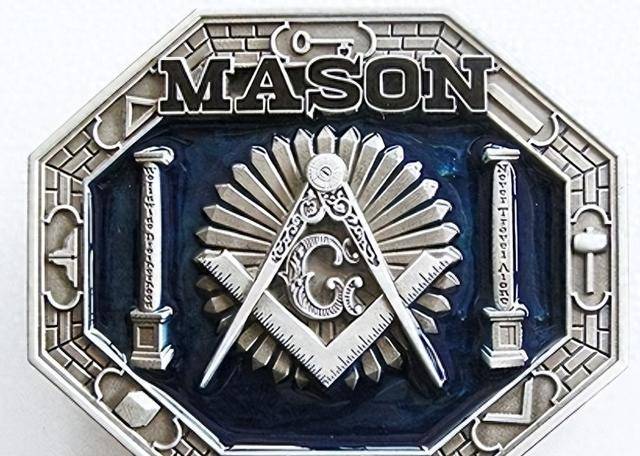
总统可以死,美元不能动:共济会的金融铁律
Sou Hu Cai Jing· 2025-05-10 05:38
Group 1 - The article discusses the assassination of President Kennedy and its connection to the control of the U.S. dollar issuance, suggesting that he attempted to reclaim monetary sovereignty through Executive Order 11110, which allowed the Treasury to issue silver certificates without Federal Reserve involvement [2] - It draws parallels with President Lincoln, who issued "greenbacks" during the Civil War, and was assassinated shortly after, implying a pattern of presidential assassinations linked to monetary reform efforts [4] - The Federal Reserve, established in 1913, is described as a consortium of private banks that profits from government debt, with data indicating that for every dollar collected in taxes, 30 cents goes to pay interest to the Federal Reserve [5] Group 2 - Following Kennedy's assassination, the issuance of silver certificates was immediately halted by his successor, Lyndon Johnson, indicating a power struggle behind the scenes [7] - The article outlines a timeline of events post-1971, including the establishment of the petrodollar system and military interventions in oil-rich regions, suggesting a financial warfare strategy [9] - It highlights the influence of the Freemasons in controlling media and educational institutions, with a significant presence in major media boards and funding for think tanks [11] Group 3 - The article asserts that modern empires do not require territorial conquest but can destabilize nations through monetary control, exemplified by the collapse of the Soviet Union following IMF intervention [13] - It concludes that the tragedies of Kennedy and Lincoln are not coincidences but rather a reflection of a systemic issue where presidents are mere temporary figures, while the true power remains hidden [15]