矿产联盟

Search documents
特朗普向全球发出通牒:180天内必须对中国动手,不配合就加税
Sou Hu Cai Jing· 2026-01-20 09:44
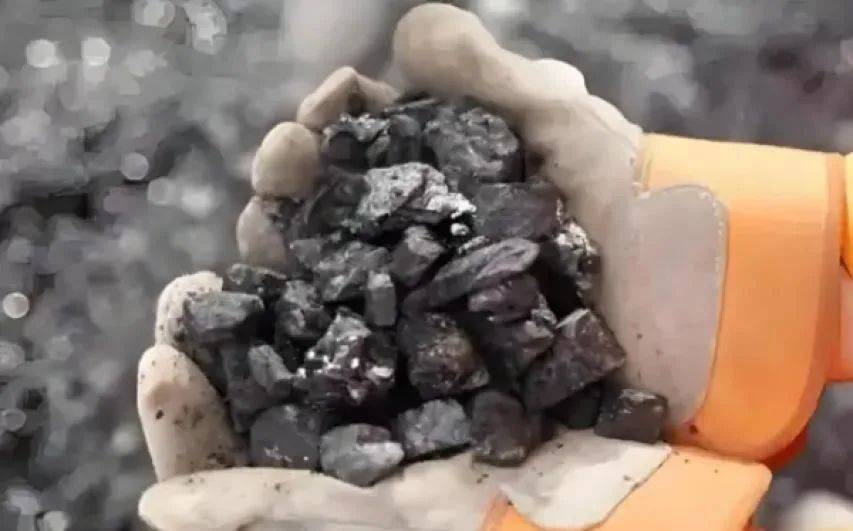
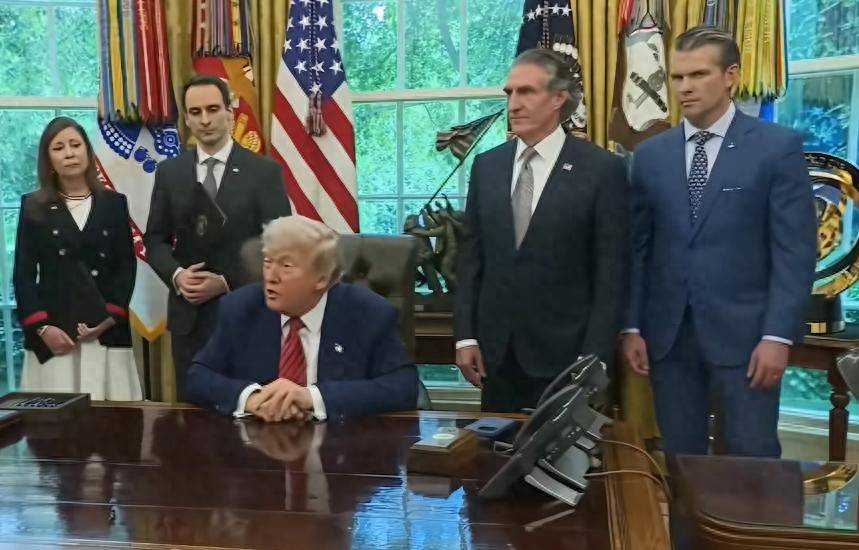
Group 1 - The core viewpoint of the articles suggests that the Trump administration's shift in attitude towards China is primarily due to the failure of the tariff war, leading to a renewed aggressive stance against China, including the formation of a new alliance aimed at reducing China's dominance in global mineral resources [1][6][10] - The newly formed alliance includes Japan, South Korea, Singapore, Australia, and Israel, with the objective of decreasing reliance on Chinese minerals, as directed by Trump [3][5] - Trump's ultimatum to initiate negotiations with allies on mineral imports is seen as a coercive tactic rather than a collaborative effort, highlighting the vulnerabilities of the allied nations that depend on the U.S. for military and economic support [5][6][12] Group 2 - The U.S. is facing a paradox where it seeks to maintain its global leadership while being dependent on China for critical industries, particularly in rare earth elements, which are essential for advanced technologies [8][10] - Despite the U.S. having its own rare earth resources, it lacks the necessary processing technology, making it difficult to establish an alternative supply chain within the proposed 180-day timeframe [10][12] - China has prepared for potential disruptions by restricting the export of key technologies and maintaining a complete rare earth industry chain, ensuring its position as the dominant supplier globally [12][13]

禁令没效果?3834吨锑氧化物涌入美国,泰国和墨西哥麻烦大了!商务部已经出手
Sou Hu Cai Jing· 2025-07-15 03:39
Core Insights - The article highlights the unusual influx of 3,834 tons of antimony oxide into the U.S. from Thailand and Mexico between December last year and April this year, suggesting a strategic maneuver by the U.S. to circumvent China's rare earth export restrictions [1][3] - The U.S. is utilizing third countries to disguise rare earth materials as ordinary goods, employing a "ant-like" smuggling method with frequent small shipments to avoid detection [1][3] Group 1: Trade Dynamics - Thailand and Mexico were not in the top ten exporters of antimony to the U.S. in 2023, but they suddenly became top three exporters within a few months, indicating a significant shift in trade patterns [3] - The amount of antimony oxide imported from these countries during the specified period exceeded the total imports from the previous three years, raising questions about the legitimacy of these exports [3] Group 2: U.S. Supply Chain Vulnerabilities - The U.S. relies heavily on imports for 41 out of 50 critical minerals, with 29 of those being predominantly sourced from China, highlighting the fragility of its mineral supply chain [3][4] - Despite having rare earth mines, the U.S. lacks sufficient processing capacity, with almost no domestic rare earth refining capabilities, which poses a risk to industries reliant on these materials, such as military aircraft manufacturing [3][4] Group 3: Legislative and Strategic Efforts - The Trump administration's Critical Minerals Revitalization Act aimed to reduce import dependency but faced significant challenges due to environmental opposition, hindering mining projects [4] - The U.S. is attempting to form a "mineral alliance" with 15 countries to create a new rare earth supply chain, but efforts to secure resources have been met with political and logistical difficulties [4] Group 4: International Relations and Smuggling Issues - Indian companies are reportedly involved in rare earth smuggling while publicly criticizing China, undermining their credibility in international trade [6][9] - The Chinese government has implemented strict measures to combat rare earth smuggling, including a comprehensive regulatory framework and advanced tracking systems to monitor the supply chain [7][9] Group 5: Future Implications - The increasing sophistication of China's tracking technology is expected to make it more difficult and costly for the U.S. to continue its current smuggling strategies [7][9] - India's failure to provide complete supply chain data may lead to its perception as an unreliable trade partner, potentially isolating it in the global rare earth market [9]