科学护眼

Search documents
防蓝光产品热销 眼科专家厘清认知误区
Zhong Guo Jing Ji Wang· 2025-12-18 00:35
Core Viewpoint - The article discusses the growing concern over blue light exposure from electronic devices and the proliferation of blue light protection products, while highlighting the misconceptions consumers have about their effectiveness and the importance of good eye care habits over reliance on such products [1][3][7]. Group 1: Blue Light Understanding - Blue light is a visible light with a wavelength range of 400nm-500nm, where long-wave blue light (greater than 455nm) is beneficial for regulating biological rhythms and improving mood, while short-wave blue light can be harmful only under high intensity and prolonged exposure [1][2]. - The energy characteristics of blue light mean that only when the irradiance exceeds safety thresholds can it potentially damage retinal cells, with normal electronic device screens operating well below these thresholds [2]. Group 2: Effectiveness of Blue Light Protection Products - There is currently no reliable scientific evidence that blue light protection products can effectively prevent myopia or slow the progression of eye diseases, and their effectiveness may only provide slight relief from eye fatigue compared to adjusting screen brightness and maintaining proper distance [3][4]. - A study revealed that among nine different blue light protection films, four had a blue light blocking rate of less than 20%, with the best performing product only blocking 52.1%, indicating widespread ineffective protection in the market [3]. Group 3: Eye Care Recommendations - Good eye care habits account for 90% of effective eye protection, with outdoor activities and proper eye usage being crucial, while blue light protection products serve as a minor supplementary measure [6][5]. - Experts recommend the "20-20-20" rule, increasing outdoor activity, optimizing visual environments, and regular eye check-ups as essential components of a comprehensive eye care strategy [6]. Group 4: Role of AI in Health Management - AI applications like Ant Financial's "Ant Aifu" are emerging as intelligent partners in personal health management, helping users cultivate healthy habits, including eye care, through features like health diaries and goal setting [7]. - The article emphasizes that consumers should focus on developing healthy lifestyles rather than succumbing to "blue light anxiety," advocating for proactive health management based on scientific understanding rather than reliance on single products [7].
守护儿童视力,陶勇携手inne因你共筑科学护眼新生态
Xin Jing Bao· 2025-09-11 08:30
Group 1 - The core viewpoint emphasizes the urgent need for eye health protection among children in China, with a near-sightedness rate of 51.9% among children and 81.2% among high school students, highlighting a significant public health issue [2] - Professor Tao Yong has been a leading figure in the field of ophthalmology for over 20 years, focusing on clinical practice, research, and public education to combat childhood myopia [2][3] - The collaboration between Professor Tao and the children's nutrition brand inne aims to explore the synergy between medicine and nutrition to protect children's vision from an early age [1][4] Group 2 - Inne, a German-origin children's nutrition brand, emphasizes the importance of nutritional supplements for eye health, aligning with Professor Tao's belief that eye care should be a fundamental part of daily life [4] - Inne has developed products using natural ingredients and pharmaceutical methods, ensuring high absorption and safety for children, and is involved in clinical research to validate the effectiveness of their nutritional solutions [4] - The brand is also committed to global public welfare initiatives, addressing nutritional challenges faced by children in various regions and supporting sports and health-related projects [5]
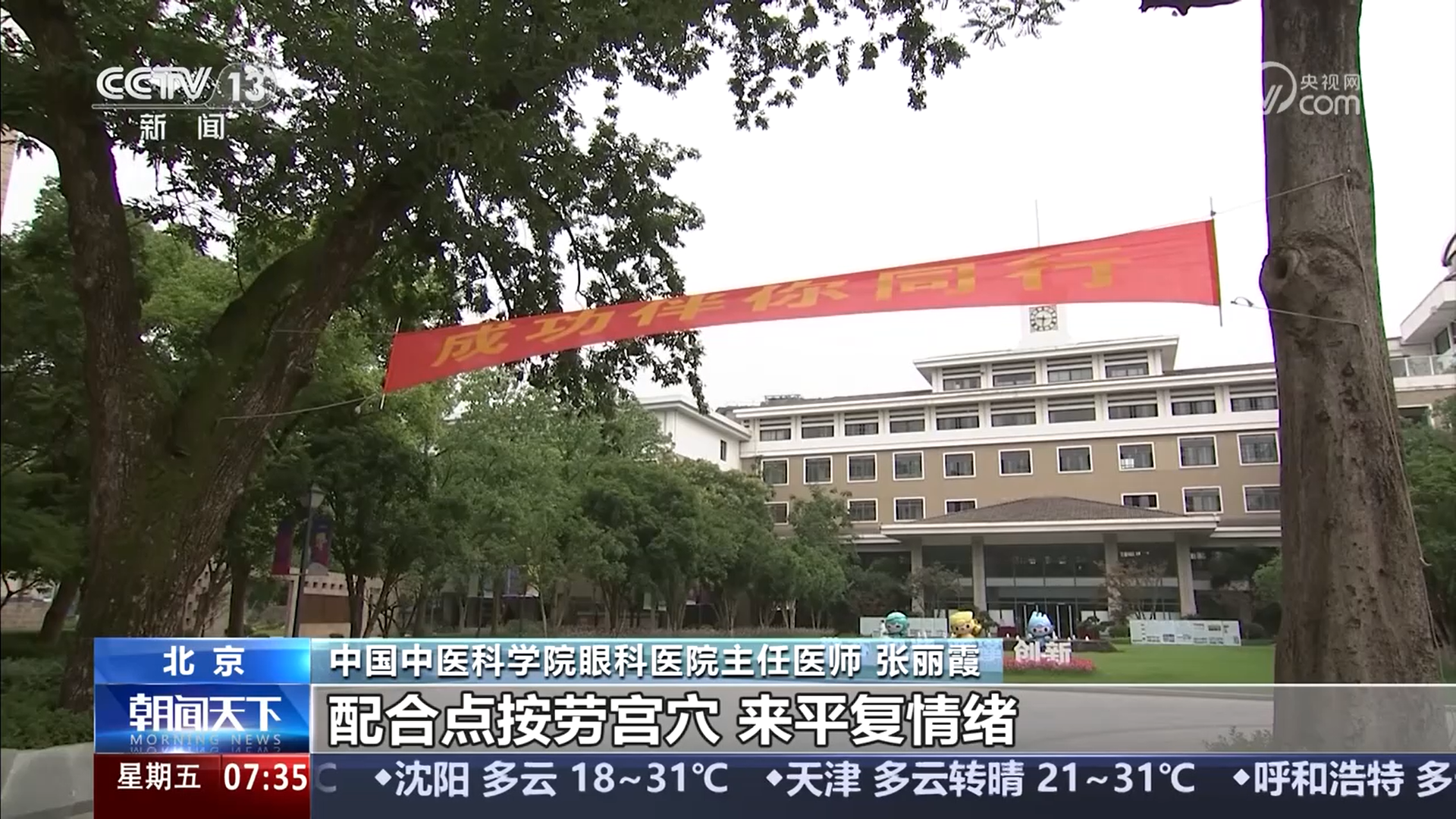
专家提醒:高考在即 考生应注重科学护眼、调整身心状态
Yang Shi Wang· 2025-06-06 03:38
Group 1 - The article discusses the importance of eye care for students preparing for the upcoming college entrance examination, highlighting the increased eye strain during this period [1][3] - Recommendations from experts include ensuring proper lighting while studying, avoiding overly bright or dim screens, and using herbal teas like chrysanthemum, rose, and dried tangerine peel to promote eye health [3] - Simple eye care methods such as warm palm compresses, acupressure on specific points, and blink training are suggested to alleviate eye fatigue [3] Group 2 - The article addresses the physical discomfort caused by excessive stress among students before the examination, with expert advice on managing mental and physical well-being [4][5] - Techniques such as acupressure on the inner gate and spirit gate points, along with a calming herbal remedy made from licorice, wheat, and dates, are recommended to soothe nerves [5] - It is advised to avoid excessive supplementation before exams and to maintain a light, nutritious diet, while familiarizing oneself with the exam environment to reduce anxiety [5]