科技人才评价改革

Search documents
瞭望 | 破立并举激活创新第一资源
Xin Hua She· 2026-02-24 09:01
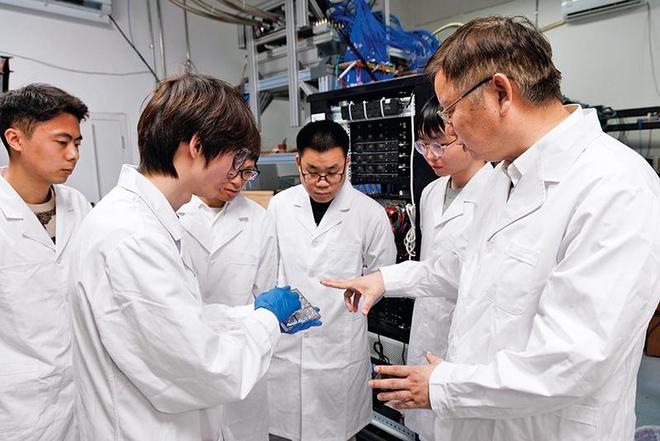
改革打破科研自我循环的"五唯"模式,建立与国家战略需求精准对接的分类分层评价体系 尊重科研规律与人才成长规律,通过优化评价流程与机制,为科研人员赋能 人才评价改革是涉及人才培养、项目支持、资源配置的系统性变革,需与项目评审、经费管理、职称晋 升、薪酬激励等改革深度联动 文 |《瞭望》新闻周刊记者 岳栋 入职仅一年半,北京大学学者孙鑫凭借在随机几何与统计物理领域的研究成果,从长聘副教授破格晋升 为教授;西安电子科技大学教师祝杰杰因在宽禁带半导体领域的创新研究及相关成果被应用于北斗导 航、5G通信等重要领域,在6年内从讲师晋升为教授……这些打破常规的人才成长案例,正是我国深化 科技人才评价改革的生动实践缩影。 深化人才评价体系改革,是激活创新"第一资源"的核心抓手。长期以来,"唯论文、唯帽子、唯职称、 唯学历、唯奖项"的体系制约了科技人才创新活力释放于主战场。 坚持破"五唯"与立新标并举,我国持续深化科技人才评价改革,推动创新要素以深度耦合服务国家需 求,推动"人才红利"更好地转化为"创新红利",更好地服务于高质量发展。 中国科学院物理研究所联合北京大学等组成的科研团队开展实验。图为范桁研究员(右一)和团队成员 ...

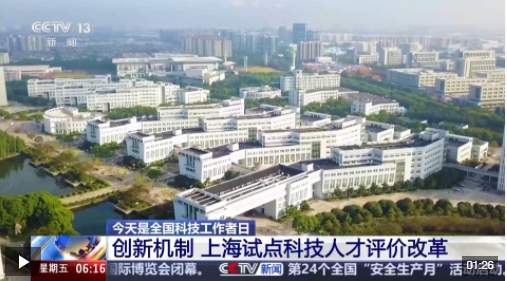
更利于科技工作者做自由探索 科技人才试点工作初见成效→
Yang Shi Xin Wen Ke Hu Duan· 2025-05-31 13:38
Core Viewpoint - The article highlights the ongoing reform of the evaluation system for scientific and technological talents in China, emphasizing the importance of innovation and contribution over traditional metrics like publication count [2][6]. Group 1: Evaluation Reform Implementation - The Ministry of Science and Technology and eight other departments initiated a pilot program for talent evaluation reform in September 2022, involving six regions and 21 universities and research institutions [2]. - Shanghai University is one of the pilot units, where a new evaluation mechanism focusing on innovation quality and contribution is being implemented [4]. Group 2: Research and Development Focus - At Shanghai University, interdisciplinary teams are formed to tackle complex mechanical problems, showcasing a collaborative approach to research [2]. - Young researcher Li Mengjiao from the Microelectronics Institute is engaged in advanced integrated circuit research, benefiting from a six-year evaluation period that emphasizes resource coordination rather than solely focusing on publications [8]. Group 3: Policy and Standards Development - The Ministry of Science and Technology reports that over 50 policy documents have been issued to support the pilot program, enhancing the evaluation autonomy of trial units [10]. - More than 100 institutional documents related to the evaluation reform have been published or revised by the 21 pilot universities and research institutions [11]. Group 4: Evaluation Criteria - The current evaluation framework categorizes talents based on their research focus, with specific criteria for basic research, applied research, and social welfare research [13]. - Over 90% of central pilot units are implementing long-term evaluations of 6 to 10 years for basic research and young scientific talents, aligning evaluations with national strategic needs [13]. Group 5: Future Directions - The Ministry of Science and Technology plans to develop policy documents to further refine industry talent evaluation standards and norms [15].