创新红利

Search documents
瞭望 | 破立并举激活创新第一资源
Xin Hua She· 2026-02-24 09:01
Core Viewpoint - The reform of the talent evaluation system in China aims to break the traditional "five only" model and establish a classification and hierarchical evaluation system that aligns with national strategic needs, thereby enhancing innovation and high-quality development [1][3][5]. Group 1: Reform Objectives - The reform seeks to activate the innovative potential of scientific talent by moving away from the restrictive "five only" evaluation criteria, which include an overemphasis on papers, titles, degrees, and awards [1][4]. - The new evaluation system is designed to better serve national strategic needs and transform the "talent dividend" into an "innovation dividend" [1][5]. Group 2: Implementation Strategies - The reform is being implemented through a series of systematic changes, including the introduction of differentiated evaluation methods for various types of scientific talent, such as basic research, applied research, and high-skill talent [4][5]. - The evaluation methods are being optimized to respect the rules of scientific research and talent growth, allowing for more flexibility in evaluation cycles to encourage deep exploration and innovation [6][7]. Group 3: Evaluation Standards - The new evaluation standards focus on different contributions based on the type of research, emphasizing originality for basic research, practical results for applied research, and economic value for industrial transformation [5][8]. - Institutions like the Chinese Academy of Sciences are implementing a classification evaluation mechanism that tailors assessment criteria to the specific contributions of different types of talent [5][9]. Group 4: Collaborative Framework - The reform emphasizes collaboration between various stakeholders, including universities and enterprises, to ensure that talent evaluation aligns with innovation needs [9][10]. - A model of "who uses, who evaluates" is being promoted, allowing enterprises to have a say in the evaluation of practical talent, thus ensuring that evaluations meet real-world innovation demands [9][10]. Group 5: Future Directions - The focus is shifting from breaking old rules to constructing a new evaluation system that emphasizes innovation capability, quality, effectiveness, and contribution [12][13]. - Experts suggest that a dynamic adjustment mechanism for evaluation standards should be established to adapt to changes in national strategic needs and field development [13][14].

春晚广告位争夺战:四十年国民记忆与商业暗流
凤凰网财经· 2026-02-19 10:54
Core Viewpoint - The evolution of the Spring Festival Gala sponsorship reflects the transformation of China's economy and consumer behavior over the past 40 years, showcasing the shift from material scarcity to technological innovation and brand storytelling [4][5]. Group 1: 1980s to Early 1990s - The Era of Material Scarcity - The transition from a planned economy to a market economy in the 1980s led to a scarcity of goods, making items like watches and bicycles symbols of wealth and status [6][7]. - The first brand to sponsor the Spring Festival Gala was Kambas watches in 1984, which used 3,000 quartz watches as payment, marking the beginning of brand sponsorship in the event [7][9]. - Kambas became a household name, with production reaching 1.26 million units by 1987 and over 2 million by 1991, highlighting the impact of the Gala on brand visibility and market demand [9][10]. Group 2: Mid-1990s to Early 2000s - The Rise of Consumerism - The late 1990s saw a surge in consumer spending, with households moving from basic necessities to larger purchases like televisions and refrigerators [12][14]. - In 1995, Shandong Kongfu Banquet Wine became the first "advertising king" of the Spring Festival Gala, paying 30.79 million yuan, initiating a trend among liquor companies [12][14]. - The sales of Qin Pool Wine skyrocketed from 180 million yuan in 1995 to 950 million yuan in 1996 after winning the sponsorship, demonstrating the immediate impact of Gala advertising [17]. Group 3: 2000s to 2010s - The Era of Brand Awareness - The early 2000s marked a shift towards household appliances as the main consumer focus, with Midea becoming a prominent sponsor, securing 16 sponsorships from 2003 to 2019 [18][20]. - The cost of advertising during the Gala increased significantly, with Midea's sponsorship rising from 6.8 million yuan in 2005 to 57.2 million yuan in 2011, reflecting the growing value of the event [20]. - Brands began to focus on storytelling and emotional connections with consumers, as seen with Haier and Gree, indicating a maturation of brand marketing strategies [21]. Group 4: Mid-2010s to Present - The Digital Economy and Technological Innovation - The rise of internet companies has transformed the Spring Festival Gala into a platform for digital engagement, with WeChat's "red envelope war" in 2015 significantly increasing viewer interaction [24][26]. - The Gala has become a battleground for tech giants, with platforms like Douyin and Kuaishou participating in interactive sponsorships, showcasing the shift towards a two-way communication model [29]. - The introduction of robots and AI technologies in recent Galas reflects China's transition from manufacturing to intelligent manufacturing, highlighting the importance of innovation in the economy [31].


春晚40年赞助商变迁史,从康巴丝到机器人见证中国经济跃迁
Sou Hu Cai Jing· 2026-02-18 02:17
Group 1 - The article discusses the evolution of sponsorship in the CCTV Spring Festival Gala over the past 40 years, reflecting changes in Chinese society and consumer behavior [2][3] - The first sponsor, 康巴丝 (Kambas), set a precedent in 1984 by using 3,000 quartz watches as payment, marking the beginning of brand sponsorship in the gala [6][8] - The transition from watches to bicycles as the next major sponsor in 1995 illustrates the shift in consumer goods that represented status during the era of material scarcity [10][12] Group 2 - The late 1990s saw a surge in consumer spending on new household appliances, with 山东孔府宴酒 (Shandong Confucius Banquet Wine) becoming the first "mark king" of the gala in 1995, paying 30.79 million yuan [10][12] - The rapid growth of the liquor industry during this period was fueled by "human consumption," where premium liquor became a social currency [12][14] - The article highlights the consequences of over-reliance on advertising without maintaining product quality, as seen in the case of 秦池酒 (Qin Pool Wine), which faced a significant drop in sales after quality issues emerged [14][15] Group 3 - From the early 2000s, the focus shifted to home appliances, with 美的 (Midea) becoming a prominent sponsor, securing 16 sponsorships from 2003 to 2019 [17][19] - The cost of advertising during the gala increased significantly, with Midea's sponsorship fee rising from 6.8 million yuan in 2005 to 57.2 million yuan in 2011, reflecting the growing viewership [17][19] - The brand storytelling approach adopted by companies like 海尔 (Haier) and 格力 (Gree) during this period indicates a shift towards building emotional connections with consumers [20] Group 4 - The rise of internet companies post-2010 transformed the gala's advertising landscape, with platforms like WeChat leveraging the event for massive user engagement through interactive features like the "red envelope battle" [21][23] - The article notes that the 2015 Spring Festival Gala saw WeChat's user engagement peak, with over 10.1 billion red envelopes sent, showcasing the event's potential as a digital marketing platform [21][23] - The involvement of tech giants in the gala reflects a broader trend of digital economy reshaping traditional advertising methods, with companies like 快手 (Kuaishou) and 抖音 (Douyin) entering the sponsorship arena [25][27] Group 5 - The article concludes by emphasizing the transition from showcasing products to highlighting technological advancements, as seen with the introduction of robots in recent galas [27] - This shift signifies a broader change in China's economic landscape, moving from manufacturing to innovation-driven growth, with a focus on high-tech industries [27] - The future of the Spring Festival Gala sponsorship landscape remains uncertain, raising questions about which industries will dominate the next decade [27]



皓元医药十年狂飙:从1亿元到22亿元的增长神话,为何难掩现金流“失血” 与转型迷局?
Hua Xia Shi Bao· 2025-09-04 00:19
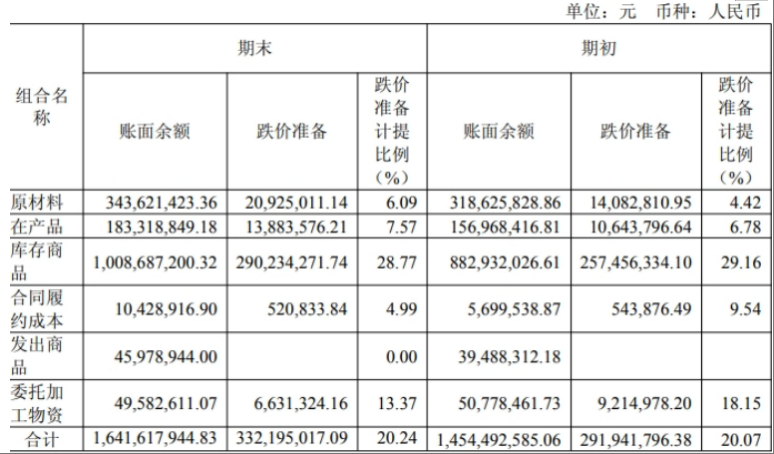
Core Viewpoint - The financial report of Haoyuan Pharmaceutical reveals a contradiction of "increased revenue and profit but decreased cash flow," indicating a shortfall in the quality of profitability amid scale expansion, raising alarms about the company's operational health [1] Financial Performance - In the first half of 2025, Haoyuan Pharmaceutical reported operating revenue of 1.311 billion yuan, a year-on-year increase of 24.20%, and a net profit attributable to shareholders of 155 million yuan, a significant year-on-year surge of 115.55% [1] - However, the operating cash flow turned negative, reaching -10.43 million yuan, a sharp decline of 113% year-on-year [1][2] - The company’s inventory impairment provision stood at 332 million yuan, accounting for 20.24% of the inventory book balance [1][3] Cash Flow and Inventory Issues - The negative cash flow is primarily attributed to high accounts receivable and inventory levels, with accounts receivable reaching 610 million yuan, up 16.89% year-on-year, and over 18.7% of accounts receivable being over one year old [2] - Inventory increased to 1.309 billion yuan, a 12.54% year-on-year rise, with over 80% consisting of raw materials and finished goods [2] - The inventory turnover days extended from 186 days in 2022 to 243 days in the first half of 2025, significantly higher than peers such as WuXi AppTec and Kanglong Chemical [2] Business Structure and Profitability - The company’s business is divided into front-end life science reagents and back-end raw materials and intermediates, with the front-end segment achieving revenue of 904 million yuan, a 29.2% increase, and a gross margin of 63.0%, contributing 69.4% of total revenue [5] - The back-end segment generated revenue of 399 million yuan, a 13.6% increase, but its gross margin fell to 17.8%, down from 20.05% in 2024, indicating competitive weaknesses [5] Sales and Marketing Expenses - Sales expenses surged to 130 million yuan, a 33.56% increase year-on-year, with the sales expense ratio rising from 9.25% in 2024 to 9.9% [7] Strategic Challenges - The company faces strategic challenges due to a lack of clear direction following a board reshuffle, with the new leadership failing to establish a coherent strategy for either maintaining traditional markets or advancing into high-end sectors [11][12] - The ongoing price competition from centralized procurement and the inability to secure significant orders due to underutilized capacity further complicate the company's operational landscape [11][12] R&D and Innovation - Haoyuan Pharmaceutical's R&D expenditure was 117 million yuan in the first half of 2025, a 4.23% increase, but the R&D expense ratio decreased from 9.0% in 2024 to 8.9%, falling below industry peers [12] - The company is at risk of being outpaced by technological advancements in the industry, particularly in areas like recombinant technology and synthetic biology, which could threaten its existing business model [13]

皓元医药十年狂飙:从1 亿元到22 亿元的增长神话,为何难掩现金流“失血” 与转型迷局?
Hua Xia Shi Bao· 2025-09-03 12:16
Core Viewpoint - The financial report of Haoyuan Pharmaceutical reveals a contradiction of "increased revenue and profit without increased cash flow," indicating concerns about the company's operational health amid its expansion efforts [2][4]. Financial Performance - In the first half of 2025, Haoyuan Pharmaceutical reported revenue of 1.311 billion yuan, a year-on-year increase of 24.20%, and a net profit attributable to shareholders of 155 million yuan, a significant year-on-year surge of 115.55% [2][4]. - However, the operating cash flow turned negative, reaching -10.43 million yuan, a sharp decline of 113% year-on-year [2][4]. - Inventory impairment provisions stood at 332 million yuan, accounting for 20.24% of the inventory balance, indicating potential issues with unsold products [5][7]. Cash Flow and Inventory Concerns - The company's accounts receivable exceeded 610 million yuan, up 16.89% year-on-year, with over 18.7% of receivables aged over one year [4][7]. - Inventory levels rose to 1.309 billion yuan, a 12.54% increase year-on-year, with over 80% consisting of raw materials and finished goods [4][7]. - The inventory turnover days increased from 186 days in 2022 to 243 days in the first half of 2025, significantly higher than competitors [4][7]. Business Structure and Profitability Risks - The business is divided into high-margin life science reagents and lower-margin raw materials and intermediates, with the former generating 904 million yuan in revenue (up 29.2%) and a gross margin of 63.0%, while the latter generated 399 million yuan (up 13.6%) with a gross margin of 17.8% [7][9]. - The disparity in profitability between the two segments raises concerns about the overall business health [7][9]. Increased Sales Expenses - Sales expenses surged to 130 million yuan, a 33.56% increase year-on-year, with the sales expense ratio rising from 9.25% in 2024 to 9.9% in 2025 [9][10]. Strategic Challenges and Market Position - The company faces challenges in transitioning from traditional markets to high-end sectors, with a lack of clear strategic direction following a board restructuring [11][14]. - The competitive landscape is tightening due to price wars initiated by centralized procurement, impacting the company's ability to secure significant orders [13][15]. - R&D investment remains below industry standards, with a research expense ratio declining from 9.5% in 2022 to 8.9% in the first half of 2025, which is lower than peers [14][15]. Industry Context - The challenges faced by Haoyuan Pharmaceutical reflect broader issues within the Chinese CDMO industry, as companies struggle to transition from "scale dividends" to "innovation dividends" amid evolving market dynamics [15].

资金“抢跑”迹象明显私募憧憬“趋势行情”
Zhong Guo Zheng Quan Bao· 2025-07-08 20:50
Group 1 - The A-share market is experiencing a significant upward trend, with the Shanghai Composite Index reaching a new high for the year, indicating a potential "trend market" as judged by many private equity institutions [1][2] - The number of private equity products registered in June reached 1,100, marking a monthly record for the year, and the total number of registered products in the first half of the year increased by over 100% compared to the second half of last year [1][2] - The average position of large-cap stock private equity funds is at 79.96%, with 66.06% of institutions holding over 80% of their positions, reflecting a strong bullish sentiment among major institutions [2] Group 2 - The current environment of high resident savings and declining interest rates is expected to attract more incremental funds into the A-share market, as historical trends suggest that capital tends to flow into the stock market when the real estate market underperforms [2][3] - The long-term potential for the A-share market is supported by the continuous increase in household savings, which has averaged over 15 trillion yuan annually since 2022, and the shift in asset allocation due to lower interest rates [2][3] - Factors such as the strengthening of China's soft and hard power, the global recognition of Chinese products, and the gradual stabilization of the real estate market are contributing to a positive long-term outlook for the A-share market [3] Group 3 - Investment strategies among private equity firms are focusing on a balanced approach, combining high-growth technology sectors with high-dividend assets to provide safety and stable returns [5][6] - The market is expected to see a rotation in sectors and styles, with a focus on technology growth areas supported by policy and fundamental improvements, as well as high-dividend assets in both A-share and Hong Kong markets [6] - The overall valuation of Chinese assets remains attractive compared to Western markets, suggesting that quality equity assets are likely to attract more capital inflows in the coming months [6]
外企、外商、外资回流中国 市场磁吸力挡不住
证券时报· 2025-07-02 00:44
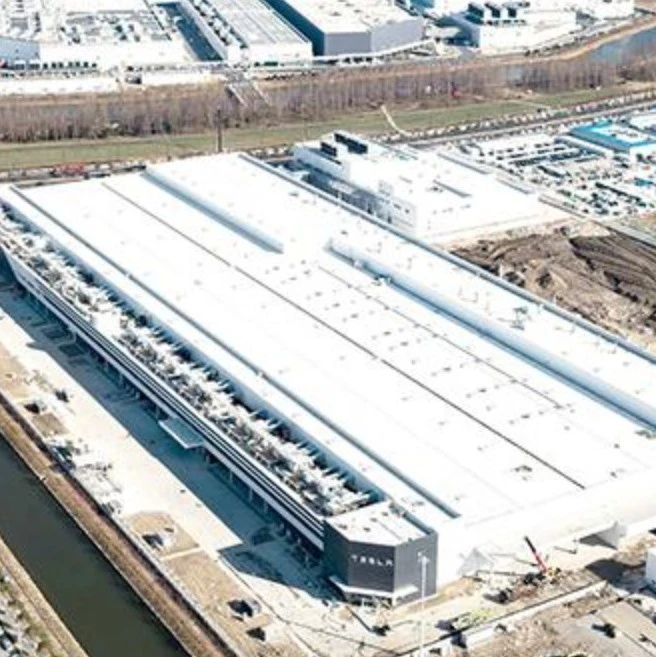
Group 1 - The article highlights the "magnetic effect" of the Chinese market, attracting foreign personnel and investment, with Shenzhen's Huaqiangbei receiving over 7,000 foreign visitors daily [1][15][17] - Foreign investment in China is on the rise, with 24,000 new foreign-invested enterprises established from January to May, a year-on-year increase of 10.4% [12][19] - The manufacturing sector is seeing significant foreign interest, exemplified by Henkel's new factory in Jiangsu and Tesla's Shanghai energy factory, which has a planned annual production capacity of 10,000 Megapacks [4][9][11] Group 2 - The financial sector is also experiencing a surge in foreign investment, with institutions like Temasek and AIA establishing operations in China, benefiting from the country's financial openness [11][22] - The article notes that foreign companies are increasingly recognizing China's potential for consumption upgrades and its complete supply chain system, which enhances its competitive advantage [12][14] - Visa facilitation policies have improved the ease of doing business for foreign nationals, contributing to a 33.4% year-on-year increase in foreign visitors [19][20] Group 3 - The article discusses the strategic importance of Hong Kong as a gateway for foreign investment into China, with a notable increase in foreign capital inflow despite geopolitical tensions [22][23] - Recent data indicates that foreign investors are increasingly interested in long-term strategic investments in China, moving beyond mere financial investments [25][26] - The article emphasizes that China's ongoing economic transformation is expected to create numerous new development opportunities, further attracting global capital [26]


中部大省,拼命“抢人”
Mei Ri Jing Ji Xin Wen· 2025-05-30 14:32
Group 1 - The core viewpoint of the articles is that Hunan Province is implementing a strategic initiative to attract and retain young talent, particularly university graduates, to foster innovation and entrepreneurship, which is seen as crucial for long-term development [2][3][6] - Hunan's "Double Backpack" action plan aims to provide comprehensive support for young entrepreneurs, from initial setup to market entry, reflecting a systematic approach to talent retention [2][16] - The "Intelligent Gathering of Xiang River Talent" series of actions includes job fairs and recruitment events targeting both local and national talent, with over 30,000 job openings available [8][10] Group 2 - The competition for talent has intensified across various cities in China, with a shift from quantity to quality in talent acquisition strategies, focusing on meeting industry needs and fostering innovation [3][5] - Hunan's initiatives are part of a broader trend where cities are recognizing the importance of creating a conducive environment for talent retention, including affordable living and high-quality life [12][13] - The tourism sector in Hunan is also being leveraged to attract talent, with significant visitor numbers and revenue contributing to the local economy, thus creating more job opportunities [10][14] Group 3 - Hunan's approach includes a multi-faceted strategy that encompasses policy support, economic development, and quality of life improvements to create an attractive environment for young professionals [12][16] - The province's focus on entrepreneurship is underscored by the low startup rates among graduates in China compared to global standards, with Hunan aiming to bridge this gap through innovative policies [6][15] - The "Xiang Business Return" initiative aims to attract local entrepreneurs back to Hunan, further enhancing the province's economic growth and talent pool [10][11]