
科技工业复合体

Search documents
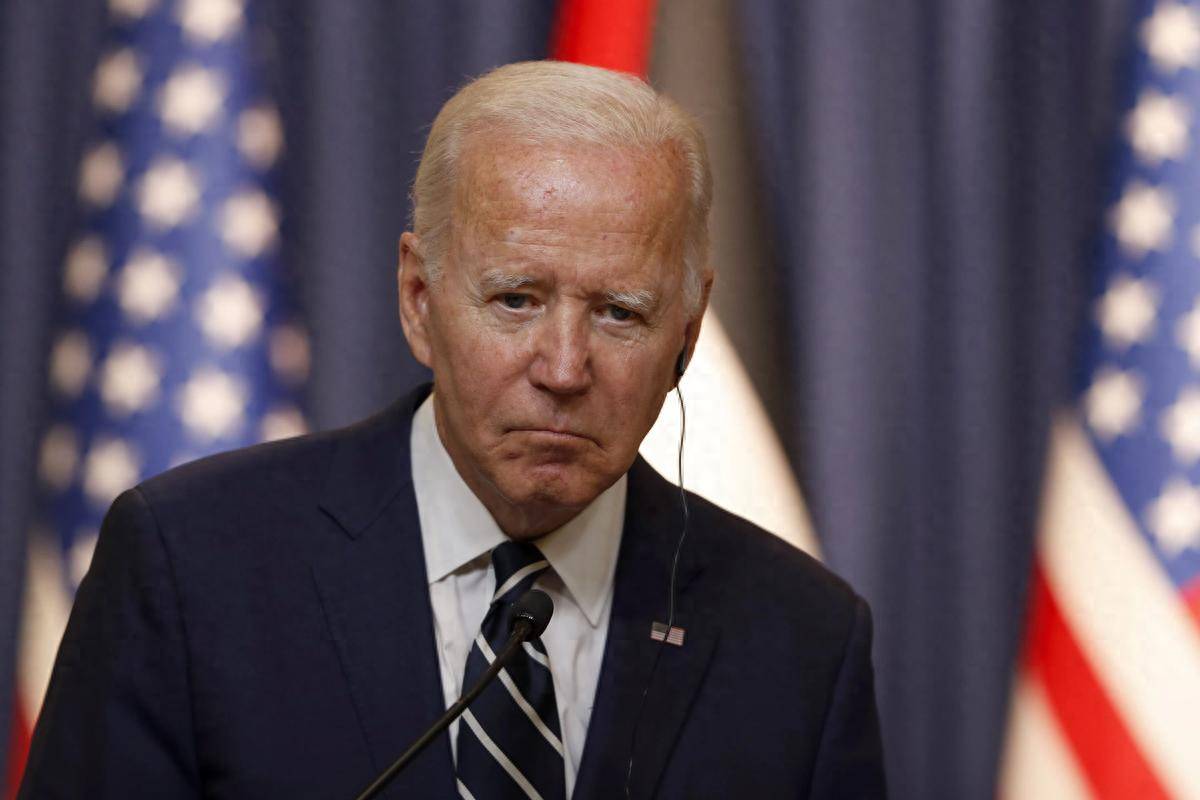
真被拜登说中了?让特朗普干完这4年,美国或成为世界老二?
Sou Hu Cai Jing· 2026-01-28 05:28
Group 1 - The article discusses the shifting global dynamics with the rise of China and the potential decline of the U.S. as a global leader under Trump's policies [1][7] - Biden's warnings about the risks of the technology industrial complex and the need for the U.S. to maintain its technological edge are highlighted, emphasizing the importance of continuous investment in technology [3][5] - The U.S. trade deficit remains significant despite tariff increases, with a notable drop in economic growth forecasts from 2.8% to 1.7% by the Federal Reserve [5][7] Group 2 - In 2025, China's trade surplus exceeded $1 trillion, with advanced technology products making up over 90% of this surplus, indicating China's strong position in the global market [5] - The U.S. saw a rise in unemployment to 4.4% and a loss of 70,000 manufacturing jobs, attributed to increased tariffs and economic policies under Trump [5][9] - The article notes that while the U.S. maintains significant resources, including the dollar's status and military strength, the erosion of alliances and reduced investment in research could jeopardize its global standing [9]

马斯克挥一挥衣袖,带走了什么,留下了什么?
Hu Xiu· 2025-06-01 00:33
Group 1 - The article discusses the evolving relationship between technology and government, highlighting the emergence of a "Tech-Industrial Complex" that prioritizes national interests over short-term profits [3][24] - The "Tech-Industrial Complex" aims to enhance national strength through technological innovation and industrial upgrades, contrasting with the traditional "Military-Industrial Complex" that relies on military intervention [4][5] - The article emphasizes the role of key figures like Elon Musk in shaping this new paradigm, advocating for a collaborative approach between the private sector and government to boost strategic industries [9][10][24] Group 2 - The article outlines the implications of "Technological Accelerationism," which seeks to improve U.S. competitiveness through private-public partnerships and innovation [9][26] - It highlights the potential for a global normative competition arising from differing approaches to technology regulation between the U.S. and China, with the U.S. favoring market openness and China emphasizing state control [26][27] - The article warns that the rise of "Technological Accelerationism" could lead to a new phase in U.S.-China relations, where both countries compete not only in technology but also in governance models that support technological advancement [28][29] Group 3 - The article discusses the potential impact of Musk's conservative international expansion on China, suggesting that it could weaken Western pressure on China while also posing risks from right-wing movements that may harbor anti-China sentiments [29][30] - It emphasizes the need for China to navigate this landscape carefully, leveraging opportunities while being cautious of potential threats from rising conservative forces in the West [30][31] - The article concludes that China should enhance communication with right-wing populist parties globally to stabilize bilateral relations and find new modes of interaction amid Western divisions [30][31]