科技成果转化‘补改投’

Search documents
国务院:不得强制推广下载使用政务应用程序|营商环境周报
2 1 Shi Ji Jing Ji Bao Dao· 2026-02-02 09:02
时政要闻 国务院:规范政务应用程序管理,不得强制下载使用政务APP 近日,国务院办公厅印发《政务移动互联网应用程序规范化管理办法》(以下简称《办法》),统筹为 基层减负和赋能,防治"指尖上的形式主义"和政务服务中的"面子工程",规范政务移动互联网应用程序 (以下简称"政务应用程序")管理。 《办法》明确,政务应用程序是指各级行政机关、群团组织、事业单位开发建设,或依托各类互联网平 台搭建,运行在移动智能终端上,为内部工作人员办公、管理、学习提供支撑服务的应用软件,包括移 动客户端(App)、小程序、快应用等。 商务部:以服务业为重点,有序扩大电信、医疗、教育等领域自主开放 1月26日,商务部外国投资管理司负责人王亚表示,2026年是"十五五"的开局之年,商务部将坚定不移 扩大高水平对外开放,着力塑造吸引外资新优势。深化外商投资促进体制机制改革,擦亮"投资中国"品 牌,全面深入实施自贸试验区提升战略,为"十五五"良好开局贡献力量。具体来看,商务部将重点做好 四方面工作: 一是以服务业为重点扩大市场准入和开放领域。有序扩大电信、医疗、教育等领域自主开放,推动试点 项目尽早落地,支持服务业外资企业延伸价值链,实现专 ...
广州试点“补改投”改革,两大模式加速科技成果转化落地
2 1 Shi Ji Jing Ji Bao Dao· 2026-01-15 15:03
Core Viewpoint - Guangzhou's government has introduced a new pilot program for the transformation of scientific and technological achievements, aiming to optimize financial investment methods and promote the conversion of high-quality technology achievements into practical applications through innovative funding models [1][2]. Group 1: New Funding Models - The pilot program establishes two new funding models: "first investment, then equity" and "supplementary investment for award-winning projects" [1][3]. - The "first investment, then equity" model involves initial financial support from the government and partners to help startups with technology validation and product development, converting the initial investment into equity once certain conditions are met [3]. - The "supplementary investment" model transforms 100 million yuan of award subsidies from the Guangzhou Innovation and Entrepreneurship Competition into equity investments for qualifying startups, facilitating their first financing round [4]. Group 2: Mechanism and Implementation - The program aims to address the challenges in the initial stages of technology transformation, creating a "Guangzhou model" that emphasizes the government's role as a partner rather than just a funder [3][5]. - A comprehensive management process is established, detailing responsibilities for various stakeholders, including the municipal technology bureau, finance bureau, and project management institutions [4]. - The program includes a "tolerance for failure" mechanism, allowing for losses in individual projects without penalizing overall performance, thus encouraging investment in early-stage technology ventures [6]. Group 3: Future Plans and Impact - Over the next three years, the municipal technology bureau plans to allocate at least 15% of its innovation development funds annually to support the "supplementary investment" initiatives [6]. - The program is expected to attract more quality innovation resources and capital to Guangzhou, enhancing the local entrepreneurial ecosystem [8]. - The Hong Kong University of Science and Technology (Guangzhou) is a pilot unit for the "first investment, then equity" model, with plans to support entrepreneurial projects in various strategic emerging industries [8][9].

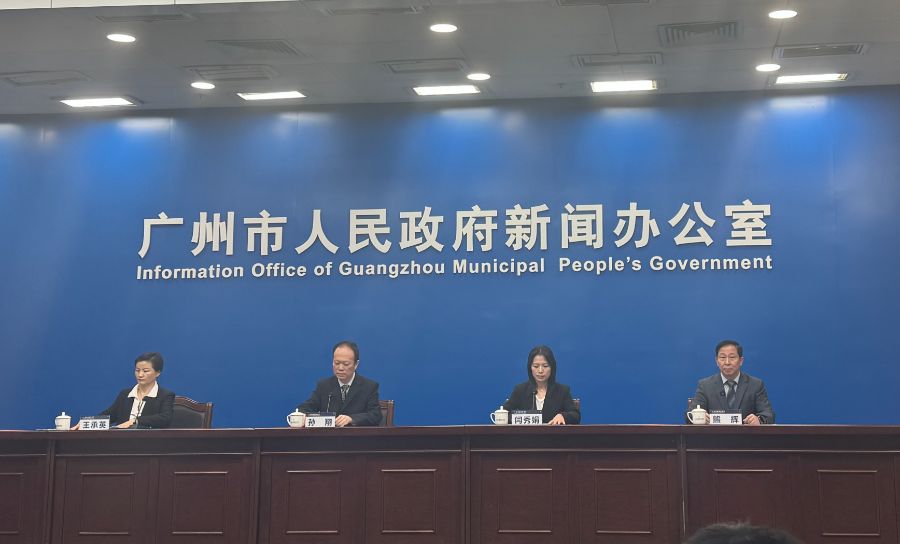
广州宣布接受单项目100%亏损,把给科创企业的补贴变为投资
第一财经· 2026-01-15 11:45
Core Viewpoint - Guangzhou is fostering a more tolerant environment for failure in technology innovation, aiming to create a "Guangzhou model" for the transformation of scientific and technological achievements through the implementation of the "补改投" pilot program [2][4]. Group 1: Policy Framework - The "补改投" pilot program aims to address the challenges in the initial stages of technology achievement transformation, focusing on the most difficult and high-risk "first kilometer" [2]. - The program establishes a long-term governance system characterized by "incentives + tolerance for losses," allowing for a 100% loss on individual projects without accountability for responsible parties, as long as overall losses remain within 80% [2][6]. - The program encourages a principle of "tolerance for failure," ensuring that financial losses from the "补改投" funds do not serve as a basis for evaluating the performance of relevant departments and personnel [2][6]. Group 2: Investment Strategy - The "补改投" program will channel funds into sectors such as artificial intelligence, biomedicine, and low-altitude economy, transitioning from merely providing financial support to enabling companies to become self-sustaining [3]. - Investment methods include direct financial investment, government investment funds, and a "first invest, then take equity" approach, with the program's funds generally not exceeding 30% equity stake in projects [3][4]. - The program aims to leverage public funds to attract social capital, with a target of achieving a leverage effect of over three times the initial investment [3]. Group 3: Implementation and Impact - The Guangzhou Science and Technology Bureau plans to allocate at least 15% of the municipal science and technology innovation development fund annually for "补改投" initiatives over the next three years [4]. - The program is expected to stimulate innovation and attract high-quality resources and capital to Guangzhou, with a goal of creating a 20 billion yuan technology innovation fund to support early-stage technology companies [4][5]. - The "补改投" reform will convert 100 million yuan of previous competition subsidies into equity investments, facilitating initial financing for startups and enhancing the overall entrepreneurial environment [5].