
新型储能

Search documents
健全容量电价,容量租赁全省内不受区域限制!河南发布新型储能发展若干措施
中关村储能产业技术联盟· 2026-03-25 10:26
Core Viewpoint - The article outlines measures to promote high-quality development of new energy storage in Henan Province, aiming for a total installed capacity of 23GW by 2030, with 8GW on the user side, driving direct investment of 40 billion yuan [20][22]. Group 1: Development Goals and Project Construction - By 2030, the goal is to achieve a scale of 23GW in new energy storage, with user-side storage reaching 8GW, facilitating direct investment of 40 billion yuan to support green energy transformation [20][22]. - Independent energy storage projects must commence within 6 months of receiving system access approval and be operational within 15 months [3][22]. - Projects that fail to start on time without valid reasons will need to reapply for relevant procedures, and those with multiple overdue projects will face credit penalties [4][22]. Group 2: Support for Independent Storage and Capacity Leasing - The province will support the transition of operational renewable energy storage projects to independent storage stations to enhance equipment utilization [6][22]. - Independent storage capacity leasing will be encouraged, allowing for efficient resource allocation across the province without regional restrictions [5][24]. Group 3: Price Incentives and Market Mechanisms - Electricity prices for independent storage stations will be settled according to the province's spot market prices, with exemptions from transmission and government fees for certain energy deliveries [7][24]. - The article emphasizes the need to improve market trading mechanisms and diversify revenue models for new energy storage, including participation in auxiliary service markets [7][26]. Group 4: Technological Standards and Innovation - The establishment of local standards for new energy storage projects will be prioritized, focusing on design, integration, performance testing, and safety management [25][29]. - The article highlights the importance of enhancing research and development capabilities and fostering collaboration between industry, academia, and government to drive innovation in energy storage technologies [11][29]. Group 5: Resource Allocation and Support Mechanisms - The article discusses optimizing resource allocation and compliance to support the development of the energy storage industry, including improving financing channels and reducing initial costs for all-vanadium flow battery projects [12][30]. - It also mentions the establishment of a multi-department consultation system to address significant issues in energy storage development and ensure high-quality industry growth [30].


媒体报道丨新型储能产业迎来关键政策支撑
国家能源局· 2026-03-20 09:22
Core Viewpoint - The recent issuance of the "Notice on Improving the Capacity Price Mechanism for Power Generation Side" establishes a new independent capacity price mechanism for energy storage at the national level, providing clear revenue rules and a market-oriented development path for the future of new energy storage [2][3]. Group 1: Policy Impact - The policy fills the institutional gap for national-level capacity pricing for new energy storage, activating investment vitality in the industry through stable revenue expectations [2]. - The new mechanism is crucial for the development of the new energy storage industry, ensuring its core role in peak supply and renewable energy consumption within the power system [2]. Group 2: Industry Growth - Since the introduction of the "dual carbon" goals, China's new energy storage has seen exponential growth, with installed capacity expected to reach 136 million kilowatts/351 million kilowatt-hours by the end of 2025, a more than 40-fold increase compared to the end of the 13th Five-Year Plan [2]. - The average storage duration is projected to increase to 2.58 hours by 2025, with an expected utilization of 1,195 hours for new energy storage, an increase of nearly 300 hours from 2024 [2]. Group 3: Market Dynamics - The cancellation of the mandatory storage policy for incremental renewable energy has created challenges for independent storage projects, necessitating clear capacity revenue policies to provide stable investment expectations [3]. - The new capacity pricing rules aim to match the capacity value and peak contribution of new energy storage with revenue levels, addressing systemic barriers to industry development [3][4]. Group 4: Future Outlook - The implementation of the new policy is seen as a new starting point for market-oriented development, with the industry expected to accelerate upgrades in long-duration, high-efficiency, and intelligent energy storage [4]. - New energy storage is anticipated to become a core force and foundational guarantee for China's energy transition and the construction of a new power system, supported by the capacity price mechanism and market incentives [4].
上海集中发布十个中试平台十大应用场景,具体有哪些
第一财经· 2026-03-15 03:29
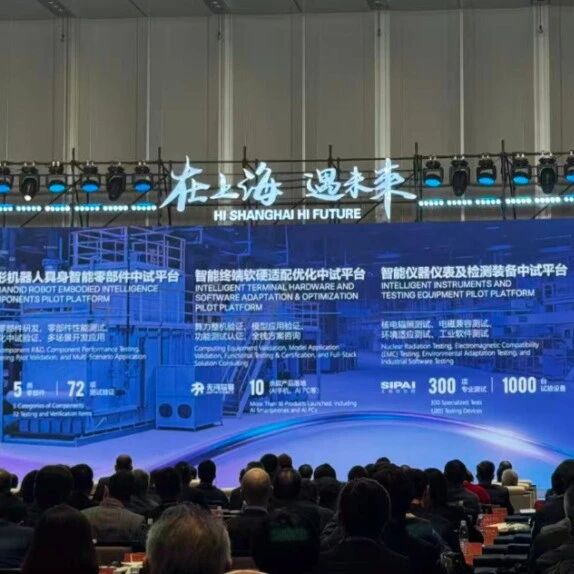
Core Viewpoint - Shanghai is accelerating the construction of a modern industrial system by promoting 31 new quality elements, including public service platforms, pilot testing platforms, and benchmark application scenarios [3][4]. Group 1: Pilot Testing Platforms - Shanghai has established 50 specialized pilot testing platforms to help enterprises overcome the "valley of death" in innovation results transformation, with 10 highlighted at the conference [3][4]. - In the complete machine and system sector, a civil aircraft pilot testing platform offers standard consulting and equipment certification services to address verification challenges in civil aircraft manufacturing [4]. - A new energy storage pilot testing platform supports 10MW grid-connected capacity, providing simulation testing, battery inspection, and product export certification [4]. - The LNG low-temperature engineering pilot testing platform features 15 pilot lines to support low-temperature system and equipment verification [4]. - The world's first humanoid robot component pilot testing platform focuses on stabilizing the performance of robot components, offering 72 testing validations [4]. - An intelligent terminal adaptation pilot testing platform has accelerated the launch of over 10 AI products by providing comprehensive testing and certification capabilities [4]. - The instrument and meter pilot testing platform is equipped with 1,000 testing devices, enabling 300 specialized tests to reduce R&D verification costs for clients [4]. - A high-end machine tool equipment pilot testing platform shortens the time from "new product trial production" to "stable mass production" by 40% [4]. - Three major material pilot testing platforms have been established, including a special functional materials pilot base with over 300 instruments to enhance process stability [4]. Group 2: Benchmark Application Scenarios - Shanghai has introduced 10 benchmark application scenarios, including the first virtual-physical integrated intelligent training ground for humanoid robots, which provides data collection and technical verification services [5]. - A high-level autonomous driving leading area has been established, covering one-third of the city, collecting high-quality data to support the iteration of self-driving models [5]. - The city has created the "Thousand Sails Constellation" for satellite internet commercialization, with 108 satellites currently in orbit and plans to reach 1,000 in two years, providing various services for satellite terminal and operation companies [5].
容量电价新规与独立新型储能收益结构的多元化演进
大公国际资信· 2026-03-13 03:19
Investment Rating - The report indicates a positive investment outlook for the independent new energy storage sector, highlighting its transition to a strategic emerging industry supported by national policies [2][24]. Core Insights - The introduction of the 114 document marks a significant shift in the revenue structure for independent new energy storage, transitioning from a "business rental" model to a "value revenue" model, and from "price difference gambling" to "strategic competition" in energy revenue [1][11][24]. - The independent new energy storage sector has experienced exponential growth, with installed capacity increasing over 40 times since the start of the 14th Five-Year Plan, and independent storage now accounting for over half of the total installed capacity [2][3][4]. Summary by Sections 1. Current Development of New Energy Storage - The new energy storage industry in China has seen a leap in development, with installed capacity reaching 136 million kilowatts and 351 million kilowatt-hours by the end of 2025, marking a significant transition from demonstration to large-scale application [3][4]. - The market identity of independent storage has shifted from being a cost item on the generation side to a system resource on the grid side, with a notable increase in the share of long-duration storage projects [3][4]. 2. Background of Capacity Price Regulation - The 114 document integrates independent new energy storage into the national capacity price system, providing a framework for revenue generation that includes capacity leasing, energy market revenue, and auxiliary service market revenue [2][11]. - The report emphasizes the need for a mature commercial model for new energy storage, as the industry faces challenges in market transformation and differentiation [7][8]. 3. Reconstruction of Independent New Energy Storage Revenue Structure - The capacity revenue is transitioning from "business rental" to "value revenue," with a new pricing mechanism based on local coal power capacity prices [11][13]. - Energy revenue is evolving from "price difference gambling" to "strategic competition," allowing storage stations to adjust their charging and discharging strategies based on real-time market signals [15][16]. - Auxiliary service revenue is shifting from "platter subsidies" to "competitive bidding," enhancing the role of independent storage in providing essential grid services [18][19]. 4. Conclusion and Outlook - The 114 document signifies the formal inclusion of independent new energy storage in the national capacity price system, establishing a foundation for a multi-faceted revenue structure [24][25]. - The report anticipates that as the national unified electricity market is established, independent storage will play an increasingly vital role in capacity, energy, and auxiliary service markets, becoming a cornerstone of the new energy system [24][25].
聚焦两会 | 海博思创根植新型储能 深化拓展“人工智能+”
海博思创· 2026-03-12 10:19
Core Viewpoint - The article emphasizes the strategic role of Haibo Sichuang in advancing new energy storage and green electricity applications, aligning with national goals for carbon neutrality and intelligent economic development [2][11]. Group 1: New Energy Storage Development - Haibo Sichuang is actively promoting the "Storage + X" strategy, focusing on independent storage, renewable energy integration, and various high-energy consumption industries, with over 400 storage projects and more than 50 GWh operational [3]. - The company is deeply involved in the construction of smart grids and the development of new energy storage to enhance the broader application of green electricity [3]. Group 2: Integration of Artificial Intelligence - The application of artificial intelligence in new energy storage is advancing to a "field expert" level, enabling the modeling of physical processes and optimizing operational strategies through simulations [5]. - The storage systems are evolving to possess long-term predictive capabilities and autonomous decision-making, transitioning from data analysis reliance to intelligent evolution based on "world models" [5]. Group 3: Participation in New Infrastructure Projects - Haibo Sichuang is integrating into national development initiatives, particularly in the area of computing power collaboration, and has made significant progress in relevant projects [7]. - The company aims to position "computing power collaboration" as a key focus area to support the establishment of an efficient and stable green computing power system [7]. Group 4: Commitment to Green Low-Carbon Development - The company is embedding green low-carbon principles throughout its research, production, and operational value chain, with its Beijing smart manufacturing base recognized as a "national green factory" [9]. - The ongoing construction of the intelligent green storage factory project will incorporate "lighthouse factory + green factory" designs, fully integrating green low-carbon concepts [9]. Group 5: Contribution to National Carbon Neutrality Goals - Haibo Sichuang is committed to implementing national strategies through continuous technological and model innovations, providing critical support for the new power system and contributing to the achievement of national carbon neutrality goals [11].

2026年两会中的“新能源”
高工锂电· 2026-03-10 11:16
Core Viewpoint - The article emphasizes the importance of lithium batteries in the global energy transition and their role in achieving carbon neutrality goals, while highlighting the challenges faced by China's lithium battery industry, including standardization issues and technological bottlenecks [4][5]. Lithium Battery Sector - The lithium battery industry in China has developed a complete supply chain from mining to recycling, but the key to further development lies in independent innovation [8]. - CATL has invested over 80 billion yuan in R&D over the past 20 years, employing over 21,000 researchers and holding more than 50,000 patents, enabling its products to be exported globally [10]. - Liu Jingyu emphasizes the potential applications of new energy in various fields beyond automobiles, such as shipping and low-altitude flight, which can enhance energy security [13]. - Hu Chengzhong identifies four major bottlenecks in the solid-state battery industry, including a lack of standardization and high costs, and proposes measures to address these issues [16][17]. - Zhang Tianren suggests establishing a digital identity system for batteries to comply with international regulations and improve industry standards [19]. New Energy Storage and Energy Sector - The new energy storage industry in China has a significant global market share, but it faces challenges that hinder high-quality development [25]. - Yao Jinjian proposes five strategies to enhance the new energy storage sector, focusing on technological innovation and market mechanisms [26]. - Li Baoxuan calls for a comprehensive recycling system for power batteries to ensure sustainable development [22]. Low Altitude Economy - The low-altitude economy in China is still in its infancy, requiring improved planning and regulatory frameworks to foster high-quality development [64]. - Li Liangbin suggests developing high-power batteries for flying vehicles and enhancing collaboration between industry and academia to address technical challenges [68]. - He Xiaopeng advocates for delegating low-altitude airspace management to local governments to stimulate the development of the flying car industry [72].

两会期间九大增量信息——政策周观察第70期
一瑜中的· 2026-03-09 14:26
Core Viewpoint - The article emphasizes the Chinese government's focus on high-quality economic development and the strategic direction for emerging industries during the recent National People's Congress sessions [2][3][10]. Economic Development - The government stresses the importance of high-quality development over mere GDP growth, aiming for a new quality of productive forces [2][3]. - The expected economic growth target for the year is set at 4.5%-5%, with a focus on achieving better results in practice [10][13]. Emerging Industries - The government plans to focus on six major emerging pillar industries, including integrated circuits, aerospace, biomedicine, low-altitude economy, new energy storage, and intelligent robotics [2][3][19]. - Six future industries are identified, such as quantum technology, biomanufacturing, green hydrogen energy, nuclear fusion energy, brain-computer interfaces, and 6G technology [2][3][19]. Major Projects and Infrastructure - The "14th Five-Year Plan" includes 109 major engineering projects, an increase from 102 in the previous plan, focusing on new industries and modern infrastructure [3][19]. - The projects are categorized into areas such as leading new productive forces, modern infrastructure, urban-rural integration, and green low-carbon transformation [3][19]. Policy Support and Employment - The government will implement more supportive measures for the service industry and increase investment in public services [4][5]. - Employment policies will be strengthened, including expanding policy positions and providing support for private enterprises through tax incentives and training subsidies [5][10]. Carbon Emission and Environmental Goals - Carbon reduction efforts will be integrated into local assessments, with a focus on achieving peak carbon emissions during the "14th Five-Year Plan" period [3][20]. - The government aims to develop a comprehensive evaluation and assessment method for carbon peak and neutrality, ensuring accountability for carbon emission targets [3][20]. Capital Market Reforms - Reforms for the ChiNext board are set to be implemented, enhancing support for emerging and future industries [4][16]. - The government aims to improve the resilience and stability of the capital market while promoting high-quality development [16][18].

2026年政府工作报告学习体会
2026-03-09 05:18
Summary of Key Points from Conference Call Records Industry or Company Involved - The conference call records primarily discuss the macroeconomic outlook and policy directions for China, focusing on the 2026 government work report and the "14th Five-Year Plan" (14th FYP) and its implications for various industries. Core Points and Arguments 1. **GDP Growth Target for 2026**: The GDP growth target is set at 4.5% to 5%, aligning with the long-term goal of doubling per capita GDP by 2035, which requires a minimum annual growth rate of 4.73% [1][6] 2. **Fiscal Policy**: The deficit rate is proposed at 4%, with a deficit scale of 5.89 trillion yuan, marking a significant increase in public budget expenditure, which is expected to exceed 30 trillion yuan for the first time [1][12] 3. **Monetary Policy**: The monetary policy is expected to remain moderately loose, with expectations for both reserve requirement ratio (RRR) cuts and interest rate reductions, although the pace will be cautious due to constraints from bank net interest margins [1][16] 4. **PPI and Corporate Profits**: The Producer Price Index (PPI) is anticipated to turn positive in 2026, particularly in the second and third quarters, which is expected to support corporate profit improvements [1][8] 5. **Investment Focus**: The "9+6" framework emphasizes strategic industries such as integrated circuits, low-altitude economy, and future energy sources like hydrogen and nuclear fusion [1][10] 6. **Digital Economy Goals**: The core value added of the digital economy is targeted to increase from approximately 10% to 12.5% by 2025, indicating a strong commitment to advancing digital transformation [1][5] 7. **Environmental Goals**: The plan includes a commitment to reduce carbon emissions per unit of GDP by 17% during the 14th FYP period, aligning with China's carbon peak and neutrality goals [1][5] 8. **Real Estate Policy**: The government emphasizes stabilizing the real estate market through targeted measures, including inventory reduction and supply optimization [1][10][11] 9. **Capital Market Dynamics**: The capital market is shifting towards an investor-centric model, with dividends surpassing IPOs and refinancing, indicating a significant change in market dynamics [1][10] 10. **Long-term Trends in Asset Allocation**: Key trends include a gradual shift towards low-interest rates, a reallocation of household assets from physical to financial assets, and a focus on technological innovation and industrial upgrades [1][17] Other Important but Possibly Overlooked Content - The government work report serves as a critical anchor for investment decisions amid rising external uncertainties, providing clarity on policy direction and economic assessments for the year [1][3] - The emphasis on innovation and R&D investment, with a target of 7% annual growth in R&D spending, reflects a commitment to high-quality development and industrial upgrades [1][4] - The report highlights the importance of external trade dynamics, with expectations for improved trade and investment environments in 2026, despite geopolitical tensions [1][13][14]
国泰海通 · 晨报260309|宏观、策略、社服、机械
国泰海通证券研究· 2026-03-08 14:30
Macro - The government work report for 2026 emphasizes a pragmatic approach, focusing on quality and efficiency in economic growth, with a target growth rate of 4.5-5% [4][5] - The inflation target is maintained at around 2%, with a fiscal deficit rate set at approximately 4%, indicating a nominal GDP growth rate of about 5.04% [5][7] - Employment goals include an urban unemployment rate of around 5.5% and the creation of over 12 million new urban jobs, highlighting ongoing employment pressures [6][7] Fiscal and Monetary Policy - Fiscal spending remains robust, with a proposed deficit rate of around 4% and new local special bonds of 4.4 trillion yuan, focusing on boosting consumption and investment in human resources [7] - Monetary policy is expected to be moderately loose, with an emphasis on coordinated and precise measures, prioritizing "expanding domestic demand" [7][8] Domestic Demand and Consumption - The report highlights the importance of domestic demand, with a focus on service consumption and effective investment potential [8][21] - Policies will optimize the implementation of "two new" policies, including 250 billion yuan for consumption upgrades, indicating a shift towards enhancing service consumption [8][24] Industry Development - The report stresses the construction of a modern industrial system, balancing the optimization of traditional industries with the cultivation of emerging industries, particularly in artificial intelligence [8][10] - Real estate and local government debt risks are expected to decrease, with new policies aimed at stimulating reasonable demand in the housing sector [8][10] Emerging Industries - The government work report identifies strategic emerging industries such as integrated circuits, aerospace, and biomedicine as key areas for development [30][32] - The commercial aerospace sector is anticipated to accelerate, with significant technological breakthroughs and increased investment in satellite and rocket manufacturing [32] Service Sector - The report emphasizes the importance of service consumption, with policies aimed at enhancing consumer experiences and leisure time, particularly in cultural tourism and sports [23][24] - The focus on inclusive social services aims to improve employment, income, and healthcare, with a particular emphasis on flexible employment and platform economy regulation [25]

两会经济主题记者会学习:未来五年科技消费产业空间前瞻
Changjiang Securities· 2026-03-08 06:11
Group 1 - The report highlights that the GDP increment for 2026 is expected to exceed 6 trillion yuan, with a growth target of 4.5%-5% [5][6] - The six emerging pillar industries in the technology sector (integrated circuits, aerospace, biomedicine, low-altitude economy, new energy storage, and intelligent robotics) are projected to reach a combined output of over 10 trillion yuan by 2030, doubling from nearly 6 trillion yuan in 2025 [6][15] - The service industry is anticipated to surpass 100 trillion yuan during the "14th Five-Year Plan" period, indicating significant growth potential in the consumption sector [6][15] Group 2 - The report emphasizes the importance of expanding domestic demand, with a focus on service consumption and new consumption models, including a special bond issuance of 250 billion yuan to support the replacement of consumer goods [7][17] - Key areas for service consumption include transportation, housekeeping, online audio-visual services, tourism, automotive aftermarket, and inbound consumption, along with potential growth in performance arts and experiential services [7][17] - The report suggests that the government will encourage consumption in lower-tier markets, promoting innovative consumption experiences and enhancing local cultural brands [7][17] Group 3 - The report recommends a focus on sectors aligned with the "14th Five-Year Plan," particularly in technology industry revolutions, national security, and the expansion of domestic demand [8] - Specific investment themes include the impact of geopolitical tensions on metal resources and energy transitions, as well as opportunities in AI infrastructure and hard technology sectors [8] - The report advises monitoring industries that are expected to benefit from policy support for service consumption and market expansion [8]