
稀土争端

Search documents
美媒突然发现:中方虽已恢复稀土供应,但又狠狠将了美国一军
Sou Hu Cai Jing· 2025-11-20 07:55
Core Viewpoint - The ongoing trade dispute between the US and China has intensified around rare earth elements, with China controlling over 70% of global production and significantly impacting US military and high-tech industries [1][9][20] Group 1: Trade Regulations and Impact - In late 2024, China's Ministry of Commerce introduced new regulations requiring export licenses for certain rare earth elements, leading to global supply chain disruptions [3][9] - By early 2025, China suspended exports of seven critical rare earth elements essential for military applications, directly affecting US defense contractors like Lockheed Martin [3][5] - Despite temporary agreements to ease tensions, China maintained strict controls on military-related rare earth exports, complicating US supply efforts [5][11] Group 2: US Response and Challenges - The US Department of Defense reported that rare earth shortages could delay missile production, with current inventory levels only sufficient for a few months [9][13] - The US government is pushing for domestic rare earth development, but establishing a complete supply chain from mining to processing will take years [9][13] - US companies are facing difficulties in obtaining rare earth licenses, with only half of applications being approved, leading to tight inventories in critical sectors like semiconductors and AI [15][18] Group 3: Strategic Implications - The rare earth conflict reflects broader geopolitical tensions, with the US attempting to pressure China through tariffs while China uses supply chain control as a countermeasure [13][20] - China's export control measures are seen as a strategic move to ensure resource security and market stability, while the US struggles to diversify its supply sources [20] - The long-term outlook suggests that the US must adapt to a multipolar world and rethink its position in global supply chains, particularly in critical resources like rare earths [16][20]

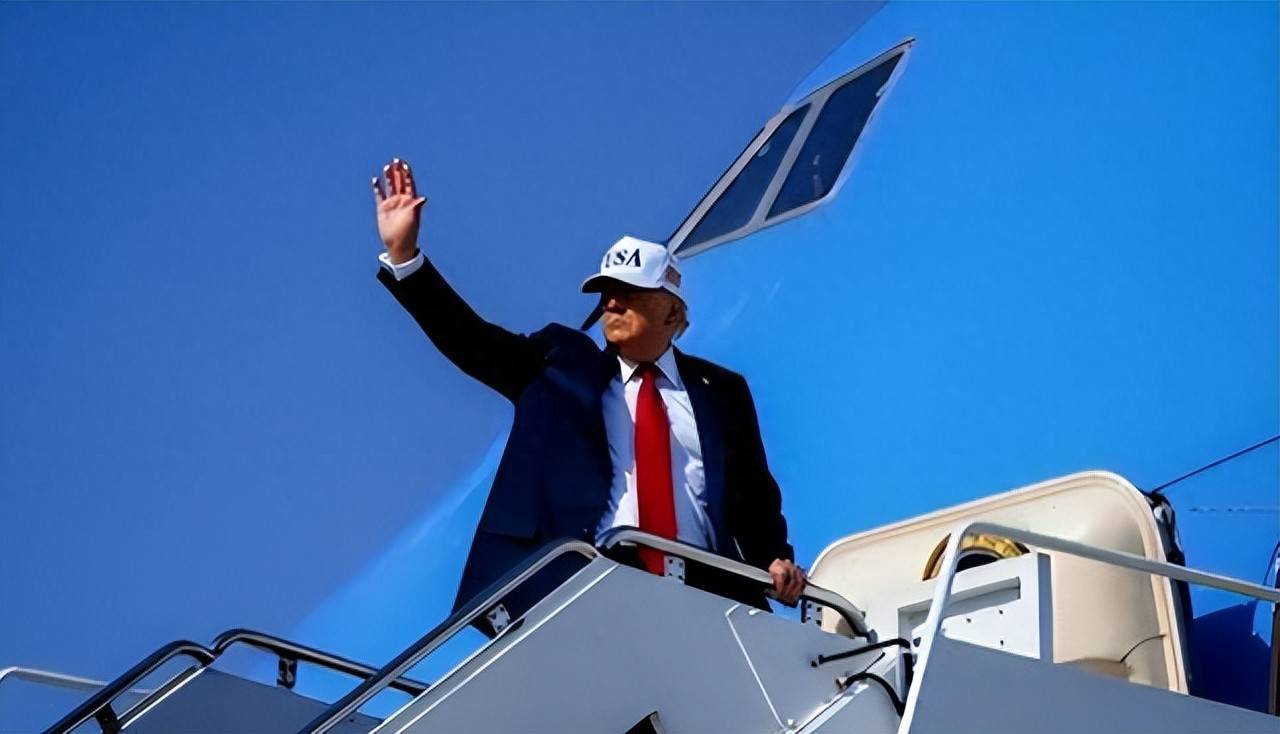
中国外交部:威胁恐吓加征高额关税不是与中方打交道正确之道
Zhong Guo Xin Wen Wang· 2025-10-15 07:51
Core Viewpoint - The Chinese Ministry of Foreign Affairs emphasizes that threatening and intimidating with high tariffs is not the correct way to engage with China, urging the U.S. to correct its approach and resolve issues through dialogue and consultation [1]. Summary by Relevant Sections U.S.-China Trade Relations - The U.S. Trade Representative indicated that the U.S. may impose a 100% tariff on Chinese goods as early as November 1, depending on China's actions regarding the rare earth dispute [1]. China's Position - China has clarified its stance on rare earth export controls, stating that these measures are in accordance with international obligations and practices aimed at maintaining global peace and stability [1]. - The Chinese government insists that its position has been consistent and clear, contrasting it with the U.S. approach of threats and new restrictions [1]. Call for Dialogue - China urges the U.S. to rectify its erroneous practices and to engage in discussions based on equality, respect, and mutual benefit to resolve the ongoing issues [1].