税务监管

Search documents
大批网红明星偷税被查,电商行业迎新风暴
Hua Er Jie Jian Wen· 2025-12-10 12:43
Core Insights - The National Taxation Administration of China reported that from January to November this year, 1,818 individuals classified as "high-income and high-net-worth" (referred to as "双高" personnel) were investigated, resulting in tax recoveries of 1.523 billion yuan [2][4]. Group 1: Definition and Context - "双高" personnel refers to individuals with high income (annual income exceeding 1 million yuan) and high net worth (net assets over 10 million yuan) [3]. - The rise of e-commerce and live-streaming has made internet celebrities and influencers representative of the "双高" group, leading to increased scrutiny from tax authorities [4]. Group 2: Case Studies - Influencer Chen Zhen was found guilty of tax evasion, failing to report 1.5725 million yuan in advertising income and misclassifying 2.3 million yuan as business income to benefit from lower tax rates, resulting in a total penalty of 2.4748 million yuan [5][6]. - The "小影夫妇" couple, with millions of followers, was penalized for tax violations, leading to a total recovery of 17.82 million yuan in taxes and a fine of 5.97 million yuan [9]. - Influencer Guo Xinxin reported income of over 15 million yuan but only declared 260,000 yuan, leading to a significant tax discrepancy [12]. Group 3: Regulatory Changes - Stricter tax regulations are being implemented in the e-commerce sector, with the State Council's new tax reporting regulations for internet platform companies taking effect on October 1, 2023 [13]. - The introduction of "penetrating supervision" aims to ensure compliance by requiring platforms to report operator identity information and income data, allowing for cross-verification of data [13]. Group 4: Implications for E-commerce Platforms - E-commerce platforms are now seen as key collaborators in tax regulation, with increased responsibilities for monitoring and compliance [15]. - The penalties imposed on high-profile influencers have led to a decline in traffic for platforms, highlighting the need for stricter oversight and compliance measures [14][15]. - The ongoing regulatory environment is pushing the industry towards sustainable and compliant business practices, shifting focus from aggressive growth to quality development [15].


电商补税风暴来袭:3%还是14.8%?你的企业站在哪道悬崖边?
Sou Hu Cai Jing· 2025-11-15 18:36
Group 1 - The article highlights the increasing scrutiny and penalties faced by e-commerce companies in China due to tax evasion practices, revealing the hidden challenges within the industry [1][10] - A case study of a Jiaxing e-commerce company that concealed 322 million yuan in revenue resulted in a total tax burden of 9.24 million yuan, indicating a tax rate of 2.87% [1] - Another case from Hefei involved a clothing e-commerce firm that hid 47.51 million yuan in revenue, leading to a value-added tax recovery of 706,000 yuan and a tax rate soaring to 14.8%, illustrating the severe consequences of tax evasion [1][5] Group 2 - Small-scale taxpayers with annual sales exceeding 5 million yuan are facing targeted enforcement actions, as they attempt to maintain their status while evading higher tax rates [3] - The tax authority's approach allows for a lower penalty rate of 1% for small-scale taxpayers, but once classified as general taxpayers, the tax obligations increase significantly, potentially leading to a tax burden exceeding 14% [5][10] - The article emphasizes the importance of compliance, as the introduction of new regulations by the State Taxation Administration will eliminate the ability to hide income, with a deadline set for 2025 [10] Group 3 - The article discusses the implications of late payment penalties, which can accumulate at an annual rate of 18.25%, significantly impacting businesses that fail to comply with tax regulations [6][7] - It notes that in many cases, late payment penalties do not exceed 50% of the tax owed, depending on the duration of the tax authority's investigation [6] - The flexibility in penalty rates, where cooperating businesses can reduce their fines, is highlighted as a potential lifeline for companies facing tax audits [9] Group 4 - The article warns that businesses must calculate the cost of compliance versus the risk of being classified as general taxpayers, as the difference in tax burden can severely affect profit margins [10] - Historical examples illustrate that companies attempting to outsmart tax laws often end up as cautionary tales in tax enforcement announcements [10]
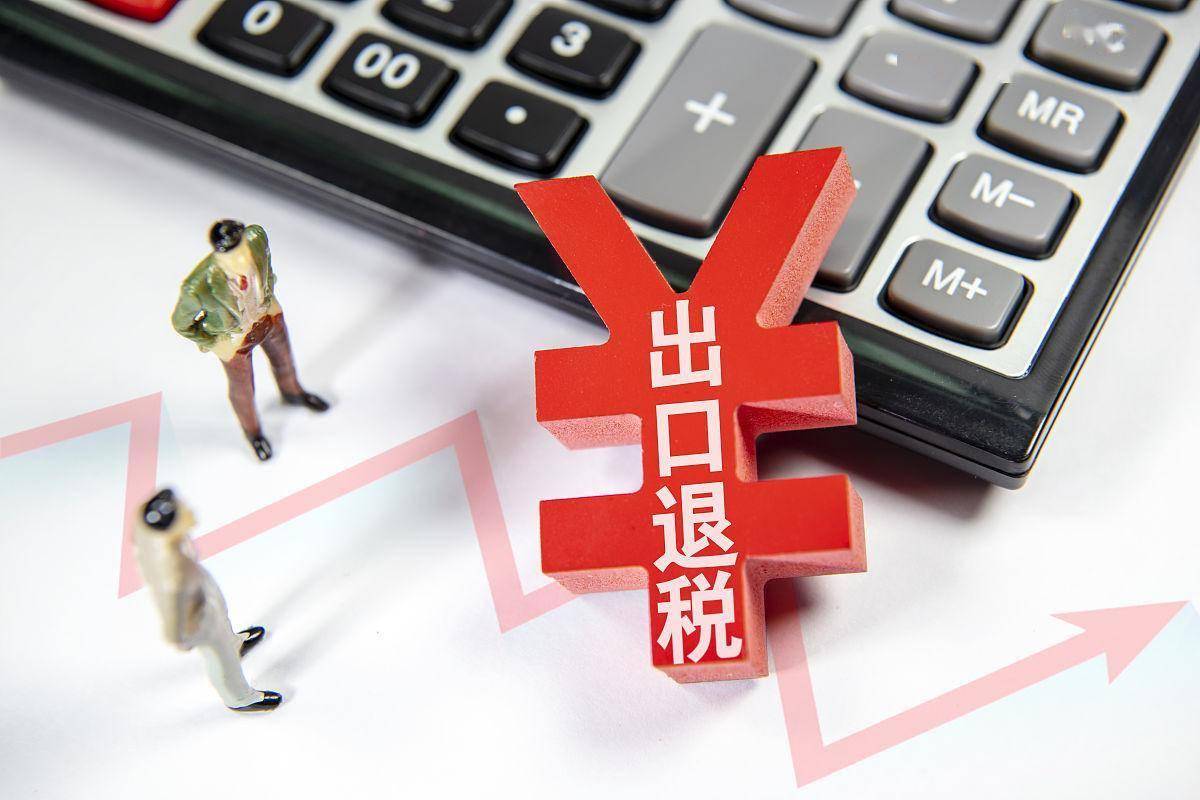
网红偷逃税被追缴罚款2300万,何来硬气叫嚣?
Xin Jing Bao· 2025-10-23 11:07
Core Viewpoint - The case of the popular internet celebrity couple "Xiaoying Couple" facing tax evasion charges highlights the increasing scrutiny and regulatory measures in the live streaming industry, emphasizing that no one is above the law and that tax compliance is a fundamental obligation for all market participants [1][2][3] Group 1: Tax Evasion Case Details - "Xiaoying Couple," with over 9 million followers, was investigated by the tax authorities in Foshan, Guangdong, resulting in a total tax recovery of 17,824,796.59 yuan and a fine of 5,973,287.46 yuan, amounting to a total of 23.79 million yuan [1] - The couple's methods of tax evasion included registering multiple entities, frequently canceling stores, and using personal accounts to conceal income, indicating organized and planned illegal activities rather than mere tax oversight [1] Group 2: Industry Implications - The rapid growth of the live streaming industry has led some practitioners to mistakenly believe that "traffic equals privilege," creating a false sense of security regarding tax compliance [2] - The government has been tightening tax regulations, with measures such as requiring internet platforms to report operators' income information, indicating that attempts to evade taxes through income splitting or account shifting will face increasing risks [2] Group 3: Public Awareness and Responsibility - The involvement of 23 consumers in reporting the tax evasion case demonstrates the importance of public vigilance in tax oversight, contributing to a fairer society [3] - The attitude of "Xiaoying Couple" reflects a lack of legal awareness among some internet practitioners, suggesting that true confidence should stem from lawful operations and honest tax payments rather than follower counts or income levels [3]
监管利剑斩断加油站偷税黑手
中国能源报· 2025-10-13 06:15
Core Viewpoint - The article highlights the escalating tax evasion tactics employed by gas stations and the increasingly stringent tax regulatory measures being implemented to combat these practices [1][3]. Group 1: Tax Evasion Tactics - Gas stations are utilizing advanced methods to conceal sales revenue, including deleting data from fuel dispensers, using third-party payment platforms to split income, and receiving payments through personal bank accounts [3][5]. - Specific cases from various regions, such as Jilin, Jiangsu, and Henan, reveal a range of sophisticated tax evasion techniques, indicating that these practices are widespread and not isolated incidents [3][5]. - The evolution of technology has led to more covert and professional tax evasion methods, such as modifying fuel dispenser components to facilitate cheating without detection [5][6]. Group 2: Tax Authority Response - Tax authorities are enhancing their regulatory approaches by employing big data analytics to identify anomalies in sales revenue declarations and collaborating across departments to monitor new payment methods [8][9]. - In specific cases, tax authorities have successfully identified suspicious patterns, such as consistent sales revenue despite market fluctuations, which led to further investigations [8][9]. - The collaboration between tax authorities and financial institutions is strengthening, allowing for better tracking of suspicious transactions and enhancing the overall effectiveness of tax compliance efforts [9]. Group 3: Importance of Compliance - The frequency of tax evasion cases among gas stations underscores the urgent need for industry transformation and the importance of legal compliance [11]. - The establishment of a robust tax credit system emphasizes the necessity for businesses to adhere to tax regulations, as non-compliance can lead to severe penalties and impact future business operations [11]. - Industry experts recommend that gas station operators implement internal controls for tax risk management and integrate compliance awareness into all operational processes [11].
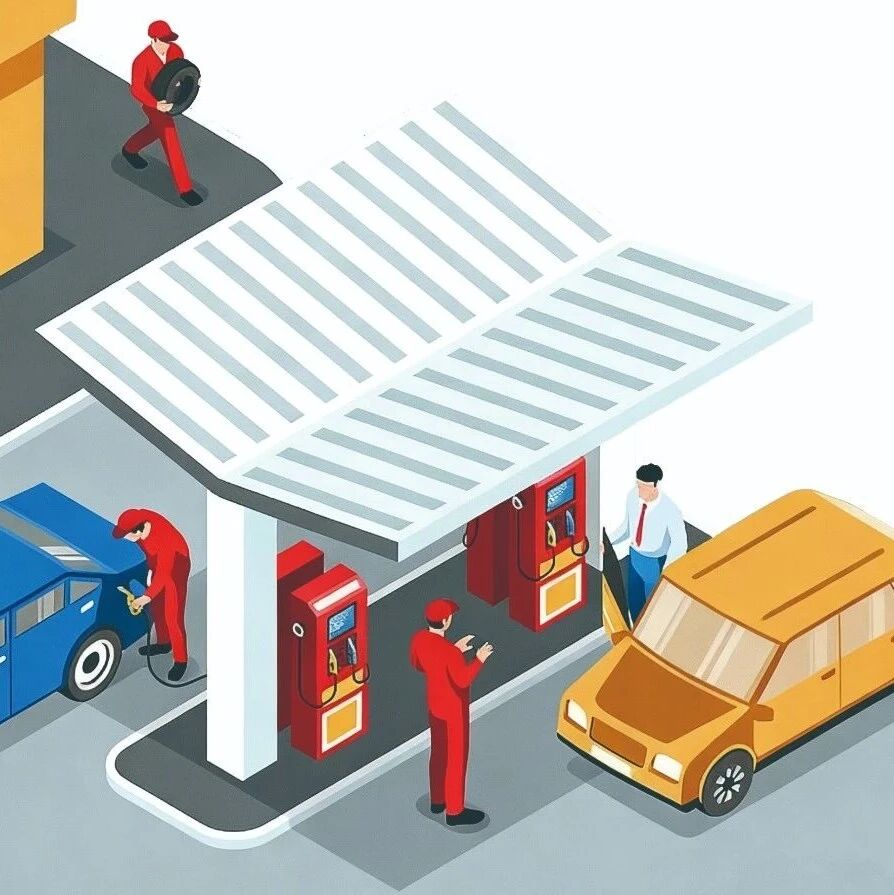
财税小檬在线:电商平台数据报送口径来了
Sou Hu Cai Jing· 2025-08-19 10:11
Group 1 - The core viewpoint is that e-commerce platforms are required to report specific data to tax authorities in preparation for tax audits [1][6]. - The reporting entities include both internet platforms and other organizations providing online business services [3]. - The reported content consists of three main aspects: identity information, income information, and specific exemptions [3][4]. Group 2 - Identity information includes names of operators and employees for individuals, and business license details along with store names and contact information for companies [3]. - Income information encompasses sales revenue, refunds, profits, and income from intangible consumption projects for the current quarter [4]. - Specific exemptions apply to personnel involved in delivery, transportation, and domestic services, who are not required to report information to tax authorities [5][6]. Group 3 - The reporting period is set for October of the current year, covering data from July to September [6]. - E-commerce platforms must comply with the tax authority's regulations to ensure the accuracy and security of the reported information [6]. - Companies are advised to adjust their business strategies to ensure timely and accurate reporting of costs and revenues [8].
存款超50万要警惕!税务新规暗藏玄机:这类账户可能被重点监控
Sou Hu Cai Jing· 2025-05-07 05:40
Group 1 - The new tax regulations are causing concern for individuals with bank deposits exceeding 500,000, as these accounts may be closely monitored by tax authorities [1][4] - The rationale behind monitoring accounts with deposits over 500,000 is that significant increases in account balances may indicate potential tax evasion or illegal activities [4][6] - Tax authorities are focusing on accounts that may have suspicious transactions, such as funds transferred from business income to personal accounts without proper tax declarations [4][6] Group 2 - If an account is flagged for monitoring, tax authorities will investigate the source and use of funds, requiring documentation to prove legitimacy [6][8] - Individuals with legitimate income sources and who comply with tax regulations are less likely to face issues, even with deposits exceeding 500,000 [6][8] - To mitigate risks, individuals are advised to enhance their tax awareness, maintain accurate financial records, and seek professional tax advice when uncertain [8]