空杯心态

Search documents
《了凡四训》中的6句箴言,悟透一句,受益一生
洞见· 2026-03-29 12:38
Core Viewpoint - The article emphasizes the importance of personal agency in shaping one's destiny, suggesting that individuals have the power to create their own fate and happiness through their choices and actions [7][9][10]. Group 1 - The concept of destiny is explored through the life of Yuan Liaofan, who initially believed in a predetermined fate but later realized that he could change his life through self-improvement and effort [8]. - The idea that past experiences, whether good or bad, contribute to one's life journey and should not hinder future progress is highlighted [12][13]. - The article encourages a forward-looking perspective, suggesting that dwelling on the past can impede personal growth and happiness [14]. Group 2 - The importance of humility and not comparing oneself to others is discussed, with the notion that true excellence lies in helping others grow rather than seeking personal glory [19][24]. - The article references historical figures like Zeng Guofan, who exemplified humility and shared credit with others, demonstrating that collaboration and respect for others are key to success [21][23]. - It is suggested that wisdom involves understanding the complexities of life and not taking everything too seriously, advocating for a balanced approach to relationships and challenges [26][30]. Group 3 - The article warns against the trap of defensiveness when faced with criticism, suggesting that responding to negativity only perpetuates the cycle of conflict [32][34]. - It emphasizes the importance of maintaining inner peace and not engaging with malicious comments, as this can disarm negativity [36][40]. - The concept of self-awareness and the dangers of arrogance are discussed, with a call to adopt a mindset of continuous learning and humility [42][47].


“登味管理”,正在搞垮企业
3 6 Ke· 2026-01-27 06:11
Core Viewpoint - The article discusses the detrimental effects of "old-style management" characterized by arrogance, resistance to change, and a focus on form over substance, which can lead to organizational stagnation and talent loss [2][17][32] Group 1: Characteristics of "Old-Style Management" - Arrogance is a hallmark of old-style management, where individuals believe their past successes make their opinions infallible, disregarding market feedback and younger employees' insights [4][5][6] - A fixation on outdated methods is evident, as these managers often apply past successful strategies without recognizing the significant changes in the business environment [8][9] - There is a refusal to embrace change, with managers often claiming to support innovation but retreating when it threatens their established authority [10][12][14] - A tendency towards formalism is present, where excessive focus on meetings and reports detracts from actual productivity, leading to a culture of performative work rather than meaningful contributions [15][16] Group 2: Solutions to Overcome "Old-Style Management" - Maintaining an open mindset, or "empty cup mentality," is crucial for effective management, allowing leaders to learn from frontline experiences and adapt to new realities [19][20][21] - Emphasizing tangible results over lofty ideals is necessary, as employees are motivated by visible rewards and clear growth opportunities rather than abstract promises [24][25][27] - Trusting frontline employees and decentralizing decision-making can enhance organizational efficiency, enabling quicker responses to market demands and fostering a culture of accountability [28][30][31]
一个变强的顶级心态:翻篇
Xin Lang Cai Jing· 2026-01-02 15:25
Group 1 - The core idea emphasizes the importance of moving on and learning to let go of past events that cannot be changed, which helps conserve energy and focus on the present [1][2] - The concept of maintaining a "empty cup" mindset is highlighted, suggesting that clinging to past successes can hinder the acceptance of new opportunities and learning experiences [1][2] - Acceptance of life's changes is presented as a key wisdom, encouraging individuals to embrace the fluidity of life and adapt to new circumstances without trying to control everything [2] Group 2 - The article mentions the formation of MACD golden cross signals, indicating that certain stocks are experiencing positive upward trends [3]
新的一年, 从学会归零开始
Xin Lang Cai Jing· 2025-12-31 23:12
Group 1 - The core idea emphasizes the importance of adopting a "zero-based" mindset for artists, allowing them to continuously evolve and avoid becoming complacent with past successes [1] - The concept of "zeroing" is highlighted as a method for actors to break free from their established habits and embrace new roles with a fresh perspective [1] - The article draws parallels between the artistic process and the philosophy of letting go of past achievements, suggesting that this mindset is essential not only for artists but for individuals in all professions [2] Group 2 - The notion of "empty cup mentality" is introduced, indicating that to create new work, artists must first discard previous accolades and start anew [1] - The article references the practice of creators, such as those behind the animated film "Nezha: The Devil's Child," who isolate themselves to focus on their next project, demonstrating the commitment to continuous improvement [1] - The teachings of historical figures like Zeng Guofan are cited to reinforce the idea that letting go of the past is crucial for personal and professional growth [2]
【夜读】一个变强的顶级心态:翻篇
Xin Lang Cai Jing· 2025-12-25 14:15
Group 1 - The core idea emphasizes the importance of moving on and learning to let go of past events that cannot be changed, which helps in conserving energy and emotions [2] - It highlights the necessity of adopting a "empty cup" mindset, where one values past achievements but does not cling to them, allowing for new learning and experiences [3] - The concept of accepting change in life is presented as a fundamental truth, suggesting that many internal struggles arise from the inability to adapt to change [4] Group 2 - Embracing change is portrayed as a form of wisdom, enabling individuals to maintain a stable core while accepting new possibilities in life [5]

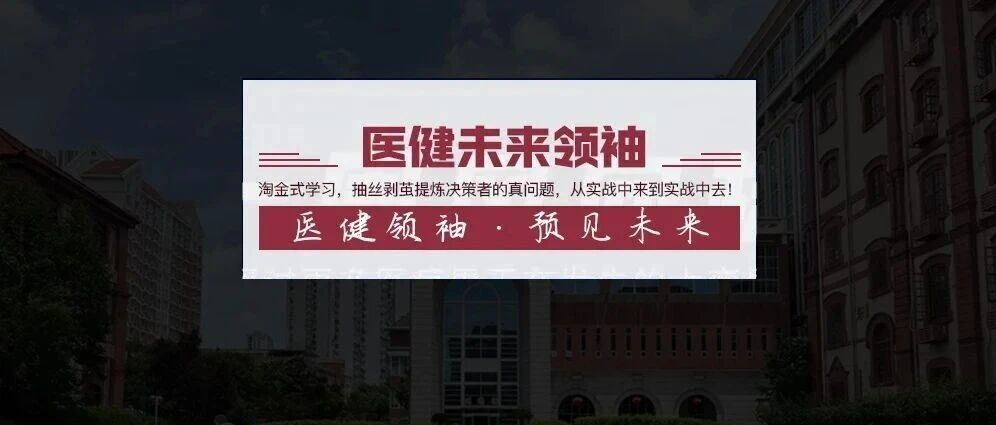
从"1"到"0",星辰大海,征途再启!医健未来领军人才班第十期开学典礼暨校友共创会盛大启幕
思宇MedTech· 2025-12-20 01:11
Core Insights - The article emphasizes the launch of the 10th cohort of the Medical and Health Future Leadership Class at Shanghai Jiao Tong University, marking a significant milestone in the program's journey and a commitment to innovation in the medical technology sector [4][8][40] - The concept of "From 1 to 0" is introduced, symbolizing a transformative mindset that encourages participants to embrace new beginnings and challenges in the evolving healthcare landscape [10][12][40] Group 1: Program Overview - The 10th cohort's opening ceremony is described as a moment of reflection and ambition, celebrating the program's growth from its inception to its current status [4][8] - The program has evolved into a robust ecosystem that connects various stakeholders in the medical industry, including clinical, capital, and regulatory entities [1][8] - The leadership class aims to cultivate top talent in the medical and health sectors, fostering innovation and collaboration among participants [12][20] Group 2: Key Themes and Messages - The "From 1 to 0" philosophy is highlighted as a call to action for participants to let go of past achievements and focus on future opportunities [10][12] - The importance of maintaining an "empty cup mindset" is stressed, encouraging continuous learning and adaptation in a rapidly changing industry [12][30] - Alumni and industry leaders emphasize the need for deep connections and collaboration to navigate the challenges and opportunities within the medical sector [16][18] Group 3: Alumni Engagement and Community Building - The program fosters a lifelong learning platform, allowing alumni to continuously engage and share knowledge within the medical community [16][20] - The establishment of the Alumni Ecosystem Declaration signifies a commitment to building an inclusive and collaborative medical ecosystem [20][21] - Alumni share insights on the importance of strategic investment and resource integration in driving innovation and addressing industry pain points [18][36]