《了凡四训》

Search documents
【文化中国行】天津宝坻:潮白河畔文脉长
Xin Lang Cai Jing· 2026-01-10 19:31
Core Viewpoint - The article highlights the rich cultural heritage of Baodi District, emphasizing its historical significance and ongoing cultural activities that attract both locals and tourists [1][5]. Cultural Heritage - Baodi has a long history dating back to the Five Dynasties and is known for its cultural contributions, including the establishment of the "Liao Fan" culture, which promotes values such as integrity and humility [3][5]. - The district is home to over 120 intangible cultural heritage items and has established 68 heritage transmission bases, showcasing its commitment to preserving traditional arts [11]. Cultural Activities and Events - Baodi hosts various cultural events, including the "Liao Fan Blessing Parade" during the Spring Festival, which has been upgraded to enhance the experience for visitors [5][11]. - The district organizes significant cultural festivals, such as the "京东大鼓" (Jingdong Drum) Art Festival and the "马季杯" (Ma Ji Cup) National University Student Crosstalk Exhibition, promoting local arts on a national level [9][11]. Tourism Development - The district aims to attract 5 million tourists by 2025, generating over 700 million yuan in comprehensive income, indicating a strategic focus on leveraging cultural resources for economic growth [11]. - Baodi's cultural tourism brand, "潮白河四季欢乐旅游节" (Chaobai River Four Seasons Happy Tourism Festival), integrates intangible cultural heritage and performing arts into tourism activities [11].

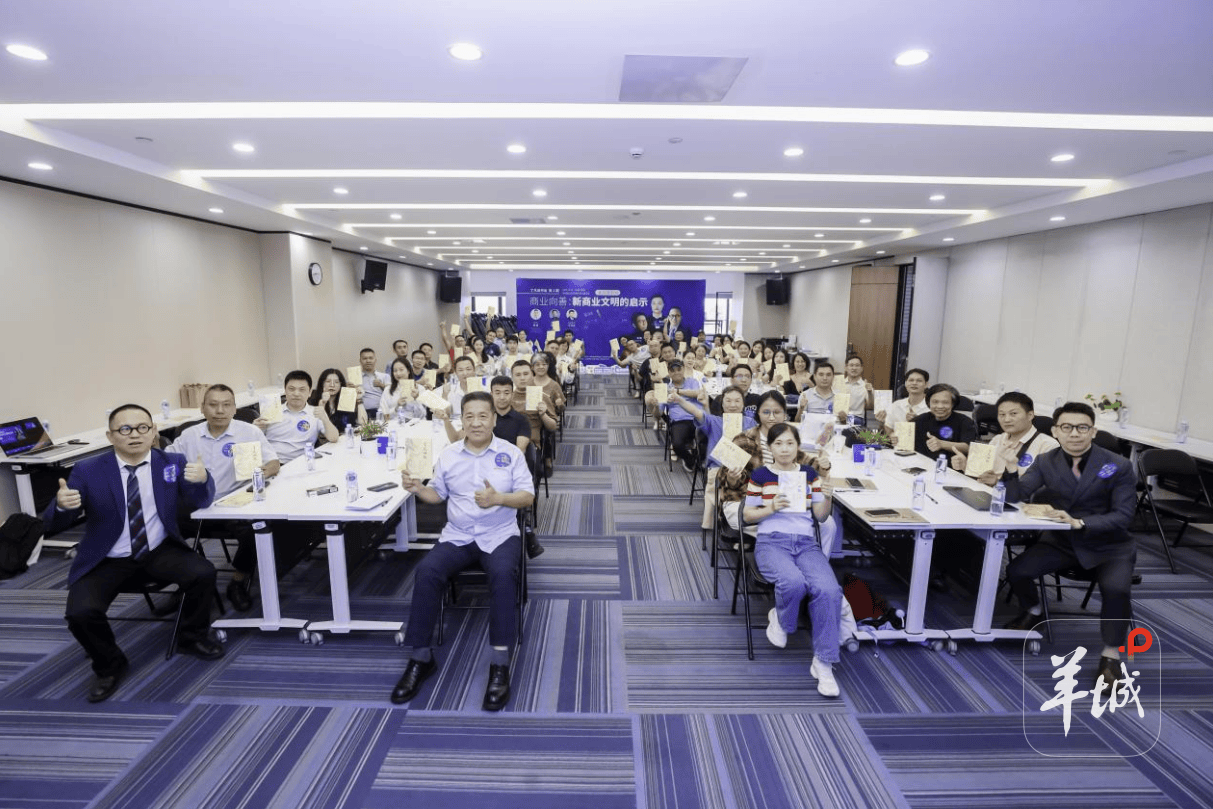
汲取传统智慧、倡导商业向善!“了凡读书会”在深圳成立
Sou Hu Cai Jing· 2025-10-13 14:15
Core Insights - The forum "Business for Good: Insights into New Business Civilization" held in Shenzhen focused on the concept of benevolent business, attracting nearly 70 participants [1] - The "Liao Fan Reading Club" was established on the same day, centered around the study of "Liao Fan's Four Lessons," a classic text on moral practice and self-cultivation [1][3] Group 1: Key Themes from the Forum - "Liao Fan's Four Lessons," authored by Ming dynasty thinker Yuan Huang, teaches how moral practice and self-cultivation can change one's destiny, emphasizing the importance of "correcting mistakes and cultivating goodness" [3] - The reading club aims to combine classic literature with spiritual cultivation, helping participants rebuild inner order and strengthen life direction amidst a fast-paced lifestyle [3] - The discussion on benevolent business included insights from various guests, with a focus on integrating public welfare into daily management to create a value system centered on "freedom and love" [3][5] Group 2: Crisis Management and Brand Strategy - Brand public relations expert Zuo Qiang emphasized the importance of "catching public emotions" in crisis management, proposing a "three no" strategy (not avoiding, not resisting, not being arrogant) [5] - The application of "three hearts" (sense of shame, sense of reverence, and courage) from "Liao Fan's Four Lessons" is relevant for brand crisis response [5] - Brand strategy expert Tan Zhaoguo argued that benevolence does not mean sacrificing profits but rather integrating humanistic care into strategy and operations, enhancing corporate social value and long-term brand trust [5] Group 3: Contemporary Value of Traditional Wisdom - Participants engaged in discussions about the contemporary relevance of "Liao Fan's Four Lessons," with a focus on transforming traditional wisdom into daily practices for corporate governance and social service [7] - The reading club aims to promote the concept of "benevolence" within more organizations, fostering a new business civilization that balances humanistic warmth with social responsibility [7]
小小宋 向各位叔叔阿姨问好
叫小宋 别叫总· 2025-10-08 23:59
Group 1 - The article expresses gratitude towards the author's wife for her support during challenging times, particularly regarding family health issues and the decision to have a child [14][15] - The author emphasizes the importance of independent thinking and self-discovery for the child, encouraging them to explore their own identity rather than conforming to parental expectations [10][11][20] - The author highlights the significance of education that promotes exploration and understanding of diverse perspectives, rather than rote learning [19][20] Group 2 - The author reflects on the value of life experiences over theoretical knowledge, wishing to share insights gained from personal journeys in the future [22] - The article conveys a commitment to being a supportive and understanding parent, aiming to foster a nurturing environment for the child's growth [25]