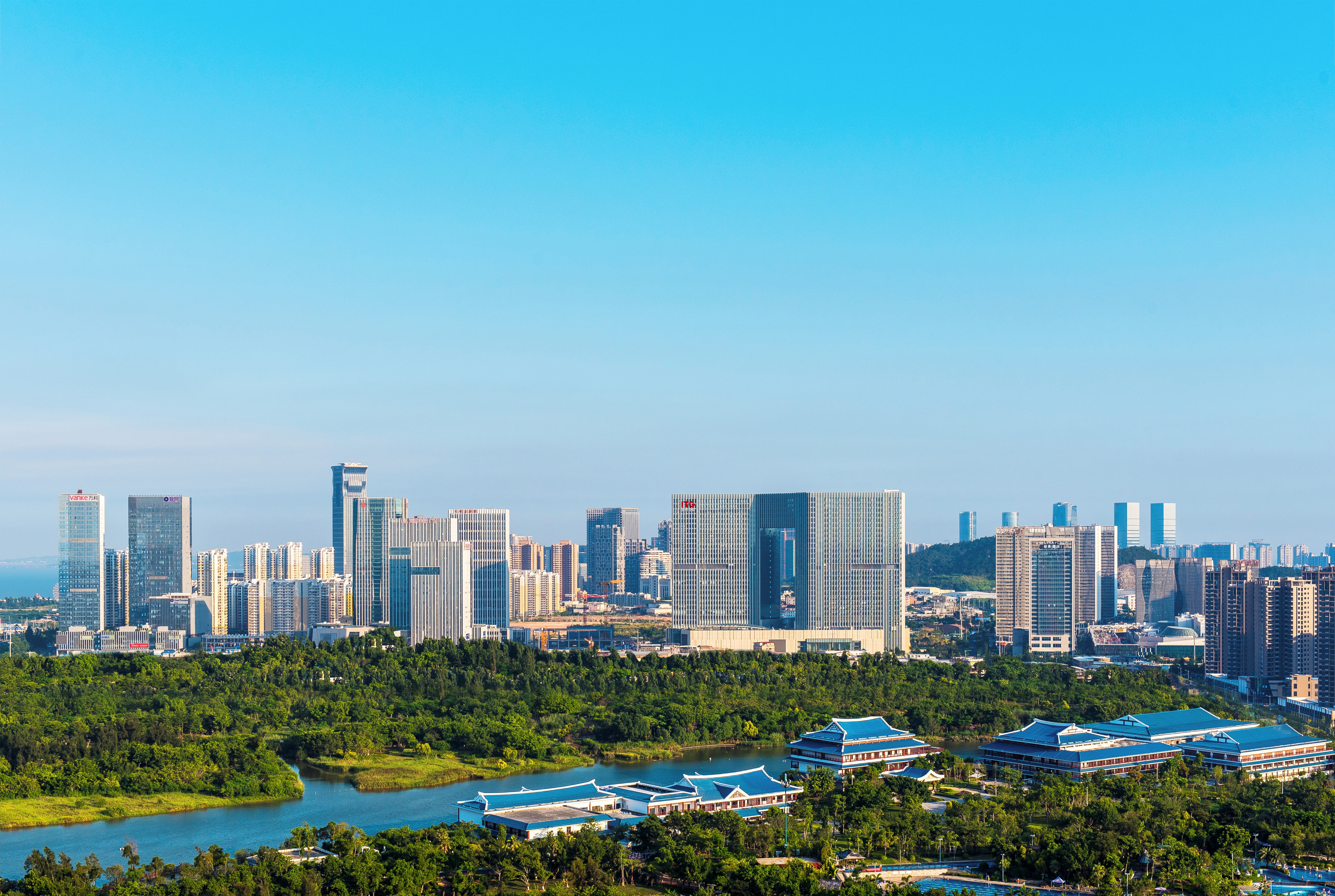
立体生态住宅

Search documents
华润筑牢立体生态住宅安全防线 递高品质建筑新答卷
Huan Qiu Wang· 2025-12-18 07:33
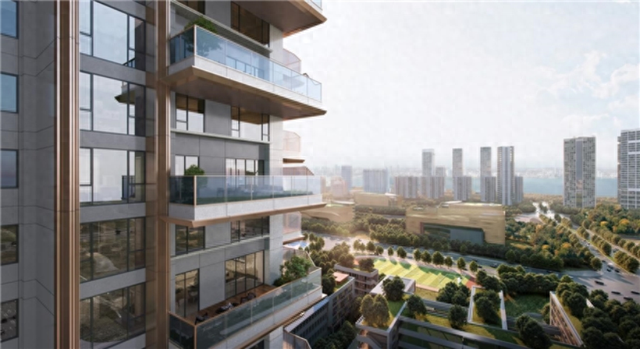
Core Viewpoint - The construction of the fourth-generation ecological residential project in Quanzhou, developed by China Resources Land, faces significant safety management challenges due to its unique architectural design and structural complexities [1][3]. Group 1: Project Overview - The project includes three ordinary residential buildings and three fourth-generation ecological residential buildings, featuring a height of 29-32 floors and an "air courtyard" design [1]. - The fourth-generation residential buildings are characterized by a complex structural system, with a maximum cantilever length of 12.5 meters and a supporting height of 6.3 meters, which increases construction safety risks compared to traditional residential buildings [1]. Group 2: Safety Management Strategies - A comprehensive safety management system was established, focusing on "risk preemption, technology empowerment, and closed-loop control," to ensure safe and orderly construction of the main structure [1]. - A special safety task force was formed to identify and manage 28 core risk points, including "high support instability, cantilever structure deformation, and multi-trade interference" [1][3]. Group 3: Technological Innovations - BIM technology was utilized to create detailed structural models, allowing for precise calculations of the load-bearing conditions of key components [3]. - The project adopted a socket-type steel pipe scaffold for high support construction and implemented strict safety controls for the waterproofing process, including a 24-hour water retention test before proceeding to the next construction phase [3]. Group 4: Health and Safety Measures - A comprehensive occupational health and safety system was developed, incorporating a "prevention-monitoring-intervention" approach, and health records were established for all frontline workers [4]. - Daily safety meetings included standardized demonstrations for protective equipment usage, ensuring compliance with safety protocols [5]. Group 5: Future Outlook - The project aims to set a high standard for safety management and quality in the construction of high-quality ecological residential buildings, providing replicable practices for similar projects in the future [5].


【新华财经调查】“第四代住宅”扎堆入市 两大难题还需化解
Xin Hua Cai Jing· 2025-07-01 13:58
Core Insights - The "Fourth Generation Residential" projects are gaining popularity due to their high actual occupancy rates, premium pricing, and rapid sales velocity, meeting the demand for high-quality housing among buyers [1][2][3] - However, there is confusion among developers due to the lack of a clear national definition and unified technical standards for "Fourth Generation Residential" [1][5][6] Market Performance - In 2024, the average premium for "Fourth Generation Residential" projects in 15 core cities is around 16%, with initial sales rates ranging from 25% to 43% [2][3] - A specific project in Zhengzhou achieved a sales rate of 92.5% for its initial offering, indicating strong market demand [2] Design and Features - The design of "Fourth Generation Residential" includes features like double terraces and lowered floor slabs, which enhance the living experience and meet consumer desires for garden-like spaces [2][3] - These projects are characterized by high green coverage rates, with one project reporting a green coverage of 35% [2] Industry Challenges - Developers face increased construction costs of 650-800 RMB per square meter compared to traditional housing, due to the need for differentiated designs and green building practices [6][7] - The lack of clear definitions and standards for "Fourth Generation Residential" leads to ambiguity in business models, making developers hesitant to fully embrace this new housing type [5][6] Regulatory Environment - The government has made adjustments to building design standards, which indirectly support the development of "Fourth Generation Residential" by allowing for greater flexibility in design [4][5] - Experts suggest that regional policies should be adapted to local conditions to promote the successful implementation of "Fourth Generation Residential" projects [9][10] Future Outlook - The future of residential development is expected to diversify, with "Fourth Generation Residential" being one of many forms, emphasizing sustainability and smart technology [10][11] - There is a call for establishing verification standards for these projects to ensure quality and prevent misleading marketing practices [10]
国贸地产:多元业务协同,财务指标稳健可期
Sou Hu Wang· 2025-05-14 11:15
Core Viewpoint - The real estate industry is experiencing a phase of recovery driven by new policies and market dynamics, with significant increases in investment and land acquisition by major companies, particularly those with state-owned backgrounds [1][4]. Group 1: Industry Recovery - In April, the investment amount of 30 monitored real estate companies reached 87.6 billion yuan, a year-on-year increase of nearly 100% and a month-on-month growth of 6.5% [1]. - The newly acquired land area in April was 3.47 million square meters, a 15.67% increase from March's 3 million square meters, indicating a strong recovery trend [1]. - Companies with state-owned backgrounds are benefiting from favorable financing conditions, enhancing their project development and debt management capabilities [1]. Group 2: Company Performance - Guotai Real Estate reported a revenue of 5.275 billion yuan for Q1 2025, a year-on-year increase of 50%, and a profit of 238 million yuan, up 27.3% [1][3]. - For the full year of 2024, Guotai Real Estate achieved a revenue of 40.5 billion yuan, a 52.7% increase, and a profit of 1.687 billion yuan, up 28.9% [4]. - The company's asset-liability ratio decreased by 3.95 percentage points to 69.82%, indicating improved financial health [4]. Group 3: Strategic Focus - Guotai Real Estate maintains a strong strategic focus and continues to deepen its regional presence, particularly in core cities [5][6]. - The company has established a presence in 20 key cities, including Xiamen, Fuzhou, Beijing, and Shanghai, aligning with national urbanization strategies [6]. - In the first half of 2025, Guotai Real Estate acquired three land parcels in Xiamen, Shanghai, and Fuzhou, with a total planned construction area of 143,000 square meters and a total value of nearly 9 billion yuan [6]. Group 4: Product and Service Innovation - Guotai Real Estate has introduced the "Ocean Life Aesthetics" concept, enhancing product aesthetics and customer experience [7][9]. - The Fuzhou Guotai Tianqin Bay project has a sales guide price of 42,000 yuan per square meter, with a market premium of approximately 40%-45% over the floor price [7]. - The company has received multiple awards for service quality, including recognition as one of China's top 100 service brands [9][10]. Group 5: Diversified Business Development - Guotai Real Estate is expanding its business model to include seven major sectors: real estate development, education, exhibition, urban renewal, property services, asset management, and commercial travel [11][13]. - The company has made significant strides in urban renewal, with over 10 million square meters of area updated and more than 200 projects under construction [13][14]. - Guotai Real Estate is transitioning from a traditional real estate developer to a comprehensive urban construction and operation service provider [14].