
第四代住宅

Search documents
碧桂园:连亏三年终盈利
3 6 Ke· 2026-03-31 10:33
Core Viewpoint - Country Garden has reported a significant decline in revenue for 2025, but has achieved a turnaround in profitability due to debt restructuring efforts [1][2][4]. Group 1: Financial Performance - Total revenue for Country Garden in 2025 was approximately 154.89 billion yuan, a year-on-year decrease of about 38.7%, marking four consecutive years of decline [1]. - The company's net profit for 2025 was approximately 3.26 billion yuan, a significant recovery from previous years of losses [2][3]. - The gross loss for 2025 was approximately 43.12 billion yuan, primarily due to impairment provisions for properties under construction and completed properties [5]. Group 2: Debt Restructuring - The successful debt restructuring was a core reason for the company's return to profitability, with a total of approximately 177 billion USD in offshore debt restructured [4]. - The restructuring included a cash payment of approximately 398 million USD to creditors shortly after the plan took effect [4]. - Total liabilities decreased to approximately 767.86 billion yuan by the end of 2025, down 216.73 billion yuan from the previous year [5]. Group 3: Real Estate Development - Revenue from real estate development, which constitutes 97.2% of total income, fell to approximately 150.49 billion yuan in 2025, a decline of about 38.8% [1][7]. - The average sales price of delivered properties was approximately 6,908 yuan per square meter [7]. - Country Garden completed the delivery of approximately 170,000 housing units in 2025, maintaining its position as the industry leader in delivery volume [7]. Group 4: Future Plans - The company has prioritized property delivery as its main task, aiming to complete most delivery tasks by mid-2026 [8]. - Future strategic focus will include enhancing core competitiveness and advancing the development of fourth-generation residential designs [9]. - Country Garden is also shifting resources towards other business segments, including construction and property services, to support its long-term growth strategy [9].



碧桂园再涨近8% 预计2025年扭亏为盈 此前明确2026将是“最关键一年”
Zhi Tong Cai Jing· 2026-03-26 19:01
Group 1 - The core viewpoint of the news is that Country Garden has issued a profit warning, expecting a profit between 1 billion to 2.2 billion for the fiscal year 2025, following a loss of 35.145 billion in the previous year [1] - The anticipated profit turnaround is primarily attributed to non-cash gains from debt restructuring, while excluding these gains, the company still faces losses due to industry pressures affecting gross margins and impairment provisions on certain assets and property projects [1] - Yang Huiyan emphasized that 2026 will be a critical year for the company to transition from "ensuring delivery" to normal operations, with the next 3 to 5 years being a significant period for growth [1] Group 2 - The company plans to focus on building core competitiveness, with a customer-oriented approach in product services, advancing the fourth generation of residential designs, and catering to diverse demographic needs such as aging populations and pet-friendly designs [1] - Country Garden aims to leverage its full industry chain advantages to integrate product design and property services, facilitating a second growth phase for the company [1]
南京-贴息-新政背景及影响展望
2026-03-26 13:20
Summary of Nanjing Real Estate Market Conference Call Industry Overview - The Nanjing real estate market is experiencing significant contraction, with new home sales projected to be only 20,000 units in 2025, averaging less than 2,000 units per month, a sharp decline from the peak of 117,000 units in November 2016 [1][2] - There is a severe price discrepancy between new and second-hand homes, with new homes averaging 27,000 CNY/sqm compared to 18,000 CNY/sqm for second-hand homes, leading to a shift in demand towards the latter [1][3] - The inventory pressure is substantial, with a visible inventory depleting over approximately 2 years, while hidden inventory, including undeveloped land, is estimated at around 200,000 units, requiring about 9 years to deplete at current sales rates [1][3] Key Policy Insights - The recently introduced mortgage interest subsidy policy aims to stimulate the new home market by encouraging "sell old, buy new" transactions. The government has set up a 100 million CNY fund, providing a one-time subsidy of 1% of the commercial loan amount for eligible buyers [2][3] - The policy is effective from March to October 2026, but its impact is seen as limited due to the small subsidy pool and ongoing price declines in the housing market [2][3] Market Dynamics - The Nanjing real estate market is characterized by a stable demand for second-hand homes, maintaining an annual transaction volume of around 100,000 units even during downturns [7][8] - The average total price for second-hand homes in 2025 is reported at 1.17 million CNY, significantly down from 2.3 million CNY in 2021, with a notable increase in the proportion of transactions for homes priced below 1.5 million CNY [7][8] - The market is witnessing a shift in buyer preferences, with a focus on low-priced, high-convenience "old and broken" homes, which have shown better rental yields of 3% to 5% in core areas [9][12] Inventory and Sales Pressure - The new home market faces greater inventory pressure compared to the second-hand market, with a visible inventory of 48,000 units and a hidden inventory of 200,000 units, leading to a potential 9-year depleting period [12][13] - The fourth-generation residential projects are struggling with sales due to high pricing compared to second-hand homes, with a market acceptance threshold for premium pricing now below 20% [13][14] Future Outlook - The market is expected to see a temporary boost in transactions due to seasonal factors and the new subsidy policy, with predictions of a 20% to 30% increase in second-hand home sales in the short term [15] - However, the sustainability of this policy's impact remains uncertain, with potential for diminishing effects after 6 months unless further measures are introduced [15][16] Conclusion - The Nanjing real estate market is currently in a challenging phase, with significant inventory issues, price discrepancies, and a need for effective policy measures to stimulate demand and stabilize prices. The focus on affordable housing and rental yields indicates a shift in market dynamics that could shape future investment opportunities.
2026中国房地产百强企业研究成果发布会
2026-03-26 13:20
Summary of Key Points from the Conference Call on China's Real Estate Industry Industry Overview - The conference focused on the **Chinese real estate industry**, particularly the top 100 real estate companies in China, highlighting significant changes in market dynamics and company performance [1][2][3]. Core Insights and Arguments - **Market Share Shift**: By 2025, state-owned enterprises (SOEs) will dominate the top 100 real estate companies, capturing **74%** of the market share, marking the end of the era dominated by private enterprises [1][4][15]. - **Profitability Decline**: The average net profit of the top 100 companies is projected to be **negative 750 million yuan** in 2025, indicating a significant downturn in profitability, with revenues reverting to levels seen in 2015 [1][4][16]. - **Liquidity Crisis**: There is a substantial liquidity pressure, with funds available to companies dropping by **54%** from the peak in 2021. By 2026, over **70 billion yuan** in bonds will be due, intensifying repayment challenges [1][12][18]. - **Market Stabilization**: The market is showing signs of stabilization, with a potential turning point expected in 2026, as major cities like Shenzhen and Shanghai see a rebound in transaction volumes [1][5][21]. - **Investment Focus**: Active companies are concentrating **83.4%** of their land acquisition budgets in first-tier and core second-tier cities, with improved housing products contributing **69%** of sales [1][15][16]. Additional Important Insights - **Research Background**: The study of the top 100 real estate companies has been ongoing for **23 years**, providing critical data for government policy-making and market analysis [2][11]. - **Sales and Market Trends**: In 2025, total sales and sales area for the top 100 companies fell by **18.1%** and **24.3%**, respectively, with the market share of these companies at **38.8%**, down **2.4 percentage points** from the previous year [14][15]. - **Operational Strategies**: Companies are shifting towards a dual-track model, focusing on both development and operational services, with an emphasis on enhancing quality and managing risks [10][19][20]. - **Social Responsibility**: The average tax contribution from the top 100 companies was **1.62 billion yuan**, reflecting their commitment to social responsibility, including building quality and sustainable development practices [20][21]. Conclusion - The current state of the real estate industry in China is characterized by significant challenges, including declining profitability and liquidity issues. However, there are opportunities for recovery and growth, particularly through strategic investments in core urban areas and a focus on operational efficiency and quality improvement. The industry is expected to undergo further consolidation, with a clear need for companies to adapt to the evolving market landscape [21].
港股异动 | 碧桂园(02007)再涨近8% 预计2025年扭亏为盈 此前明确2026将是“最关键一年”
智通财经网· 2026-03-25 03:59
Core Viewpoint - Country Garden (碧桂园) shares have increased by nearly 8%, currently trading at 0.345 HKD, with a transaction volume of 1.42 billion HKD, following the announcement of a profit forecast for the fiscal year 2025, estimating profits between 1 billion to 2.2 billion HKD, a significant recovery from the previous year's loss of 35.145 billion HKD [1] Financial Performance - The company expects to turn a profit this year primarily due to non-cash gains from debt restructuring, despite recording losses when excluding these gains, attributed to industry pressures on gross margins and impairment provisions on certain assets and property projects [1] Strategic Outlook - Yang Huiyan emphasized that 2026 will be a critical year for the company to transition from "ensuring delivery" to normal operations, with the next 3-5 years seen as a vital period for growth [1] - The company has a clear plan focusing on building core competitiveness, enhancing customer orientation, and advancing the fourth generation of residential products, including designs catering to the needs of the elderly and pet-friendly features [1] - Country Garden aims to leverage its full industry chain advantages to integrate product design and property services, facilitating a second growth phase for the company [1]
碧桂园回应“大规模召回离职员工”
第一财经· 2026-03-18 11:18
Core Viewpoint - Country Garden (02007.HK) is not implementing a large-scale recall of former employees, but rather utilizing re-hiring as a supplementary method for filling specific key positions as needed [3][4]. Group 1: Employee Re-hiring - Country Garden clarified that the recent reports of a large-scale recall of former employees are inaccurate and represent a misinterpretation of the situation [3]. - The company updated its internal document on re-hiring former employees, which is not a new policy but a revision of existing procedures [3]. - Re-hiring is intended to support the orderly advancement of business operations and align with the company's recovery phase and new project development needs [3]. Group 2: Business Recovery and Strategy - The company emphasizes that restoring business operations is as crucial as ensuring project delivery, with 2026 identified as a pivotal year for transitioning from project delivery to normal operations [4]. - The strategic focus for the next 3-5 years will be on building core competitiveness, with a strong customer orientation and the advancement of the fourth generation of residential products [4]. - Country Garden aims to leverage its full industry chain advantages to enhance product design and property services [4].
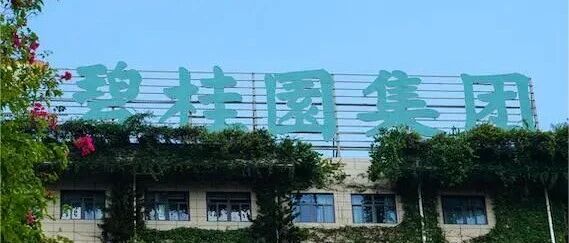
碧桂园回应大规模召回离职员工
2 1 Shi Ji Jing Ji Bao Dao· 2026-03-18 06:48
Core Viewpoint - Country Garden has initiated a large-scale "Veteran Recall Plan" to enhance its workforce and support business recovery, although the related policy was not newly introduced but revised earlier this year [1][7]. Group 1: Employee Management and Workforce Changes - The company has released a "Rehiring Management Policy" to ensure effective human resource allocation during its recovery phase and new project development [1][7]. - Employee numbers have significantly decreased, from approximately 131,400 at the end of 2018 to an expected 17,900 by mid-2025 [2][8]. Group 2: Business Recovery and Debt Restructuring - Country Garden has completed its debt restructuring and is in a phase of restarting operations, with a new issuance of approximately 14.233 billion shares, nearly 51% of the pre-restructuring share capital [2][8]. - Following the restructuring effective from December 30, 2025, the company has paid around $398 million to creditors within the first week [3][9]. Group 3: Strategic Direction and Sales Performance - The company aims to transition from ensuring housing delivery to normal operations in 2026, marking it as a critical year for growth [3][9]. - In early 2026, Country Garden ranked among the top ten in sales rights amount and operational area among Chinese real estate companies [4][10]. Group 4: Future Development and Innovation - The strategic focus for the next 3-5 years will be on building core competitiveness, with an emphasis on customer-oriented product design and integrating various service aspects [4][10]. - The company is pursuing organizational transformation through the integration of technology and management innovation, aiming to create a modern, data-driven organization [5][11].
碧桂园回应大规模召回离职员工
21世纪经济报道· 2026-03-18 06:36
Core Viewpoint - Country Garden has initiated a large-scale "Veteran Recall Plan" to stabilize its workforce and support business recovery, emphasizing the importance of talent for sustainable development [1][2]. Group 1: Employee Management - The "Return of Departed Employees Management Measures" was released to ensure key positions are filled and to standardize the re-hiring process, although it is a routine update rather than a new policy [1]. - The number of employees at Country Garden has decreased significantly, from approximately 131,400 at the end of 2018 to only 17,900 expected by mid-2025 [1]. Group 2: Business Development - Country Garden has completed its debt restructuring and is in a phase of restarting operations, with approximately 14.233 billion new shares issued post-restructuring, nearly 51% of the pre-restructuring capital [2]. - The company has made cash payments of about $398 million to creditors within the first week following the restructuring [2]. - The management has identified 2026 as a critical year for transitioning from ensuring housing delivery to normal operations, outlining a 3-5 year development framework [2]. Group 3: Sales Performance - Country Garden achieved significant sales during the "Spring Festival" period, with daily sales significantly higher compared to the previous year [2]. - According to data from CRIC, Country Garden ranked among the top ten in sales rights amount and operational area for Chinese real estate companies in January-February 2026 [2]. Group 4: Strategic Focus - The strategic core for the next 3-5 years will focus on building core competitiveness, with an emphasis on customer-oriented product design and integrating various service aspects [3]. - The company aims to evolve into a modern, data-driven organization that is sensitive to market changes and fosters innovation [4]. - Country Garden is deepening its research on the integration of "new technology + AI" to enhance decision-making and operational efficiency [4].

碧桂园回应“人才召回”计划:是已有制度修订,并非新出台办法
2 1 Shi Ji Jing Ji Bao Dao· 2026-03-18 06:07
Core Insights - Country Garden has initiated a large-scale "Veteran Recall Plan" to ensure business continuity and support new project development, emphasizing the importance of talent for sustainable growth [1] - The company has completed its debt restructuring and is in a phase of restarting operations, with a significant issuance of new shares [2] - The company aims to transition from ensuring housing delivery to normal operations in 2026, outlining a strategic framework for the next 3-5 years [3] Group 1: Talent Management - The "Return to Work Management Measures" for former employees is a routine update rather than a new policy, aimed at optimizing human resource allocation [1] - The number of employees has decreased significantly, from approximately 131,400 at the end of 2018 to only 17,900 by mid-2025 [1] Group 2: Business Development - Country Garden has issued approximately 14.233 billion new shares as part of its restructuring, nearly 51% of the pre-restructuring share capital [2] - The company has made cash payments of about $398 million to creditors within the first week following the restructuring [3] Group 3: Sales and Market Position - In February, Country Garden achieved significant sales during the "Spring Festival" period, with daily average subscriptions showing a notable year-on-year increase [3] - According to data from CRIC, Country Garden ranked among the top ten in sales rights amount and operational area for Chinese real estate companies in January-February 2026 [4] Group 4: Strategic Focus - The strategic core for the next 3-5 years will focus on building core competitiveness, enhancing customer-oriented product design, and integrating various service aspects [4] - The company is committed to transforming into a modern, data-driven organization that is sensitive to market changes and fosters innovation [5]
春节楼市观察:京津冀、山东、东北篇
中指研究院· 2026-03-15 02:08
Investment Rating - The report indicates a stable outlook for the real estate market in 2026, with a focus on "stabilizing expectations and shortening the adjustment period" [3][6] Core Insights - The real estate market in China is entering its sixth year of adjustment, with clear signals from policy levels aimed at stabilizing market expectations and boosting confidence [3] - The market is expected to see a gradual release of pent-up demand for both first-time buyers and those looking to upgrade their living conditions, particularly in Beijing [6] - The differentiation in market performance is becoming more pronounced, with varying trends observed across different regions such as Beijing, Hebei, Shandong, and Northeast China [3][4][7] Summary by Sections Beijing Market - The second-hand housing market in Beijing is dominated by low-priced transactions, with approximately 15,000 units sold in January 2026, marking a new high since 2022 [4] - New housing sales are increasingly focused on high-end and improvement-oriented buyers, with about 2,500 new units sold in January 2026 [4][5] - Policy adjustments have lowered barriers to homeownership, with a shift in buyer behavior towards more rational decision-making based on actual payment capabilities [5][6] Hebei Market - The Hebei market is under pressure, with a more rational approach to home buying and a continued bottoming phase expected in the short term [3][7] Shandong and Northeast Markets - In Shandong and Northeast regions, market differentiation is intensifying, with a clear divide between first-time buyers and those seeking improved living conditions [3][6] - The demand for quality products is leading the new housing market development, with a focus on better living conditions and amenities [3][6] Langfang Market - The Langfang market is characterized by price pressure and regional differentiation, with a significant focus on low-priced housing [7][8] - The second-hand market is still in a bottoming phase, with a preference for smaller units priced between 500,000 to 900,000 yuan [7][8] Baoding Market - The Baoding market shows a "watchful but less buying" trend, with promotional efforts remaining stable and limited discounts being offered [9][10] - The buyer demographic is increasingly rational, focusing on practical living factors such as unit layout and community quality [10][11] Cangzhou Market - The Cangzhou market is primarily supported by first-time buyers, with a significant portion of transactions driven by marriage and educational needs [12][14] - The market is experiencing a cautious outlook, with a notable preference for lower-priced options and a trend towards reducing leverage among buyers [12][14] Zibo Market - The Zibo market is undergoing a deep adjustment, with a clear divide in demand between first-time buyers and those seeking improved living conditions [15][16] - The focus is shifting towards quality and safety in housing, with a notable increase in promotional activities as the market prepares for a potential recovery [15][16] Single County Market - The market in Single County is seeing a clear trend towards improvement, with a focus on quality housing driven by educational and healthcare resources [17][18] - The second-hand market is characterized by an increase in listings, with price being a key driver for transactions [17][18] Shenyang Market - The Shenyang market is maintaining stable prices for new homes, while the second-hand market continues to show signs of differentiation [19][20] - The introduction of fourth-generation residential projects is gaining traction, indicating a shift towards higher quality housing standards [21][22] Changchun Market - The Changchun market is stabilizing, with a focus on rational pricing and a strong emphasis on educational resources in core areas [22][23] - The demand is primarily driven by first-time buyers and families concerned about education, with a notable interest in quality housing options [23][24]