
端云一体

Search documents
联想在天幕剧场再定义AI智能体验|直击CES
Xin Lang Cai Jing· 2026-01-07 02:52
Core Insights - Lenovo showcased a series of significant AI products and concept devices at the CES 2026 Tech World conference, emphasizing its vision of providing "smarter AI for everyone" [1][4] Group 1: Personal AI Innovations - The highlight of the event was the introduction of Lenovo Qira, a new cross-device personal AI super agent system designed to operate seamlessly across smartphones, computers, tablets, and wearables, built on a "cloud-edge integrated" architecture [1][5] - Lenovo Qira aims to create a user-centric AI experience that is built on trust and user control, marking a new era in personal AI [5] Group 2: Consumer and Commercial Products - In the consumer segment, Lenovo launched the Yoga Pro 9i Aura Edition, featuring Intel Core Ultra 9 series processors and a starting price of $1899.99, expected to be available in Q2 [5][6] - The Yoga Slim 7x was also introduced, equipped with Qualcomm Snapdragon X2 Elite processors, weighing 1.17 kg, with a thickness of 13.9 mm and a battery life of up to 29 hours, though its starting price was not disclosed [5] - For commercial use, Lenovo presented the ThinkPad X1 Carbon and ThinkPad X1 2-in-1 Aura Edition, leading the high-end business series, along with the ThinkCentre X AIO Aura Edition featuring modern design and smart functionalities [2][6] Group 3: Concept Products and Collaborations - Lenovo displayed several concept products, including the ThinkPad Rollable XD Concept with a dynamic expandable display, the Legion Pro Rollable Concept gaming laptop, and AI smart glasses weighing only 45 grams with up to 8 hours of usage time [2][6] - Motorola introduced two flagship smartphones, including the new motorola razr fold, the first foldable device in the razr series, featuring an 8.1-inch display and an industry-leading camera system [2][6] - In the enterprise market, Lenovo collaborated with AMD to launch the new AI inference server ThinkSystem SR675i, designed to provide robust AI inference capabilities for various workloads [2][6] Group 4: Special Editions and Event Highlights - Lenovo also unveiled a special edition device series for the FIFA World Cup 26, covering multiple product lines including ThinkPad, ThinkBook, Yoga, Legion, IdeaPad, and Motorola [3][6] - The event took place at the Sphere venue in Las Vegas, marking the first time a tech company held a product launch at this iconic location [3][7]

吴晓波:打造“端云一体”AI体验,才能真正构建个人超级智能体
Huan Qiu Wang· 2025-12-29 06:39
Core Insights - The event "AI Shining China 2025" highlighted the importance of creating an "end-cloud integration" AI experience to build personal superintelligent agents [1] Group 1 - Wu Xiaobo emphasized the need for seamless interaction and local processing capabilities in AI PCs, showcasing Lenovo's first AI PC with five key features that exceed expectations in response speed [3] - Lenovo has established over 30 manufacturing bases globally to rapidly develop AI products in the AI era [3] Group 2 - The Tianxi personal superintelligent agent (Tianxi AI) is embedded in various devices such as AI PCs, smartphones, tablets, and AIoT, utilizing a personal model and a comprehensive knowledge base [3] - Tianxi AI can record user interactions across different devices, deeply understand user habits, and autonomously manage tasks and execution [3] - The Tianxi AI 3.5 personal knowledge base enhances fragmented information into a unified personal knowledge graph through precise content extraction and intelligent knowledge association [3]

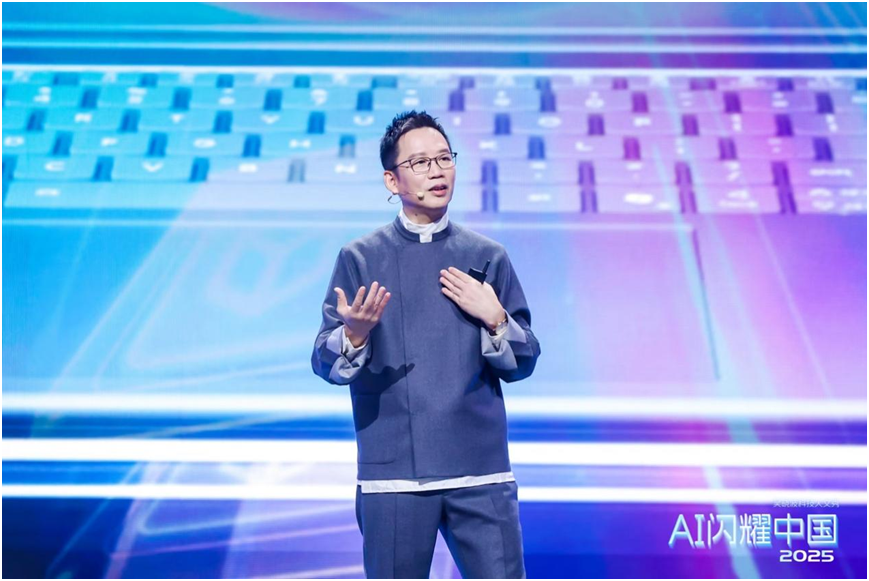
吴晓波:联想布局全球制造,才能在AI时代第一时间打造AI产品
Xin Lang Cai Jing· 2025-12-29 04:19
Core Insights - The event "AI Shining China 2025" featured a speech by Wu Xiaobo, emphasizing the importance of creating an "end-cloud integrated" AI experience to build personal superintelligent agents [1][3] - Wu Xiaobo highlighted his firsthand experience with Lenovo's AI PC, which possesses five key features, showcasing intuitive natural interaction and local document summarization without relying on the cloud [1][3] - Lenovo has established over 30 manufacturing bases globally, enabling it to rapidly develop AI products in the AI era [1][3] - The company has a 40-year history of leading PC generational upgrades and aims to integrate intelligence into everyday life through personalized user experiences [1][3] - The Tianxi AI is expected to evolve into an expert-level intelligent agent, ultimately achieving a fully autonomous AI twin that surpasses human expertise [1][3] Company and Industry Summary - Tianxi personal superintelligent agent (Tianxi AI) is embedded in various devices such as AI PCs, smartphones, tablets, and AIoT, utilizing a personal model and a comprehensive knowledge base [2][4] - Tianxi AI can record user interactions across different devices in real-time, deeply understand user habits, and autonomously manage tasks [2][4] - The super connectivity of Tianxi AI breaks device boundaries, allowing for real-time transfer of files, data, and information, and manages the entire lifecycle of a "personal knowledge base" [2][4]
联想天禧个人超级智能体:引领AI从工具到智能伙伴的范式变革
Huan Qiu Wang· 2025-12-17 04:42
Core Insights - Lenovo's Tianxi Personal Super Intelligent Agent represents a significant advancement in the "hybrid AI" strategy, evolving AI from a passive tool to an intelligent partner with perception, cognition, and autonomous action capabilities [1][2] - The agent is built on a "cloud-edge integrated" architecture, featuring three technological pillars: reasoning acceleration engine, Super Connectivity 3.0, and a trusted security platform, facilitating a revolutionary interaction shift from "people finding services" to "services finding people" [1][2] - The market response has been positive, with the agent being fully integrated into Lenovo's AI PCs and smartphones, receiving international awards and recognition for its role in promoting AI adoption and ecosystem integration [1][2] Industry Context - The global AI landscape is transitioning from technological breakthroughs to widespread application, highlighting a gap between the powerful capabilities of general large models and the fragmented, high-threshold user experiences [1][2] - Lenovo's proactive approach to "hybrid AI" aims to bridge this gap, positioning it as a necessary path for AI proliferation [2] Technological Advancements - The Tianxi AI 3.5 version has achieved three major upgrades: true personalization, enhanced action capabilities, and seamless multi-device experiences [6][7] - True personalization is enabled by "always-on proactive memory" and "holistic personal knowledge management," allowing the agent to integrate user interactions across devices and time [6] - The leap in action capabilities allows the agent to autonomously manage complex tasks, coordinating various applications and systems to deliver comprehensive solutions [7] - The seamless experience across devices is facilitated by Super Connectivity 3.0, enabling intuitive cross-device interactions [7] Ecosystem Development - Lenovo has built a vast open ecosystem around the Tianxi intelligent agent, incorporating over 5,000 intelligent agents and AI applications across various life, work, and learning scenarios [8] - The Tianxi platform is designed to evolve through five stages, currently progressing towards creating a personalized, trustworthy, and deeply collaborative "AI Twin" for users [8] Practical Applications - The Tianxi intelligent agent is transforming productivity and user experiences through interfaces like "AI Sui Xin Window," "AI Ling Long Platform," and "AI Ru Ying Frame," automating tasks for knowledge workers and enhancing daily life for general users [9] - Specific products, such as the Lenovo YOGA Pad Pro 14.5 AI and the moto razr 60 Ultra, showcase the practical applications of AI in creative and travel contexts [9] Market Validation - The Tianxi intelligent agent has received recognition from industry authorities, including the "Leading Achievement in Digital Intelligence Application" award from the Global Digital Economy Alliance [11] - Lenovo's AI PCs and smartphones have seen significant sales growth, with over 1 million units sold in the previous fiscal year, indicating strong market demand [12] - Initiatives like the "Super AI Elite Challenge" aim to foster innovation among young developers, further enhancing the platform's ecosystem and potential for future growth [14]
端侧AI爆发?谷歌“开抄”苹果PCC私有云,国产手机也在疯狂学习
3 6 Ke· 2025-11-13 08:21
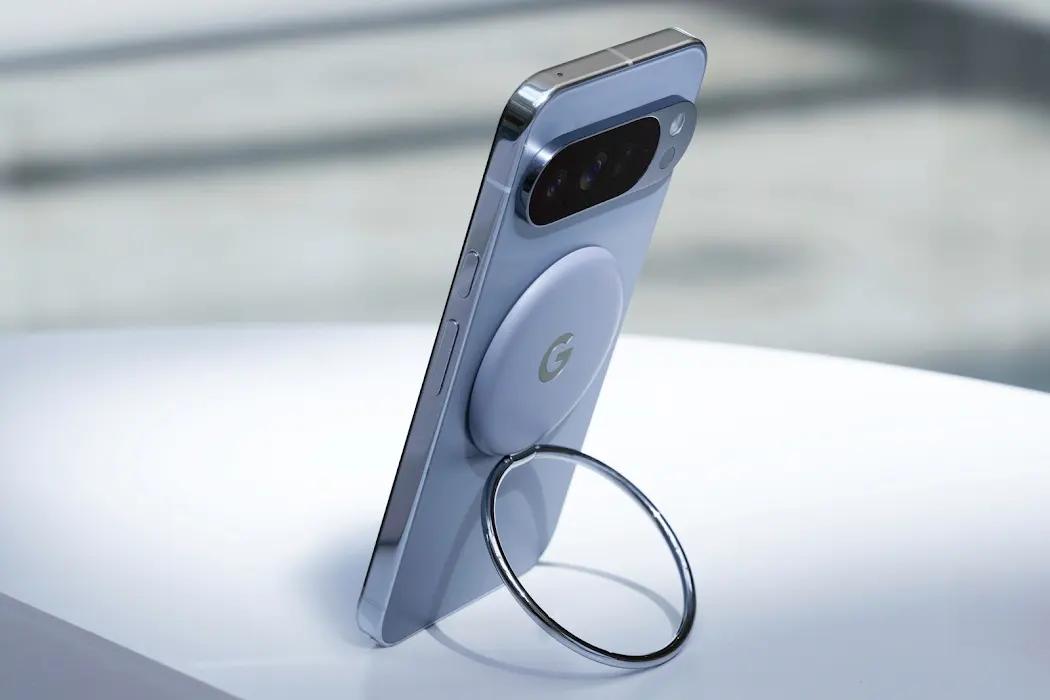
Core Insights - The discussion around "AI bubble theory" has gained traction among analysts, institutions, and even prominent figures like Sam Altman and Jeff Bezos, highlighting concerns over the rising capital and computational investments in AI without corresponding returns [1][2] - Apple, previously criticized for lagging in AI, is now being recognized for its cautious and steady approach, contrasting with competitors like Huawei, OPPO, and Google [1][2] Group 1: Google PAC Platform - Google announced its Private AI Compute (PAC) platform, aiming to create a private and useful AI, similar to Apple's Private Cloud Compute (PCC) introduced at WWDC24 [2][5] - PAC utilizes Google’s TPU and confidential computing infrastructure, ensuring that data remains encrypted and inaccessible even to Google’s engineers during processing [7][9] - The PAC platform enhances user experience on devices like Pixel 10 by providing contextual suggestions through features like Magic Cue, while maintaining privacy through hardware verification and task isolation [10][12] Group 2: Competitive Landscape - Other manufacturers, including OPPO and Huawei, are also developing their own end-cloud collaborative architectures to balance computational power and privacy [13][16] - OPPO has introduced a multi-tier model deployment strategy, including lightweight models on devices and larger models in the cloud, while also planning to create a private computing cloud in collaboration with public cloud services [15][16] - Huawei's HPIC platform extends privacy protection to the cloud, processing data without retaining original content, positioning it closer to Google's PAC in terms of capabilities [17][18] Group 3: Industry Trends - The trend towards "private AI" is becoming a standard in the industry, with major players recognizing the need for a balance between model performance and user privacy [19][20] - The shift initiated by Apple is influencing competitors, as they adapt their strategies to align with the emerging focus on privacy and secure AI processing [19][20]


智能监控新时代:陕西冠杰高精度光电转台 U 型架与云端协同引领变革
Sou Hu Cai Jing· 2025-08-18 04:08
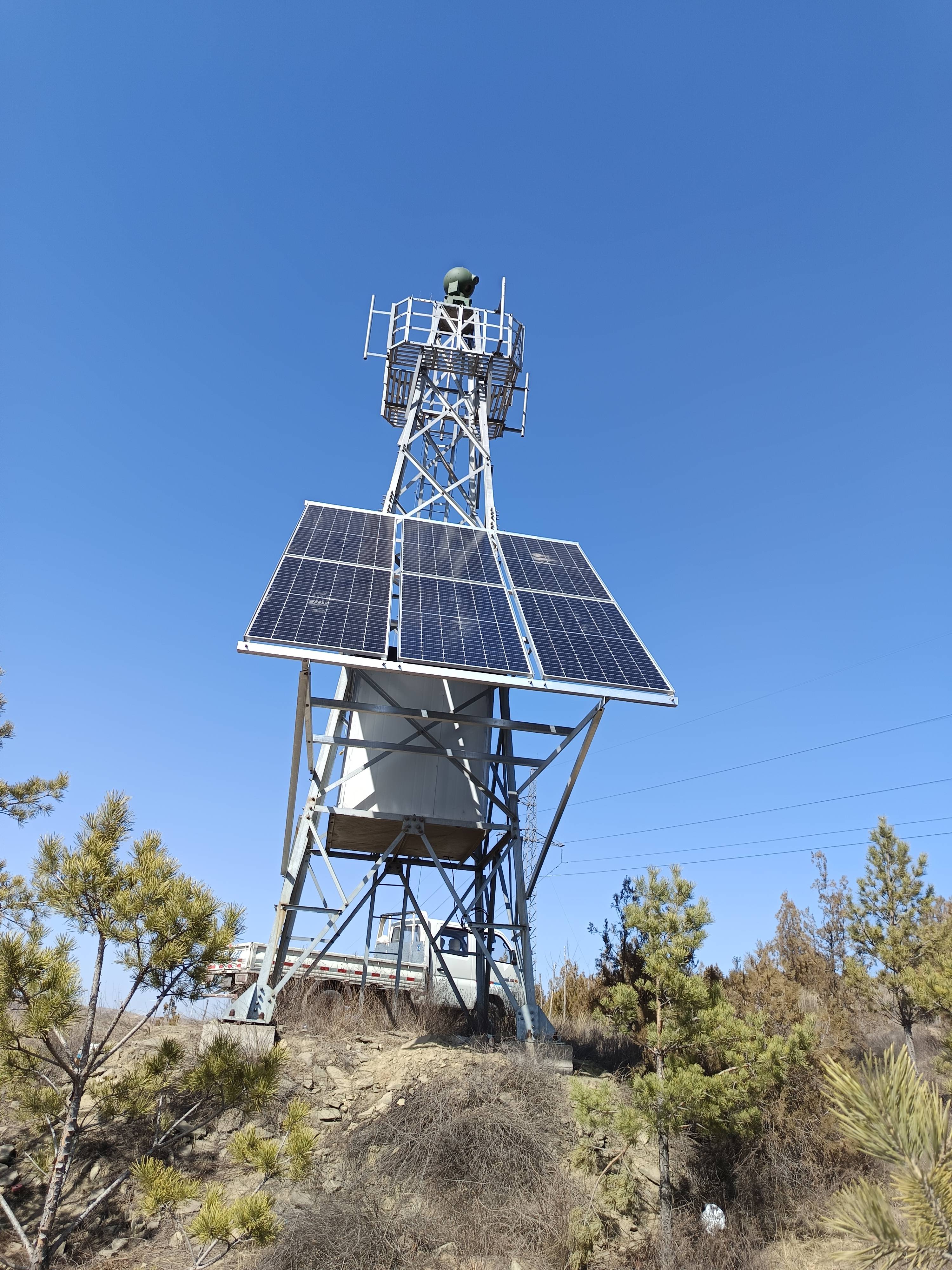
Core Viewpoint - The article highlights the advancement of intelligent surveillance systems through the integration of the U-shaped frame and cloud collaboration technology, redefining the security technology landscape and application paradigms in the industry [1]. Group 1: Hardware Innovation - The U-shaped frame serves as a precision backbone for front-end perception, providing high-quality data for cloud collaboration [1]. - The frame is made from aerospace-grade titanium alloy with a one-piece structure, achieving a machining precision of 0.001mm and maintaining a positioning error of less than 0.0005° during 360° rotation and ±90° pitch [1]. - This stability allows 4K dual-spectrum cameras to deliver clear images in extreme conditions, such as 8-level winds and temperatures as low as -40°C, capturing details like clothing textures from 3 kilometers away [1]. Group 2: Cloud Platform Capabilities - The cloud platform processes vast amounts of data collected by the U-shaped frame, capable of handling 100 parallel 4K video streams per second [4]. - It employs edge computing and cloud collaboration to achieve "layered intelligence," where front-end devices perform basic target recognition and only upload critical event segments, saving 70% bandwidth [4]. - The cloud utilizes deep learning algorithms for structured analysis of data, enabling real-time identification of vehicles and crowd density changes, thus enhancing response times [4]. Group 3: Monitoring Mode Innovations - The collaboration between the U-shaped frame and the cloud has led to three major innovations in monitoring modes: transitioning from passive recording to active defense, from single-point monitoring to full-area collaboration, and from manual judgment to intelligent decision-making [5]. - The system can predict potential risks and trigger alerts within 20 seconds when suspicious activity is detected [5]. - It creates a monitoring network covering 50 square kilometers, ensuring no blind spots even if one device fails, and improves analysis efficiency by 30 times compared to traditional methods [5]. Group 4: Industry Impact - The integration of hardware performance and cloud computing capabilities addresses traditional surveillance challenges, shifting the focus from post-event analysis to real-time intervention and preemptive warnings [5]. - This "end-cloud integration" model is reshaping industry standards and leading intelligent surveillance into a more efficient, safer, and smarter future [5].
两轮车换电BMS安全与智能运维“揭秘”
起点锂电· 2025-07-25 10:34
Core Viewpoint - The two-wheeled vehicle battery swapping industry is entering a growth phase driven by policy support and market demand, with lithium battery shipments expected to reach 9.3 GWh in 2024, a 4.5% year-on-year increase, and projected to grow to 10.1 GWh in 2025, an 8.6% increase [2]. Group 1: Industry Trends - The traditional charging model is insufficient for delivery riders and couriers who travel over 100 kilometers daily and use their vehicles for more than ten hours, leading to the rapid rise of the "swap for charge" model due to its efficiency and safety advantages [2]. - The core support for the battery swapping model lies in lithium battery safety management and efficient operations, with Battery Management System (BMS) technology being crucial for real-time monitoring and risk prediction [2][4]. Group 2: Technological Innovations - Youdan Technology has proposed an "iBMS + PaaS + SaaS" integrated lifecycle management system to address key pain points in battery safety control, operational efficiency, and asset value maximization [4]. - The hardware layer includes the F73 series iBMS products, which support 20 series battery management and provide customizable solutions to meet diverse needs, backed by strict quality control [4][5]. - The data layer focuses on a battery data platform that utilizes over 400 billion historical data points and 500 million real-time data points daily to create a multi-dimensional safety warning system [5]. Group 3: Operational Efficiency - The asset management platform offers real-time monitoring, intelligent operations, and comprehensive data analysis, enabling full lifecycle tracking of lithium batteries from production to retirement [5]. - The "end-cloud integration" smart management solution enhances battery lifespan, strengthens safety measures, and drives operational efficiency through remote monitoring and intelligent resource allocation [8]. Group 4: Industry Recognition - Youdan Technology has gained recognition in the industry, winning awards such as "Outstanding Battery Swapping Brand of the Year" and "2025 China Two-Wheeled Lithium Battery BMS Technology Leadership Brand" [11]. - The F7/E7 series iBMS has been deployed in various scenarios, managing hundreds of thousands of battery assets and collaborating with major battery swapping operators and manufacturers [11].
出海下半场的“风口”,就是AI创新
3 6 Ke· 2025-07-02 11:29
Core Insights - The globalization of Chinese enterprises is shifting from efficiency-driven to technology-enabled, with a focus on AI integration and product innovation [1][4][18] - The 2025 Alibaba Cloud Summit highlighted the importance of AI and cloud computing in the global expansion of Chinese companies, particularly in the cross-border e-commerce and consumer electronics sectors [1][4] Group 1: Industry Trends - Chinese companies are leveraging AI technology to enhance product capabilities and operational efficiency, marking a new phase in their globalization journey [1][4][12] - The collaboration between companies like Heewo and Alibaba Cloud exemplifies the integration of AI in educational technology, enhancing learning experiences through smart hardware [5][7] - Lazada, a leading cross-border e-commerce platform, is utilizing AI to improve logistics and user experience, demonstrating the critical role of AI in operational strategies [8][9] Group 2: Company Innovations - Anker, a successful smart hardware brand, is fully embracing AI across its product development and operational processes to redefine its brand and product categories [12][14] - JoggAI, a digital marketing service provider, is leveraging AI for content creation and customer engagement, showcasing the potential of AI in enhancing digital services for cross-border e-commerce [14][15] - The partnership between Alibaba Cloud and various companies is facilitating the development of a globalized infrastructure that supports AI applications, ensuring compliance and operational efficiency [16][17] Group 3: Infrastructure and Support - Alibaba Cloud's global infrastructure provides essential support for high-value technology exports, enabling seamless collaboration and consistent user experiences across borders [16][17] - The availability of AI tools and services from Alibaba Cloud allows companies to rapidly develop and deploy solutions tailored to local market needs, enhancing their competitive edge [17][18] - Compliance with international standards is a key focus for Alibaba Cloud, with over 150 certifications achieved to assist Chinese enterprises in navigating complex IT regulations abroad [17]
