
第三方估值

Search documents
告别估值“美颜”技术理财公司如何接住巨量到期高息存款
Zhong Guo Zheng Quan Bao· 2025-12-24 20:18
Core Viewpoint - The banking wealth management valuation rectification work is nearing completion, with most institutions having completed their tasks ahead of schedule. New third-party valuation tools are emerging in the industry, aiming to smooth net value fluctuations while maintaining compliance and applicability, which still need to be tested [1][2]. Group 1: Rectification Progress - Most wealth management companies have completed the valuation rectification tasks, focusing on minor details such as valuation calibration of inactive bonds and historical floating profit calculations [1]. - A specific wealth management company in the eastern region has formed a special team to ensure compliance with regulatory requirements, which directly impacts their future regulatory ratings [2]. - The regulatory focus includes rectifying improper valuation practices, such as using closing prices and self-built valuation models, requiring companies to adopt valuations from recognized institutions [2]. Group 2: Market Stability and Client Behavior - The overall market has remained stable during the rectification process, with no significant concerns about product redemptions or drastic declines in scale [2]. - There has been a structural change in the client base, with some clients returning to deposit markets due to difficulty adapting to net value fluctuations, while others are gradually accepting net value products [2]. - The proportion of R1 clients (lowest risk tolerance) has slightly decreased, while R5 clients (highest risk tolerance) have steadily increased, indicating a shift in risk appetite among investors [2]. Group 3: New Valuation Tools - New third-party valuation tools, such as the Zhongcheng Credit Index, are gaining attention as the industry seeks to manage net value fluctuations effectively [3]. - These tools aim to provide smoother reference valuation curves while adhering to the principles of fair value, differentiating themselves from previous net value smoothing tools [3][4]. Group 4: Future Challenges and Strategies - The industry anticipates challenges with the full net value transition in 2026, focusing on three core competitive dimensions: asset allocation diversity, precision in hedging tools, and depth in cross-market opportunities [5]. - A wealth management company has achieved over 100 basis points of excess returns through active trading strategies, despite a weak bond market, and is now looking to diversify into cross-border and equity assets [6]. - The impending maturity of approximately 30 trillion yuan in high-interest deposits by 2026 presents a significant opportunity for wealth management products, with a demand for stable products offering annual returns of 2.5%-3.5% [6].
沦为银行理财“打榜”工具?第三方估值争议再起
Di Yi Cai Jing Zi Xun· 2025-12-16 15:31
Core Viewpoint - The article discusses the ongoing transformation of bank wealth management products towards "true net value" amid regulatory pressures, highlighting the introduction of new third-party valuation tools and the resulting industry debate on their implications for fair value and investor protection [2][3][6]. Group 1: Regulatory Context - In December 2024, regulatory authorities mandated further standardization of bank wealth management product valuations, prohibiting practices like closing price adjustments and requiring comprehensive reforms by the end of 2025 [3]. - The regulatory changes aim to clarify boundaries for previously used technical methods that "modified" net value curves [3]. Group 2: Introduction of New Valuation Tools - Several wealth management subsidiaries are now exploring new third-party valuation tools, such as those provided by China Chengxin Index and China Bond Rating, to address the need for more stable valuations in the face of market volatility [3][4]. - The new valuation methods combine financial engineering, machine learning, and big data to balance short-term trading information with long-term credit value [3][4]. Group 3: Industry Perspectives - Supporters of the new valuation methods argue they can help mitigate cyclical fluctuations in the bond market and stabilize investor expectations, while critics express concerns about potential deviations from fair value and misuse for performance enhancement [2][6]. - The debate reflects the challenges faced by the banking wealth management sector as it deepens its transition towards true net value [2][8]. Group 4: Technical Features of New Valuation Methods - The new valuation approach emphasizes three key features: increasing the weight of actual transaction prices after significant monetary policy changes, selecting optimal credit-rated entities for curve construction, and using historical transaction prices to reduce the impact of short-term market sentiment [4][5]. - This method aims to provide a more accurate reflection of long-term value, particularly for long-term investment funds like bank wealth management and insurance capital [4]. Group 5: Risks and Concerns - There are concerns that the smoothing of valuations could lead to a disconnect from actual market prices, potentially being used for performance display and product ranking, which may mislead investors [6][7]. - The reliance on smoother valuations could create persistent price discrepancies between different valuation methods, leading to accumulated unrealized gains or losses [6]. Group 6: Future Outlook - The industry is expected to see a coexistence of multiple valuation sources, with a gradual move towards standardization and clearer regulatory guidelines for third-party valuation institutions [8]. - The dual impact of new valuation methods on investor rights is acknowledged, as they can stabilize market expectations while also potentially amplifying differences in returns among investors during market turning points [8].

沦为银行理财“打榜”工具?第三方估值争议再起
第一财经· 2025-12-16 14:16
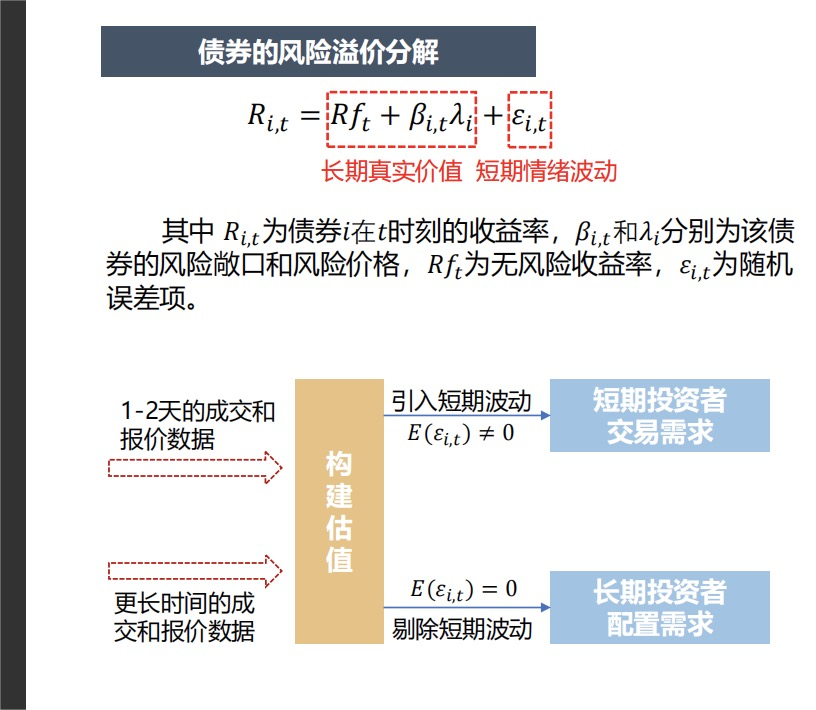
Core Viewpoint - The article discusses the ongoing transformation of bank wealth management products towards "true net value" amid regulatory pressures, highlighting the introduction of new third-party valuation tools to stabilize product net value curves and the resulting industry debates on their implications for fair value and investor protection [3][4][10]. Group 1: Regulatory Changes and Industry Response - In December 2024, regulatory authorities mandated stricter valuation practices for bank wealth management products, prohibiting methods like closing price adjustments and requiring full compliance by the end of 2025 [4]. - In response to regulatory pressures and market competition, some wealth management subsidiaries have begun exploring new third-party valuation tools, such as those provided by China Chengxin Index Company [4][5]. - The introduction of these new valuation methods aims to mitigate the impact of short-term market fluctuations on net value, thereby addressing the "negative feedback" risks associated with bond market volatility [5][9]. Group 2: Valuation Methodologies and Their Implications - The new valuation approach by China Chengxin Index Company separates yield into "long-term true value" and "short-term emotional fluctuations," allowing for a more stable valuation that aligns with long-term investment strategies [5]. - Critics argue that while smoothing techniques can reduce net value volatility, they may also lead to a disconnection from actual market prices, potentially being misused for performance display and product ranking [9][10]. - The reliance on traditional valuation methods like China Bond and China Securities has shown limitations, particularly in their dependence on immediate transaction data, which can amplify market volatility [6][10]. Group 3: Market Divergence and Future Outlook - There is a growing divide in the market regarding the use of new third-party valuation tools, with some advocating for their necessity in reflecting true asset values, while others caution against their potential to distort market perceptions [10][12]. - The article emphasizes the need for clear industry standards and regulatory guidance to define the reasonable boundaries of valuation techniques, ensuring they serve the purpose of fair value assessment without disrupting market order [10][12]. - The future landscape is expected to feature a coexistence of multiple valuation sources, gradually moving towards a more regulated framework that balances traditional and new valuation methods [13].

银行理财第三方估值再起争议,平滑波动还是偏离公允?
Di Yi Cai Jing· 2025-12-16 12:05
Core Viewpoint - The article discusses the ongoing transformation of bank wealth management products towards "true net value" amid regulatory pressures, highlighting the introduction of new third-party valuation tools and the resulting industry debate on their implications for fair value and investor protection [1][2][8]. Group 1: Regulatory Context - In December 2024, regulatory authorities mandated further standardization of bank wealth management product valuations, prohibiting practices like closing price adjustments and requiring comprehensive reforms by the end of 2025 [2]. - The regulatory changes aim to clarify boundaries for previously used technical methods that "modified" net value curves, reflecting a shift towards more transparent valuation practices [2][8]. Group 2: Introduction of New Valuation Tools - Several wealth management subsidiaries have begun adopting new third-party valuation tools from companies like China Chengxin Index and Zhongdai Credit Rating, which utilize multi-day transaction averages and credit factor modeling to reduce short-term market volatility [1][2]. - These new valuation methods aim to balance short-term trading information with long-term credit value, addressing the need for more stable net value curves in the face of market fluctuations [2][3]. Group 3: Industry Debate - The introduction of new valuation techniques has sparked a divide within the industry, with supporters arguing they help stabilize investor expectations, while critics express concerns over potential deviations from fair value and misuse for performance enhancement [1][5]. - Some industry insiders warn that excessive reliance on smoother valuation methods could lead to a disconnect between reported values and actual market prices, potentially harming investor interests [6][7]. Group 4: Valuation Methodology Critique - Traditional valuation methods like Zhongdai and Zhongzheng are criticized for their high dependency on immediate transaction data, which can amplify market volatility and lack flexibility in pricing inactive bonds [4][7]. - The debate emphasizes the need for diverse valuation sources to meet the varying demands of the market, particularly in a context where the credit bond market exceeds 50 trillion yuan, yet only a small percentage of bonds are actively traded [7][8]. Group 5: Balancing Fairness and Stability - The ongoing discussions around valuation techniques reflect the challenges faced by the bank wealth management sector as it transitions to a more mature phase, necessitating a balance between fair value representation and market stability [8]. - Future regulatory frameworks are expected to establish clearer standards for third-party valuation institutions, promoting a coexistence of traditional and new valuation methods while ensuring investor protection [8].
理财产品新“魔法”再起,第三方估值惹争议
2 1 Shi Ji Jing Ji Bao Dao· 2025-12-08 08:09
Core Viewpoint - The article discusses the ongoing challenges and changes in the valuation methods of bank wealth management products, particularly focusing on the adoption of third-party valuation models and the implications for market competition and investor fairness [1][2][3]. Group 1: Regulatory Changes and Compliance - Regulatory authorities have mandated that bank wealth management products must not use methods like closing price adjustments or self-built valuation models to smooth net value fluctuations, with a deadline for compliance set for the end of 2025 [1]. - Many wealth management subsidiaries have completed the required adjustments to their valuation techniques as the deadline approaches [1]. Group 2: Adoption of Third-Party Valuation Models - Some wealth management subsidiaries have started using new third-party valuation methods provided by companies like China Chengxin Index and Zhongdai Credit Rating, which are seen as a way to stabilize product net values [1][4]. - There is a divide among industry professionals regarding the effectiveness and credibility of these new valuation models, with concerns about their simplicity and potential compliance issues [1][2]. Group 3: Market Competition and Investor Fairness - The use of third-party valuations may lead to asset yield manipulation for "ranking" products, raising concerns about fairness among investors and the potential for valuations to deviate from fair market value [2][3]. - Wealth management companies feel pressured to adopt these new valuation methods to remain competitive, especially when peers are achieving higher yields [2][3]. Group 4: Performance and Risk Management - In the first three quarters of the year, wealth management products generated a total of 568.9 billion yuan in returns for investors, highlighting the importance of maintaining competitive performance [3]. - There are calls for better regulation of sales channels and clearer communication of investment strategies to prevent misleading performance displays that could harm investor trust [3]. Group 5: Characteristics of New Valuation Models - The new valuation methods emphasize the importance of long-term value and aim to reduce the impact of short-term market fluctuations, which is beneficial for long-term investors like banks and insurance funds [7][9]. - The valuation models from China Chengxin and Zhongdai Credit Rating are designed to provide more stable estimates, particularly during extreme market conditions, to prevent panic selling and valuation distortions [11][12]. Group 6: Concerns Over Misuse and Market Dynamics - There are concerns that the smoothing techniques used in these new valuations could lead to significant deviations from fair value, especially if overused for competitive advantage [16][19]. - The article highlights the potential for "ranking" products to mislead investors, as high yields may not be sustainable and could lead to unfair treatment between new and existing product holders [17][18].
21独家|理财产品新“魔法”再起,第三方估值惹争议
2 1 Shi Ji Jing Ji Bao Dao· 2025-12-08 08:09
Core Viewpoint - The article discusses the ongoing challenges and changes in the valuation methods of bank wealth management products, particularly focusing on the introduction of third-party valuation models and the implications for the industry [1][5][12]. Group 1: Regulatory Changes and Industry Response - Regulatory authorities have mandated that by the end of 2025, all bank wealth management products must rectify their valuation methods, prohibiting practices like using closing prices for smoothing net value fluctuations [1][3]. - Many wealth management subsidiaries have completed the required adjustments to their valuation techniques, but concerns remain about the adequacy and credibility of new third-party valuation models being adopted [1][2][3]. Group 2: Third-Party Valuation Models - Recent trends show that some wealth management subsidiaries are utilizing new third-party valuation methods provided by companies like China Chengxin Index and Zhongdai Credit Rating, which aim to stabilize product net values [1][5][12]. - These third-party models are seen as a way to mitigate net value fluctuations, but there are concerns about their simplicity and the potential for misrepresentation of fair value [2][3][12]. Group 3: Market Competition and Performance Pressure - There is a competitive pressure within the industry, where some wealth management firms feel compelled to adopt these new valuation methods to avoid losing market share, despite potential regulatory risks [2][3][14]. - The need for high returns in a competitive market has led to the creation of "high-yield" products that may not be sustainable, raising concerns about fairness among investors [15][19]. Group 4: Valuation Methodology and Market Impact - Valuation methods can be categorized into cost and market value approaches, with third-party valuations being increasingly favored for their perceived stability [4][6]. - The reliance on average transaction prices over extended periods is intended to smooth out volatility, but this approach may lead to significant deviations from fair market value [12][13][17]. Group 5: Industry Trust and Long-Term Viability - The industry faces a critical challenge in maintaining investor trust while navigating the pressures of performance and regulatory compliance [3][19]. - There is a call for unified standards in investment management to prevent "bad money driving out good," ensuring that high-yield products do not mislead investors [3][19].