算力散热

Search documents
金田股份:公司铜产品已广泛应用于新能源汽车等领域
Zheng Quan Ri Bao Zhi Sheng· 2025-12-04 14:08
Core Viewpoint - The company, Jintian Co., has highlighted the extensive application of its copper products in various sectors, including new energy vehicles, clean energy, communication technology, electrical power, semiconductor chips, and heat dissipation for computing power [1] Group 1: Product Applications - Copper is recognized for its excellent conductivity and thermal properties, making it a core material in advanced AI industry chip interconnections and computing power heat dissipation [1] - The company's high-precision, non-oxygen copper busbar products are utilized in several top-tier cooling module companies' high-end GPU cooling solutions globally [1] Group 2: Market Focus and Strategy - The company will closely monitor and follow the market demand in the chip computing power sector to further enhance its product lineup and improve competitive advantages [1]

全球算力散热结构件行业应用领域市场份额细分调查2025年调研数据
QYResearch· 2025-08-08 09:40
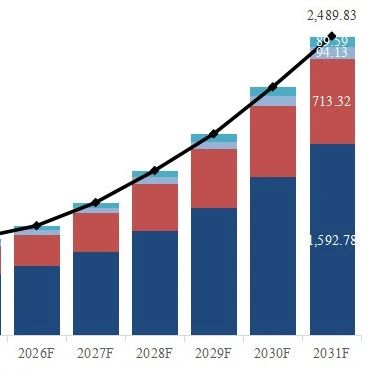
Core Viewpoint - The global market for computing heat dissipation structural components is projected to reach $2.489 billion by 2031, with a compound annual growth rate (CAGR) of 20.4% in the coming years [2]. Market Overview - The computing heat dissipation structural components are essential for high-performance devices such as AI servers and GPU acceleration cards, providing mechanical support and thermal conduction paths [2]. - The materials and processes used in these components, such as copper alloys and aluminum carbide, directly influence the heat dissipation efficiency and reliability of computing devices [2]. Market Segmentation Server Sector - The server sector holds the largest market share for computing heat dissipation structural components, specifically designed to manage heat from high-performance computing chips [8][9]. - Liquid cooling technology is becoming mainstream due to its efficiency, with cold plate liquid cooling leading in deployment, while immersion cooling is seen as a long-term direction [10]. Consumer Electronics - In consumer electronics, these components are designed to manage heat from high-performance chips in devices like smartphones and laptops, with a focus on lightweight and high-performance requirements [13]. - Innovations include the use of graphene films and heat pipes, with a trend towards integrated and intelligent cooling systems [13]. Communication Equipment - For communication devices, the components are tailored to ensure stable operation of high-density equipment like 5G base stations, utilizing advanced materials and liquid cooling technologies [16]. - The market is evolving towards smaller, more efficient designs, with liquid cooling technologies replacing traditional air cooling [16]. Other Applications - Beyond the main sectors, computing heat dissipation structural components are also applicable in automotive computing, industrial computers, and medical devices, addressing the unique thermal management needs of these environments [19]. - Trends include lightweight designs and integration with battery thermal management in automotive applications, as well as noise reduction in medical devices [20].