
管辖权异议

Search documents
因被告对管辖权提出异议 ST新华锦涉及股权纠纷案开庭日推迟
Xi Niu Cai Jing· 2026-01-07 11:33
Group 1 - ST Xinhua Jin announced on January 7 that a court case involving defendants Wang Liyang and Ke Yi has been postponed due to a jurisdictional appeal filed with the Qingdao Intermediate People's Court [2] - The company’s subsidiary, Shanghai Lizhi Industrial Co., Ltd., failed to meet its 2023 performance commitments, leading to a lawsuit against Wang Liyang and Ke Yi for cash compensation [4] - On December 3, 2025, ST Xinhua Jin received a court summons for a case set to be heard on January 7, 2026, regarding a dispute over equity transfer [4] Group 2 - As of the half-year report disclosure date in 2025, non-operational fund occupation by Xinhua Jin Group and its affiliates amounted to 406 million yuan, which must be returned within six months of receiving the administrative corrective measures notice [6] - ST Xinhua Jin has faced multiple legal issues, including the judicial freezing of shares held by its controlling shareholder and potential delisting risk warnings [7] - The company’s subsidiary, Shandong Xinhua Jin Textile Co., Ltd., is involved in a lawsuit with a disputed amount of 26.8 million yuan related to equity transfer, and its 75% stake in Qingdao Hengfu has been judicially frozen [8]


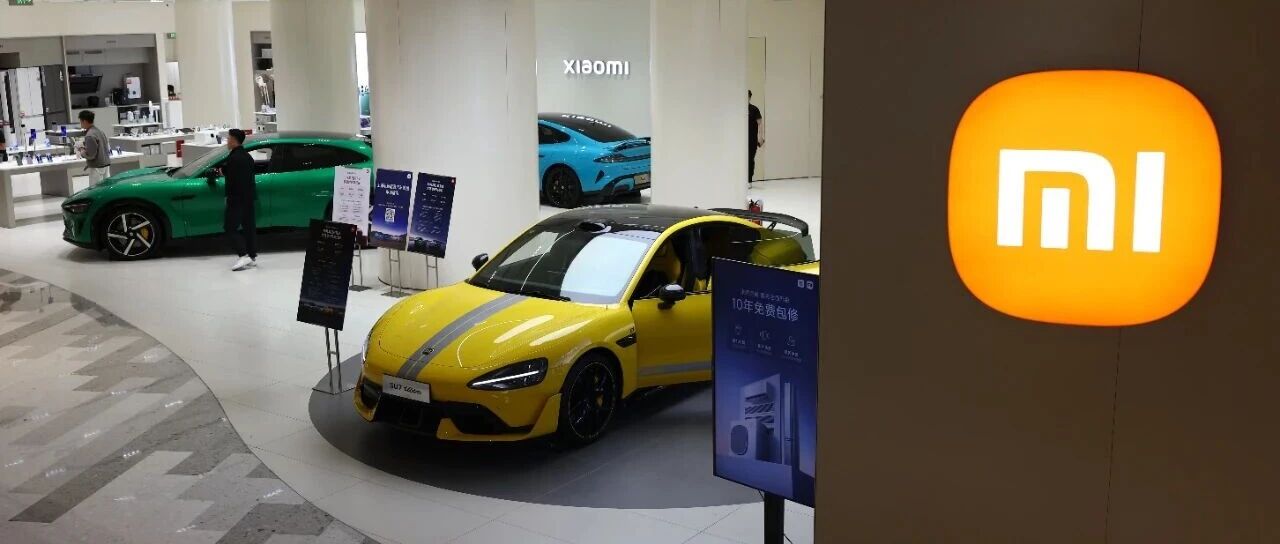
小米的管辖权异议,困住了退定维权的消费者
第一财经· 2025-12-04 04:09
Core Viewpoint - The article discusses the ongoing legal disputes faced by consumers who pre-ordered Xiaomi's vehicles, particularly the YU7 and SU7 Ultra models, highlighting issues related to delayed delivery times and alleged misleading advertising practices [3][5][9]. Group 1: Consumer Complaints and Legal Actions - Consumers have formed multiple groups to seek refunds and legal recourse due to long delivery times, with some cases already leading to lawsuits against Xiaomi [4][5]. - The primary reasons for these complaints include unclear delivery timelines, pressure to pay remaining balances without vehicle inspection, and a decline in brand trust [5][6]. - A notable case resulted in a court ruling against Xiaomi, declaring that the clause requiring payment before vehicle inspection was invalid, leading to a refund of the deposit [7][9]. Group 2: Legal Proceedings and Challenges - The legal process for consumers has been slow, with many cases still in the material review stage and Xiaomi frequently contesting jurisdiction, which delays proceedings [9][10]. - Consumers have reported that Xiaomi's strategy of raising jurisdictional objections has significantly prolonged the litigation process, as these objections must be resolved before cases can proceed to trial [10][12]. - The article notes that Xiaomi's legal structure complicates the situation, as different entities are responsible for various aspects of the sales process, leading to confusion over which entity consumers should sue [13][14]. Group 3: Implications of Jurisdictional Objections - The use of jurisdictional objections as a litigation strategy is criticized as a potential abuse of legal rights, aimed at delaying proceedings rather than addressing the substantive issues at hand [12][15]. - Legal experts suggest that while jurisdictional objections can be legitimate, their frequent use by Xiaomi raises concerns about the efficiency of the judicial process and consumer rights [15][16]. - The article emphasizes the importance of consumers being aware of contract details, particularly regarding delivery timelines and terms that may limit their rights [17].

小米的管辖权异议,困住了退定维权的消费者
Di Yi Cai Jing· 2025-12-04 03:45
Core Viewpoint - Xiaomi is facing significant consumer backlash and legal challenges regarding its car delivery timelines and contractual obligations, leading to numerous lawsuits and claims for refunds from customers who feel misled by the company's practices [1][3][5]. Group 1: Consumer Complaints and Legal Actions - Hundreds of consumers are involved in lawsuits against Xiaomi, primarily concerning the delayed delivery of the Xiaomi YU7 and SU7 Ultra vehicles, with many cases experiencing slow progress in the judicial system [1][6]. - Consumers have reported issues with the ordering system, including problems with identity verification and unexpected long delivery times, leading to dissatisfaction and calls for refunds [2][3]. - The main reasons for the lawsuits include unclear delivery timelines, demands for payment before vehicle inspection, and perceived false advertising regarding vehicle availability [3][4][5]. Group 2: Legal Proceedings and Challenges - Despite a recent court ruling in favor of a consumer regarding Xiaomi's demand for payment before vehicle delivery, many other cases remain unresolved, with Xiaomi frequently contesting jurisdiction in these lawsuits [4][6][8]. - Xiaomi's strategy of raising jurisdictional objections has been criticized as a tactic to delay proceedings, with reports indicating that this has led to extended waiting periods for consumers seeking resolution [7][9][12]. - The complexity of Xiaomi's corporate structure, with multiple entities involved in sales and delivery, complicates the legal landscape for consumers trying to assert their rights [10][11]. Group 3: Implications for Xiaomi - The ongoing legal issues and consumer dissatisfaction could potentially harm Xiaomi's brand reputation and consumer trust, especially as more cases emerge across various regions in China [5][6]. - The company's approach to handling consumer complaints and legal challenges may lead to increased scrutiny from regulatory bodies and could impact future sales and customer relations [9][12].