
肠粉

Search documents
在潮汕的烟火气里读懂年
Xin Lang Cai Jing· 2026-02-27 03:59
Core Viewpoint - The article explores the deep emotional connection of the Chaoshan people to their hometown through food and cultural traditions, particularly during the Spring Festival, highlighting how these elements evoke a sense of belonging and nostalgia for those who have moved away [3][4][5][6][7][8] Group 1: Culinary Traditions - The anticipation of traditional dishes, such as rice rolls, symbolizes the longing for home among the Chaoshan diaspora [3] - The significance of food during the Spring Festival is emphasized, with specific dishes like braised goose and beef balls representing cultural heritage and family gatherings [4] - The article illustrates how the taste of familiar foods can instantly evoke feelings of homecoming and connection to one's roots [4][8] Group 2: Cultural Practices - The practice of "Bai Laoye" (worshiping the deity) on New Year's Eve is described as a solemn yet vibrant tradition that connects families to their ancestors and local deities [5] - The "Yingge Dance" and the "Ying Laoye" ceremony are highlighted as lively expressions of Chaoshan culture, showcasing the community's fervor and collective spirit during the New Year celebrations [6] - Traditional opera remains a popular form of entertainment during the Spring Festival, demonstrating the enduring appeal of cultural heritage among all age groups [7] Group 3: Emotional Resonance - The article conveys how the sensory experiences of food, dance, and rituals create a profound sense of belonging and identity for the Chaoshan people [8] - The narrative emphasizes that traditions are not merely historical artifacts but living practices that continue to shape the community's identity and emotional landscape [8]


海棠路的烟火气
Xin Lang Cai Jing· 2026-02-11 00:11
Core Viewpoint - The article highlights the significance of Haitang Road in Zhanjiang, showcasing its historical and cultural importance as a vibrant food and social hub, despite its seemingly ordinary appearance today [1][2]. Group 1: Historical Significance - Haitang Road was once a popular area in the 1990s, attracting many residents and contributing to the bustling atmosphere of the surrounding commercial districts [2]. - The area has transformed over the years, with notable landmarks like the Jinli Shopping Mall and the World Trade Building marking its historical prominence [2]. Group 2: Culinary Appeal - The road is renowned for its diverse food offerings, including famous fish soup and various local delicacies that draw both locals and visitors [1]. - Breakfast spots and food stalls along Haitang Road are consistently busy, indicating a strong local demand for its culinary options [1]. Group 3: Community and Social Interaction - Haitang Road serves as a meeting point for people from different backgrounds, fostering a sense of community among residents and visitors alike [2]. - The area remains a vital part of daily life for many, with its shops and eateries continuing to attract regular patrons [2].
广西城市治理巧施“平衡术” 让烟火更有滋味
Zhong Guo Xin Wen Wang· 2026-02-06 01:41
Group 1 - The core viewpoint emphasizes the balance between urban management and the need for street vendors, highlighting the "tide point" model as a solution to reconcile public order with local economic needs [1][2] - The implementation of 103 "tide points" and 18 external guidance points has created job opportunities for 1,348 families in Beihai City, showcasing a structured approach to urban management [1] - The night market and local cuisine are significant attractions for tourists in Liuzhou, contributing to the local economy and enhancing the city's appeal [1] Group 2 - Liuzhou's urban management strategy avoids a one-size-fits-all approach, instead opting for tailored solutions that include guiding some restaurants to transition to non-oily businesses to reduce pollution [2] - The introduction of online oil fume monitoring devices and a smart city management platform has improved the efficiency of urban governance, allowing for rapid issue resolution [2] - The establishment of 46 convenience guidance points reflects a successful governance model that balances regulation with the preservation of local culture and street life [2] Group 3 - The concept of "smoky atmosphere" is recognized as an essential characteristic of cities, representing cultural heritage and the daily lives of ordinary people, which should be integrated into urban planning [3] - Healthy and orderly "smoky atmosphere" is seen as a treasure that embodies local customs and craftsmanship, contributing to the region's attractiveness and emotional value [3] - The shift towards refined urban management is highlighted as a response to past urbanization practices, focusing on enhancing existing urban spaces rather than extensive redevelopment [3]
美食“引”客、体验“留”客 “早餐经济”为消费增长注入活力引擎
Yang Shi Wang· 2026-01-03 07:59
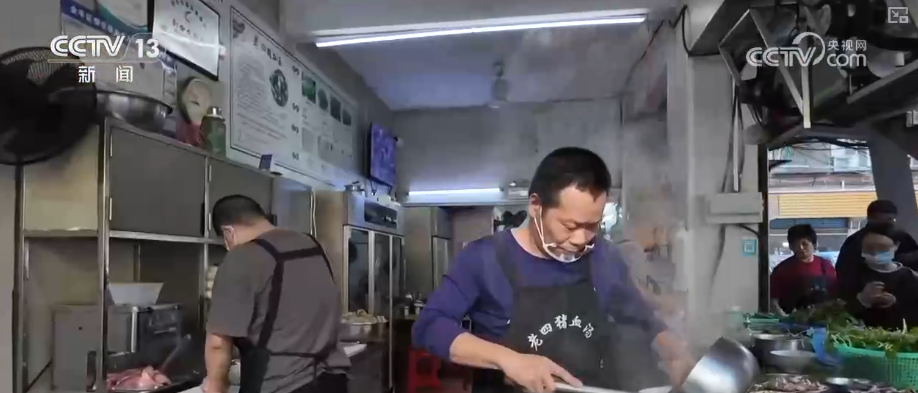
Core Insights - Breakfast culture in Shantou is highlighted as a vital aspect of local life, showcasing the city's culinary diversity and cultural richness [1] - The development of unique breakfast offerings and consumption scenarios has been observed in various regions, with Shantou being a prime example due to its emphasis on fresh ingredients and traditional flavors [1] Group 1: Breakfast Offerings - Shantou's breakfast scene features a variety of dishes, including pig blood soup, rice rolls, and traditional snacks like "guo zhi" [5][11] - The preparation of pig blood soup involves slow-cooked broth from various bones, emphasizing the local belief in the medicinal properties of food [3] - "Guo zhi" is made from freshly ground rice paste, served with marinated meats and rich sauces, showcasing the importance of fresh ingredients in local cuisine [7][9] Group 2: Culinary Techniques - The making of rice rolls (肠粉) is a meticulous process that requires precise ratios of rice flour and water, adjusted based on weather conditions to ensure optimal texture [21][23] - The flavor of rice rolls is enhanced by a carefully prepared sauce made from pork bones and various spices, highlighting the depth of culinary craftsmanship in Shantou [27][29] Group 3: Tourism and Economic Impact - The integration of food and tourism in Shantou has transformed breakfast into a significant driver of local economic growth, attracting visitors and enhancing cultural experiences [31][40] - The local government has invested in creating vibrant food streets and cultural landmarks, which have become popular destinations for both tourists and locals [35][39] - In the first three quarters of 2025, Shantou is projected to receive over 50 million tourists, generating more than 60 billion in tourism revenue, reflecting a 13% growth rate [40]
蛋炒饭好吃的秘诀找到了!科学家揭秘
Xin Lang Cai Jing· 2025-12-28 00:57
Group 1 - The article discusses the scientific principles behind common cooking techniques, such as using cold rice for fried rice, which enhances the texture and prevents clumping due to the molecular structure of starch [1][5] - It highlights the role of molecular physics in everyday cooking, explaining how the manipulation of molecular chains affects food preparation, such as the elasticity of noodles and the process of kneading dough [5][3] - The article also draws a connection between seemingly unrelated materials, such as cling film and bulletproof vests, both made from polyethylene, showcasing the versatility of molecular physics in material science [7] Group 2 - The insights provided by Wu Qi, a molecular physicist, reveal that cooking is not just an art but also a science, where understanding molecular interactions can lead to better culinary results [1][5] - The discussion emphasizes the importance of molecular structure in food preparation, indicating that traditional cooking wisdom is rooted in scientific principles [5][3] - The article suggests that knowledge of molecular physics can extend beyond cooking to other fields, such as the restoration of ancient texts, which relies on understanding the properties of paper fibers [5]

最忆湛江年
Xin Lang Cai Jing· 2025-12-22 23:27
Core Viewpoint - The article highlights the unique cultural and culinary experiences of celebrating the Spring Festival in Zhanjiang, a coastal city in southern China, contrasting it with the colder climate of the author's hometown in Hunan [1][4]. Group 1: Cultural Experience - Zhanjiang's Spring Festival is characterized by a blend of Cantonese culture, Leizhou customs, and maritime features, creating a distinctive festive atmosphere [3]. - The lively market scene during the festival showcases a variety of traditional goods, including fresh seafood, fruits, and festive snacks, contributing to the local flavor of the celebration [2][3]. Group 2: Culinary Highlights - The local delicacies, such as rice rolls and grilled oysters, are emphasized as must-try dishes, reflecting the region's culinary heritage [2][3]. - The bustling seafood market is a focal point, with fresh catches like crabs, shrimp, and oysters, illustrating the abundance of local marine resources [2]. Group 3: Community and Festivities - Traditional activities, such as the "You Shen" folk event, involve community participation and are marked by vibrant sounds of drums and firecrackers, enhancing the festive spirit [3]. - The article describes the overall atmosphere of celebration that extends from the lunar month to the New Year, highlighting the communal joy and cultural significance of the festivities [3].
看得见、吃现做、更安心,“明厨亮灶”撬动餐饮消费信任升级
Bei Jing Ri Bao Ke Hu Duan· 2025-10-07 13:58
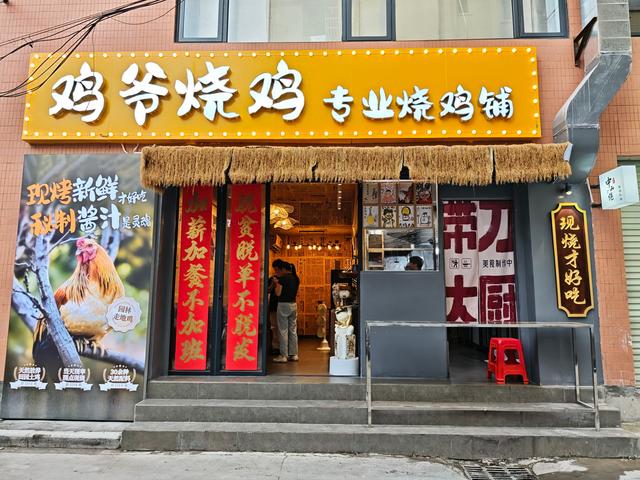
Core Viewpoint - The implementation of the "Transparent Kitchen" initiative in Guangzhou has significantly influenced consumer behavior, leading to increased trust and sales in restaurants that adopt this transparency model [1][3][4]. Group 1: Consumer Behavior - Tourists and locals are increasingly checking the cleanliness and cooking practices of restaurants through apps before dining, indicating a shift towards prioritizing food safety and quality [1]. - The "Transparent Kitchen" feature allows consumers to view live feeds of restaurant kitchens, enhancing their confidence in food safety and preparation [3]. Group 2: Restaurant Performance - The "Chicken Master" restaurant experienced a surge in sales during the National Day holiday, with daily sales exceeding 100 chickens, attributed to the implementation of the "Transparent Kitchen" [3]. - The "Jiaxiangyuan Stone Mill Rice Noodle" restaurant also reported increased sales, benefiting from the visibility provided by the "Transparent Kitchen" feature [3]. Group 3: Industry Initiatives - A collaboration between China Telecom Guangdong and Meituan has led to the development of a client application that enables real-time monitoring and management of restaurant kitchens, promoting the "Transparent Kitchen" initiative [4]. - As of mid-September, over 300,000 merchants and 6,000 chain stores have participated in the "Transparent Kitchen" program, indicating widespread adoption across the industry [4].
中国最好吃的夜市在哪里?带上这份“地图”逛吃起来
Yang Shi Xin Wen· 2025-09-23 22:21
Core Insights - The article highlights the vibrant night market culture in China, coinciding with the eighth "Chinese Farmers' Harvest Festival" on September 23, showcasing a variety of local delicacies across different regions [1] Group 1: Night Market Highlights - Changsha's Yangfan Night Market features crayfish sold by weight and stinky tofu paired with sweet oil cakes, creating a unique "Yangfan Energy Package" [2] - Chengdu's Sanse Road Night Market is a trendy hub where cultural creativity and food coexist, catering to both culinary and aspirational desires [3] - Qingdao's Taidong Walking Street Night Market offers seafood barbecues alongside packaged beer, fulfilling both romantic and culinary cravings [4] - Wuhan's Hubu Alley Night Market is a gathering place for traditional "Han flavor" snacks like hot dry noodles and bean skin, with a picturesque view of the Yangtze River [5] - Guangzhou's Baohua Road Night Market serves Cantonese-style late-night snacks, including rice rolls and fish skin, exploring the culinary legends of these dishes [6] - Kunming's Shuangqiao Night Market features cross-bridge rice noodles and Dai-style barbecue, rich in ethnic flavors and lively performances [7] - Harbin's Shida Night Market is known for its iron pot stew and Matier ice cream, representing the Northeast's night economy [8] - Hangzhou's Wulin Night Market combines the vibrancy of a digital city with the charm of West Lake, providing a relaxing atmosphere after a long day [9] Group 2: Night Economy Growth - The night economy in China has seen significant growth, with a market size approaching 2 trillion yuan, indicating a robust consumer interest in nighttime activities [12] - The peak consumption hours for night markets have shifted from 8 PM to 10 PM to a broader range from 6 PM to midnight, reflecting changing consumer habits [11] - Small-scale night markets are emerging as increasingly popular new business formats, contributing to the growth of experiential consumption spaces [11] Group 3: Meat Industry Insights - The meat industry, particularly lamb, plays a central role in the night market experience, with significant trading activity observed in Gansu's meat sheep market, where over 10,000 sheep are traded daily [19] - In Hebei's Tang County, a comprehensive meat sheep industry chain is being developed, encompassing breeding, fattening, slaughtering, and cold chain logistics [23] - The cold chain technology ensures rapid delivery of processed lamb products to major markets like Beijing and Tianjin within approximately 90 minutes [25] - The meat sheep industry in Tang County supports nearly 100,000 jobs, with an average annual income increase of over 30,000 yuan per person [27]

食用15克可致死!这种添加剂“潜伏”多种食品,4招教你辨别
Qi Lu Wan Bao· 2025-07-31 02:41
Core Viewpoint - The article highlights a case in Zhuzhou, Hunan, where a rice noodle shop was found to be illegally adding borax to its products, posing significant health risks to consumers [3][6]. Group 1: Incident Overview - The Zhuzhou police received reports about a rice noodle shop potentially adding borax to its dishes, leading to an investigation [3]. - The shop owner admitted to using borax for over a year to enhance the texture and sales of the rice noodles, despite knowing it was prohibited [3][6]. - The owner has been taken into criminal custody for producing and selling toxic and harmful food [3]. Group 2: Health Risks of Borax - Borax, chemically known as sodium tetraborate, is banned from food products due to its toxic nature [5][6]. - Ingestion of borax can lead to severe health issues, including digestive problems, weight loss, and acute poisoning symptoms such as diarrhea and vomiting [6]. - The toxic dose for adults is between 1 to 3 grams, while 15 grams can be fatal; for infants, as little as 2 to 5 grams can be lethal [6]. Group 3: Common Practices and Detection - The illegal addition of borax is prevalent in various food items, including pork, rice dumplings, and noodle products, to enhance freshness and texture [8]. - Borax is inexpensive, costing around 5 yuan for 500 grams, making it attractive for unscrupulous vendors [8]. - Consumers can identify borax-laden foods by observing unusual brightness, feeling for a sticky texture, and using pH test strips [8].
广东396家商户登上“必吃榜”位列全国第一
2 1 Shi Ji Jing Ji Bao Dao· 2025-07-08 08:48
Core Insights - The article emphasizes that food is a vital representation of a city, with the "City Food Card" becoming a new driving force for local consumption as the public embarks on a "taste-seeking journey" [1] Group 1: Award Ceremony and Restaurant Statistics - The 2025 "Must-Eat List" award ceremony covered Guangdong, Hainan, and Fujian provinces, featuring 551 restaurants, with over 70% being local eateries and more than 30% being over 10 years old [1] - A total of 3,091 restaurants from 144 cities and regions made it to the list, with Yangjiang and Jieyang in Guangdong making their debut [1] Group 2: Consumer Experience and Trends - Local eateries are focusing on enhancing consumer experience, with a notable increase in traffic expected after being listed, projected to rise by 30%-40% during the summer [2] - In Guangdong, 396 merchants were listed, making it the province with the highest number of listed restaurants, with over 70% being local eateries and nearly 35% being over 10 years old [2] Group 3: Scene-based Consumption - There is a clear trend towards scene-based consumption in the restaurant industry, with higher order growth in parks, scenic spots, hotels, and shopping malls, while residential areas see stable or declining consumption [4] - The "Must-Eat List" reflects a growing diversity in local culinary culture, with nearly 60% of the listed merchants being city-specific, showing a year-on-year growth of nearly 30% [5] Group 4: Marketing and Future Initiatives - Dazhong Dianping plans to launch the third "Must-Eat Festival" in July, investing significant marketing resources to stimulate consumption in all listed cities, with additional award ceremonies planned in Shenyang, Chongqing, and Xi'an [5]