
精神传承

Search documents
新春走基层|印象故乡④冻土层下,北国春韵
Xin Lang Cai Jing· 2026-02-18 00:15
Core Perspective - The article presents a thematic exploration of the Chinese New Year in rural Northeast China, emphasizing the emotional connections to home and family through photography, poetry, and AI interpretations [1][24]. Group 1: Photography and Artistic Expression - Photographer Zhao Zhi is creating a visual narrative of Northeast China, focusing on two series: "Xing'an Families" and "Cangmin Houchi - Beidacang," which reflect the region's history and the resilience of its people [13][29]. - The series captures the interplay between urban and rural life, highlighting the changes in the landscape and the emotional ties to the land [29]. - The integration of poetry with photography aims to deepen the understanding of the cultural significance of the New Year celebrations and the connection to the land [1][24]. Group 2: Cultural Significance of the New Year - The New Year is portrayed as a vital emotional season that strengthens bonds between families and communities, serving as a reminder of the warmth and love inherent in rural life [24][26]. - The article emphasizes the enduring traditions of the Northeast, such as the vibrant celebrations and the communal spirit that characterize the New Year festivities [15][24]. - The narrative reflects on the historical context of the region, linking past struggles and achievements to the present-day celebrations and the ongoing spirit of perseverance among the people [24][32]. Group 3: Technological Influence - The article discusses the role of AI in interpreting and enhancing the understanding of cultural and emotional themes present in the photography and poetry [1][32]. - AI is seen as a tool that captures the essence of human emotions and traditions in the digital age, bridging the gap between past and present experiences [1][32]. - The use of technology in documenting and sharing these cultural narratives highlights the evolving nature of storytelling in contemporary society [1][32].

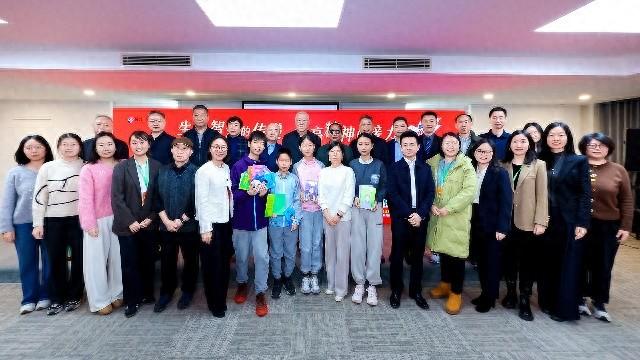
“接力书信集”重启,史光柱说“这是跨越时空的情感对话与精神接力”
Xin Lang Cai Jing· 2026-01-10 11:13
Core Viewpoint - The "New Relay Letter Collection" aims to bridge the communication between generations and pass on the valuable spiritual wealth of outstanding figures in the new era to inspire children with ideals and spiritual strength [5][7]. Group 1: Publication Overview - The "New Relay Letter Collection" is a continuation of the original "Relay Letter Collection" published in 1987, which included letters exchanged between revolutionary figures, scientists, and children, reflecting the thoughts and feelings of children in the 1980s [3]. - The new collection features letters from notable figures such as Jin Bo, Cao Wenxuan, Liu Xingshi, and others, sharing their growth stories and life reflections with children [5]. Group 2: Thematic Innovation - The collection is described as an innovative thematic publication that emphasizes content innovation through formal creativity, aiming to strengthen the spiritual foundation for youth [7]. - It is designed to engage children aged 8 to 14, focusing on elements of child-friendliness, interest, and modernity [9]. Group 3: Personal Impact Stories - Historical figures like Shi Guangzhu, who contributed to the original collection, emphasize that both the original and new collections serve as emotional dialogues and spiritual connections across time [11]. - Personal anecdotes from readers, such as Chen Ling, illustrate the profound impact of these letters on their lives, highlighting the transformative power of the messages shared [13]. Group 4: Development Process - The publication process for the "New Relay Letter Collection" involved extensive efforts, including collaboration with 21 schools across 13 provinces and engaging over 2,900 students in online dialogues [15]. - The design process for the book cover included five rounds of revisions, ultimately selecting the current design from 35 proposals [15].
为少年儿童成长点亮精神之灯
Xin Lang Cai Jing· 2025-12-30 20:11
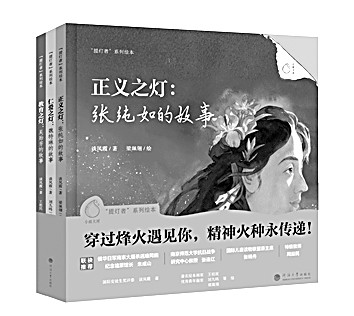
Core Viewpoint - The "Lamp Bearer" series of picture books aims to convey important values such as perseverance, compassion, and justice through the life stories of three remarkable women, highlighting their contributions during times of national crisis and human suffering [4][6]. Summary by Sections Overview of the Series - The "Lamp Bearer" series includes three books focusing on the stories of Wu Yifang, Wei Te-lin, and Zhang Chunru, who exemplify spiritual resilience in the face of adversity [3][4]. - The series combines historical authenticity with children's cognitive understanding, aiming to instill values in young readers through detailed narratives [4][6]. Individual Stories - Wu Yifang's life story emphasizes her commitment to education as a means of national salvation, showcasing her resilience and dedication during tumultuous times [4][5]. - Wei Te-lin is portrayed as a symbol of humanitarianism, providing shelter during the Nanjing Massacre, illustrating the warmth of compassion across borders [4][5]. - Zhang Chunru's pursuit of truth in history highlights the importance of justice, as she brings overlooked historical narratives to light, demonstrating the power of steadfastness [4][5]. Artistic Expression - The series emphasizes the integration of narrative and visual art, enhancing the cultural and intellectual depth of the works [5][6]. - The authors and illustrators employ various artistic styles to reflect the characters' inner spirits, creating a cohesive visual language that complements the storytelling [5][6]. Educational Impact - The "Lamp Bearer" series transcends mere biographical storytelling, achieving a harmonious blend of historical education, character development, and cultural transmission [6][7]. - The stories aim to connect children with national history and human civilization, fostering an understanding of ideals, compassion, and justice through engaging narratives [6][7]. Philosophical Underpinning - The series embodies the philosophy of remembering the past while moving forward, encouraging young readers to recognize the significance of individual contributions to collective history [7].
“145181”,欢迎归队!
Xin Lang Cai Jing· 2025-12-26 15:55
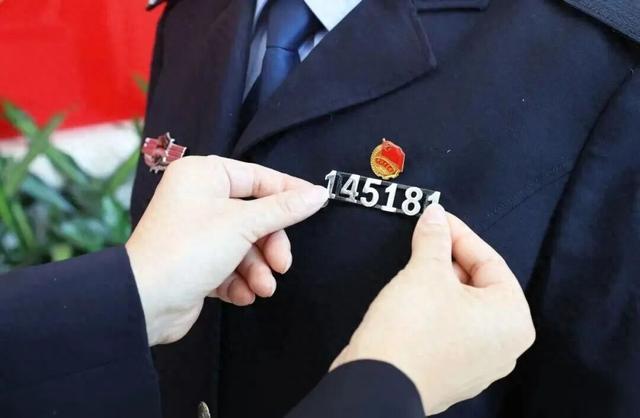
Core Viewpoint - The article highlights the emotional journey of Lin Ruoxi, who inherits her father's police badge "145181" and dedicates her career to honoring his legacy as a police officer after his tragic death in a car accident [3][4][12]. Group 1 - Lin Ruoxi decided to follow in her father's footsteps by enrolling in a police academy after his death, seeking answers to her childhood confusion about his profession [6]. - After graduating in June 2024, Lin Ruoxi proudly joined the police force at the same bureau where her father served, becoming a "post-00s" police officer [8]. - A solemn badge reactivation ceremony was held on December 20, symbolizing the spiritual inheritance between Lin Ruoxi and her father [10][13]. Group 2 - During the ceremony, Lin Ruoxi expressed her commitment to cherish the honor of being a police officer and to carry on her father's legacy with pride [15]. - The badge "145181" not only represents a continuation of life but also signifies the transmission of faith and values from one generation to the next [15][16].
烽火弦歌处,文脉永赓续
Xin Lang Cai Jing· 2025-12-25 22:30
Core Viewpoint - The documentary "The Cultural Resistance in the Anti-Japanese War" highlights the historical significance of Lizhuang, a town in Yibin, Sichuan Province, which welcomed scholars during the war, showcasing a spirit of cultural resilience and national duty [1][2][3]. Group 1: Historical Context - Lizhuang opened its doors to over ten universities and research institutions, including Tongji University and the Central Research Institute, during a time of national crisis, reflecting a commitment to cultural preservation [1]. - The documentary emphasizes the mutual support between scholars and local residents, where scholars not only conducted research but also educated the local populace, fostering a spirit of cooperation [2]. Group 2: Cultural Resilience - The documentary portrays the dedication of scholars who, despite lacking advanced facilities, continued their work in challenging conditions, thus preserving Chinese culture [2]. - Notable figures such as Fu Sinian and the couple Liang Sicheng and Lin Huiyin are depicted as embodying the scholarly spirit, working tirelessly under difficult circumstances to contribute to cultural heritage [2]. Group 3: Legacy and Modern Relevance - The documentary connects historical events to contemporary Lizhuang, where the town's cultural heritage is preserved and celebrated, serving as a base for patriotic education and cultural exhibitions [3][4]. - The spirit of Lizhuang transcends its historical context, symbolizing mutual support in times of crisis and the responsibility of cultural transmission to future generations [3][4].
华东空管局培训中心开展管制新员工思想政治作风培训
Zhong Guo Min Hang Wang· 2025-12-24 06:35
Core Insights - The training program for new air traffic control employees focuses on enhancing their political responsibility and professional ethics, aiming to instill a strong sense of mission and value in their roles [1][2] Group 1: Training Program Overview - The East China Air Traffic Management Bureau organized a specialized training for new air traffic control employees, emphasizing the need for political and ethical education [1] - The training covers various aspects including integrity, safety, political awareness, confidentiality, and quality culture, providing a comprehensive empowerment classroom for new employees [1] Group 2: Inspirational Sharing - The training featured a guest speaker, Liu Yiqing, the first generation female air traffic controller, who shared her experiences from over half a century in the field, highlighting the importance of the profession [2] - Liu emphasized that air traffic control is not merely a job but a responsibility to ensure the safety of the skies, urging new employees to value their roles and the safety of millions [2]
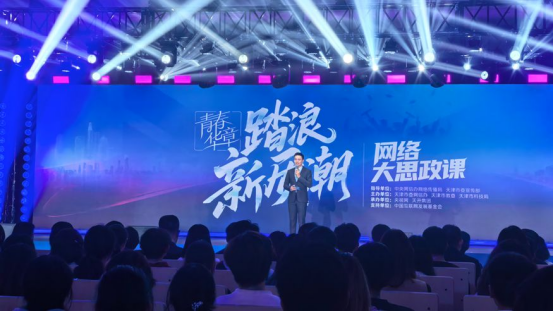
青春华章·踏浪新质潮丨承先辈之志 赴科技之约 大思政课点燃青春梦想
Xin Hua She· 2025-11-23 13:36
Core Viewpoint - The event "Youth Chapter: Riding the New Quality Tide" emphasizes the importance of spiritual inheritance and the mission of the younger generation in contributing to national development through innovation and scientific research [1][6]. Group 1: Event Overview - The event took place on November 21 in Tianjin, featuring a dialogue between young individuals and images of older scientists, highlighting the quest for knowledge and the spirit of dedication [2]. - The event included a significant moment where the son of scientist Yu Min passed on his father's spirit of dedication to the youth, symbolizing the legacy of older generations [2]. Group 2: Technological Innovations - The event showcased a series of cutting-edge technological achievements from Tianjin, including interactive robots and brain-computer interface demonstrations, reflecting the city's vibrant innovation landscape [4]. Group 3: Youth Engagement and Responsibility - Young professionals from various fields shared their experiences of integrating personal ideals with national development, emphasizing that the responsibility of youth is to apply their research for the betterment of the country [6]. - The event illustrated the transition from the steadfastness of older scientists to the innovative spirit of the younger generation, reinforcing the value of spiritual inheritance in contemporary society [6].
国家使命淬炼为青春信仰
Zhong Guo Qing Nian Bao· 2025-11-18 23:01
Core Viewpoint - The exhibition "Mission Not Forgotten, Youth and Rivers" at Beijing Language University showcases the contributions of 183 faculty and students in supporting the 80th anniversary of the victory in the Chinese People's Anti-Japanese War and the World Anti-Fascist War, highlighting their training, growth, and dedication [1][2][9]. Group 1: Event Overview - The exhibition features three main modules: "Time Corridor" narrative boards, "Glorious Imprints" exhibit display, and "Immersive Space" interactive experience [1]. - A total of 183 participants were selected, with 81 joining the choir and 102 serving as volunteers [2]. Group 2: Training and Preparation - The university established a dedicated task force and efficient command system immediately upon receiving the task [2]. - The selection process emphasized quality, assessing students' political awareness, professional skills, and physical fitness [2]. - Training included four months for the choir and two months for volunteers, focusing on systematic skill development [2]. Group 3: Personal Experiences - Participants shared their emotional experiences during training and performances, emphasizing the historical significance of their roles [3][6]. - The training process fostered a sense of responsibility and teamwork among volunteers, enhancing their emergency response and coordination skills [7]. Group 4: Exhibition Highlights - The "Glorious Imprints" section features thoughtfully designed volunteer gear, showcasing the attention to detail in meeting various service needs [4]. - The exhibition includes various identification badges representing different roles and responsibilities, highlighting the volunteers' commitment to safety and organization [5]. Group 5: Future Initiatives - The university plans to extend the educational impact of the event through a series of initiatives, including a speaking team, a commemorative exhibition, and a series of micro-class sessions [8].
特写:修复“为人民服务”飞行地标为何令人动容
Xin Hua She· 2025-11-10 15:47
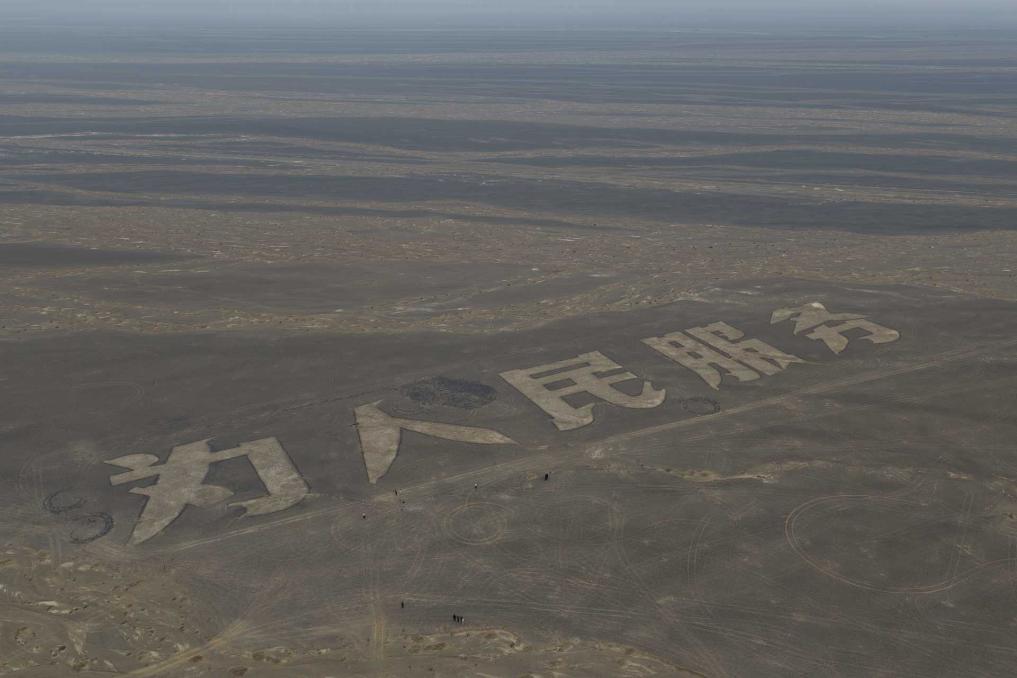
Core Points - A recent video has sparked discussions about large flight landmarks inscribed in the Gobi Desert during the 1960s, revealing a long-hidden story [1] - The landmarks, including "Serve the People," were created by the People's Liberation Army's Eighth Aviation School for pilot training navigation [5] Group 1 - The flight landmarks were originally inscribed using simple tools like measuring tapes and shovels, serving as crucial navigation references for pilots in an area lacking ground markers [5] - The restoration of the landmark was initiated by a social media influencer, Lu Yao, who was moved by the damage caused by vehicle tracks and decided to restore it with the help of friends [2][3] - The restored landmark has been recognized as a county-level cultural heritage site, ensuring its protection and proper utilization in the future [7] Group 2 - The original pilots from the Eighth Aviation School reminisced about their training days and expressed admiration for the restoration efforts, highlighting the emotional connection to the landmarks [7] - The phrase "Serve the People" has become a symbol of dedication and commitment among generations of pilots, representing a shared mission and spirit [7]
不可磨灭的精神印记(纵横)
Ren Min Ri Bao· 2025-10-23 22:29
Core Points - The incident involving the "Serve the People" landmark in Xinjiang's Hami City has sparked widespread social attention due to its recent damage caused by a vehicle drifting [1] - The local forestry and grassland bureau has initiated an investigation and imposed administrative penalties on those responsible for the damage [1] - A group of young people traveled over 2000 kilometers to repair the landmark, which has touched many netizens [1] Historical Significance - The landmark carries a unique memory of the Chinese Air Force, established in the 1960s to assist pilots in navigating the vast Gobi Desert [1] - The original construction of the landmark involved flight instructors and students using shovels to create giant inscriptions that served as navigation aids [1] - The spirit of perseverance and dedication from that era continues to inspire future generations, reflecting the struggles and achievements of the past [1] Cultural Reflection - The restoration of the landmark by young individuals represents a heartfelt reflection on history and a continuation of its spirit [2] - Historical relics serve as tangible carriers of spirit and living history textbooks, emphasizing the collective responsibility of society to protect historical memories [2] - Preserving historical sites allows future generations to draw inspiration and insights from the past [2]