终端品牌供应商化

Search documents
索尼退场,日本电视全军覆没
芯世相· 2026-01-23 08:41
Core Viewpoint - Sony's decision to form a joint venture with TCL for its home entertainment business marks a significant shift in the global television market, indicating Japan's exit from the competitive landscape of television manufacturing [4][9]. Group 1: Sony's Strategic Move - Sony will transfer its television business and the BRAVIA brand to a joint venture with TCL, with TCL holding a 51% stake, effectively rebranding Sony's television operations [4]. - The move reflects Sony's lack of display panel production capabilities, which limits its profit margins in the television sector, relying instead on LG and TCL for panel supply [4][9]. - Sony's television market presence has been minimal, often categorized under "others" in market share rankings, and its television segment has historically underperformed compared to its other business units like CIS chips and gaming [4][9]. Group 2: Implications for the Japanese Market - The partnership signifies the end of Japan's independent television brands, as major players like Sharp, Toshiba, and Panasonic have either exited or significantly downsized their television operations [9][10]. - The historical context shows that since 2010, Japanese electronics companies have been selling off their consumer electronics divisions, with Sony's television business being the latest casualty [11][16]. - The decline of Japanese brands in the television market is attributed to their loss of panel production capabilities, which has led to a diminished ability to control pricing and market presence [20][26]. Group 3: The Rise of Chinese and Korean Competitors - TCL's acquisition of Sony's television business is positioned to enhance its competitive stance against Samsung, leveraging Sony's brand equity alongside its own manufacturing capabilities [9]. - The shift in market dynamics has seen Chinese and Korean companies dominate the display panel production, with significant investments leading to a loss of market share for Japanese firms [22][25]. - The transition from Japanese dominance in the television market to a landscape where Chinese and Korean manufacturers hold the majority of panel production capabilities illustrates a broader trend of technological and market leadership shifting eastward [20][29].


索尼退场,日本电视全军覆没
3 6 Ke· 2026-01-23 00:36
Core Viewpoint - Sony has announced a joint venture with TCL to manage its home entertainment business, with TCL holding a 51% stake, effectively transferring Sony's television operations and the BRAVIA brand to TCL, marking a significant shift in the consumer electronics market [1][5]. Group 1: Sony's Strategic Shift - Sony lacks display panel production capabilities, which are crucial for maximizing profits in the television market, relying on LG and TCL for panel supply and Mediatek for picture quality chips [1]. - Sony's television market presence is minimal, consistently ranking in the "others" category, and its television segment is less profitable compared to its other businesses like CIS chips, gaming, and music [1][5]. - The move signifies Sony's exit from the competitive global television market, following a trend where Japanese brands have been selling off their consumer electronics divisions [5][7]. Group 2: TCL's Positioning - For TCL, acquiring Sony's brand equity is a strategic asset that, combined with its own panel production capabilities, positions it to challenge Samsung's dominance in the global market [5]. - TCL is currently the only domestic television brand in China with display panel production capabilities, which is essential for maintaining competitive pricing and product quality [18][27]. Group 3: Decline of Japanese Brands - The exit of Sony marks the end of Japan's independent television brands, with other major players like Sharp, Toshiba, and Panasonic also having exited or significantly downsized their television operations [5][15]. - The decline of Japanese television brands is attributed to their loss of panel production capabilities, which has resulted in a lack of pricing power in the market [16][23]. - The financial crisis of 2008 and subsequent strategic missteps led to a shift in focus for Japanese companies from consumer electronics to higher-margin components, further diminishing their presence in the television market [7][12][13].




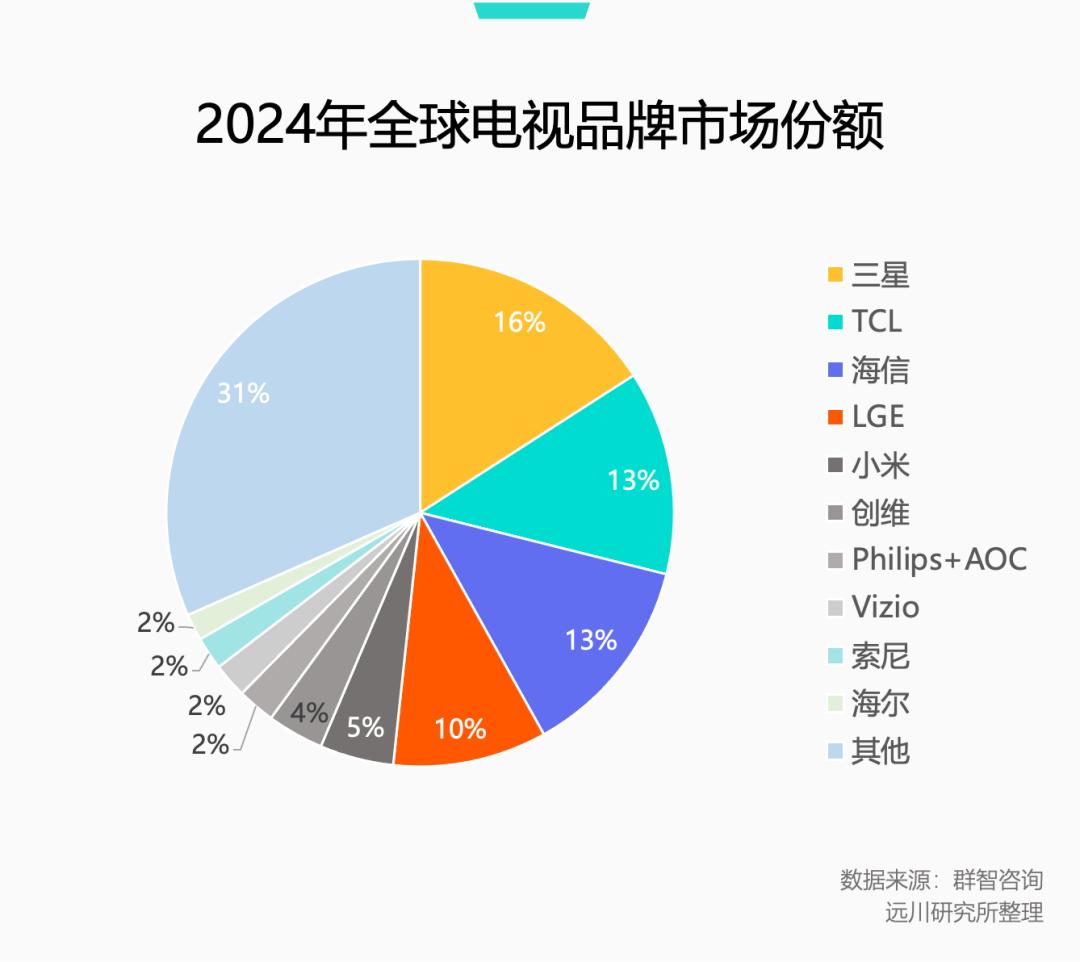
索尼退场,日本电视全军覆没
远川研究所· 2026-01-22 13:17
Core Viewpoint - Sony's decision to form a joint venture with TCL for its home entertainment business marks a significant shift in the global television market, indicating the complete exit of Japanese companies from the competitive landscape of television manufacturing [4][10]. Group 1: Sony's Strategic Move - Sony will transfer its television business and the BRAVIA brand to TCL, with TCL holding a 51% stake in the new joint venture [4]. - This move reflects Sony's inability to produce display panels, which are crucial for profitability in the television market, relying instead on LG and TCL for panel supply [4][10]. - Sony's market share in the global television sector has been consistently low, often categorized under "others," indicating a lack of competitive presence [5][10]. Group 2: TCL's Positioning - For TCL, acquiring Sony's brand equity is a strategic advantage, allowing it to leverage its panel production capabilities to challenge Samsung's dominance in the global market [9]. - TCL is currently the only domestic television brand in China with display panel production capabilities, positioning itself uniquely in the industry [25]. Group 3: Decline of Japanese Brands - The exit of Sony signifies the end of an era for Japanese television brands, which have been in decline since the 2010s, with major players like Sharp and Toshiba also having sold their television businesses [10][13]. - The loss of panel production capabilities has been a critical factor in the decline of Japanese brands, as they have lost pricing power and market relevance [29]. - The shift in focus for Japanese companies has been towards higher-margin components rather than low-margin consumer electronics, reflecting a strategic pivot in response to competitive pressures [16][17]. Group 4: Historical Context - The rise and fall of Japanese television brands can be traced back to their initial dominance in the 1990s, where they controlled over 90% of the global market, primarily due to their advanced panel production technologies [20]. - The financial crisis of 2008 and subsequent strategic missteps led to significant losses for these companies, prompting a reevaluation of their business models [15][16]. - The transition from being manufacturers of consumer electronics to component suppliers has been a common theme among Japanese firms, as they adapt to the changing landscape of the electronics industry [29].