经济放缓担忧

Search documents
美国1月劳动力市场现分化 就业增长大幅降温
Xin Hua Cai Jing· 2026-02-04 14:15
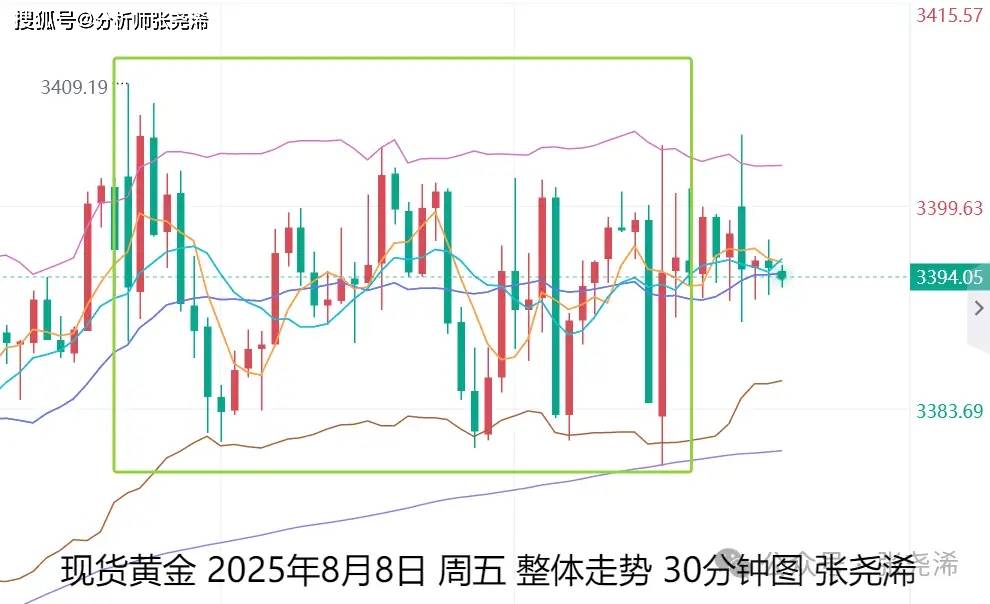
Group 1 - The core point of the article highlights a notable divergence in the U.S. labor market, with a slowdown in job growth but resilient wage increases, indicating structural differences across industries, regions, and company sizes [1][2][3] Group 2 - In January, the U.S. private sector added only 22,000 jobs, a significant slowdown from the revised previous value of 37,000 [2] - The education and health services sector saw a notable increase of 74,000 jobs, while professional and business services, manufacturing, and information sectors experienced declines of 57,000, 8,000, and 5,000 jobs respectively [2] - The Midwest region showed the strongest growth with an increase of 25,000 jobs, while the South and West regions combined saw a decrease of 21,000 jobs [2] - Medium-sized enterprises (50-499 employees) were the only contributors to job growth, adding 41,000 jobs, while large enterprises (500+ employees) cut 18,000 jobs, and small enterprises saw no net growth [2] Group 3 - Wage resilience is evident, with the median annual salary for job stayers increasing by 4.5% year-on-year, maintaining the same growth rate as the previous month [2] - Salary growth for job switchers slightly slowed to 6.4%, but remains significantly higher than for job stayers, indicating ongoing opportunities for wage increases through job changes [2] - Salary growth is relatively balanced across industries, with financial activities and manufacturing leading with increases over 5%, while information sector growth remains above 4% [2] - Company size is a key factor in salary growth, with large enterprises seeing a 5.0% increase for job stayers, medium enterprises at 4.7%-4.8%, and the smallest enterprises (1-19 employees) at only 2.5% [2] Group 4 - Market analysis indicates a shift in the U.S. labor market from a "quantity shortage" to "cost pressure," with persistent wage pressures despite the slowdown in job growth [3] - The rigidity of wages in large enterprises may support core service inflation, leading to mixed market expectations regarding the Federal Reserve's policy direction [3] - Stable wage growth could delay interest rate cuts, while weak job growth raises concerns about economic slowdown [3]

张尧浠:金价多头动力减缓、震荡调整后仍待向上攀升
Sou Hu Cai Jing· 2025-08-11 00:13
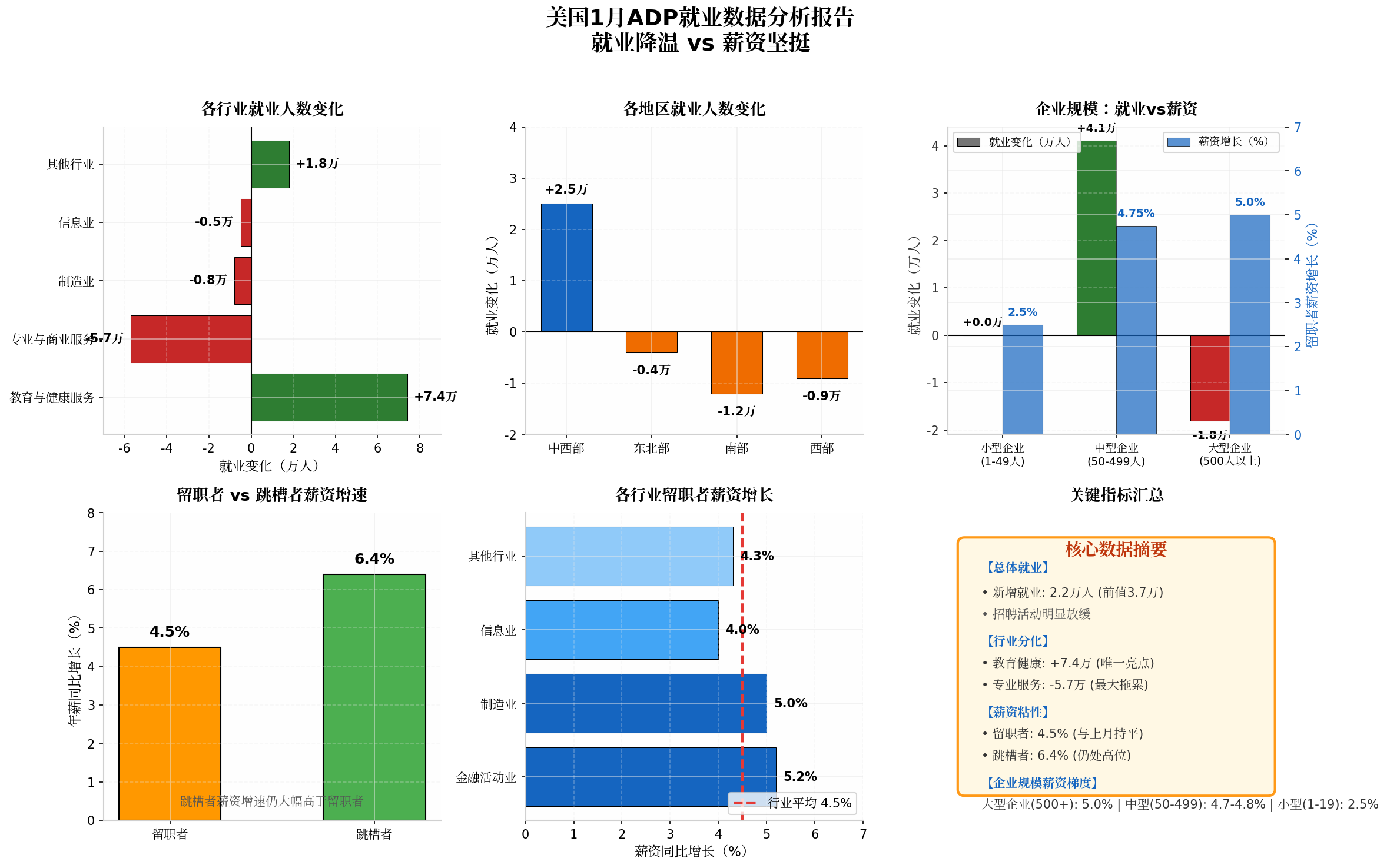
Core Viewpoint - The gold market is experiencing a period of upward movement after a recent rebound, but the bullish momentum is slowing down, leading to continued fluctuations and adjustments in price [1][3]. Market Performance - International gold prices opened at $3366.90 per ounce, reached a weekly low of $3344.88, and peaked at $3408.23 before closing at $3397.90, marking a weekly increase of $35.44 or 1.05% from the previous week's close of $3362.46 [1]. - The weekly price fluctuation was $63.35, indicating significant volatility in the market [1]. Influencing Factors - The market is facing resistance from profit-taking, but there is still buying support due to concerns over tariffs and the Federal Reserve's potential interest rate cuts [3][6]. - The Trump administration clarified that imported gold would not be subject to tariffs, which initially boosted gold prices but later led to a reduction in bullish momentum [3]. - The upcoming U.S. CPI data is expected to show rising inflation, which could lower interest rate cut expectations, negatively impacting gold prices [5]. Federal Reserve Outlook - The Federal Reserve's recent meeting maintained interest rates, but there is a growing expectation for multiple rate cuts by the end of the year, with some officials advocating for cuts as early as September [6]. - Economic concerns, including weak employment data, have heightened expectations for rate cuts, which could support gold prices [6]. Technical Analysis - Monthly charts indicate that gold prices have not reached new highs for three consecutive months, suggesting potential risks of a decline to $3000 or even $2600 [8]. - However, as long as prices remain above the 5-month moving average, there is potential for a rebound and new highs [8]. - Weekly charts show that gold prices are currently supported by previous upward trend lines, indicating a likelihood of upward movement after adjustments [10]. Short-term Strategy - The immediate focus for gold prices is on the support levels around $3384 or $3371, with resistance at $3405 or $3415 [12].