
经济调控

Search documents
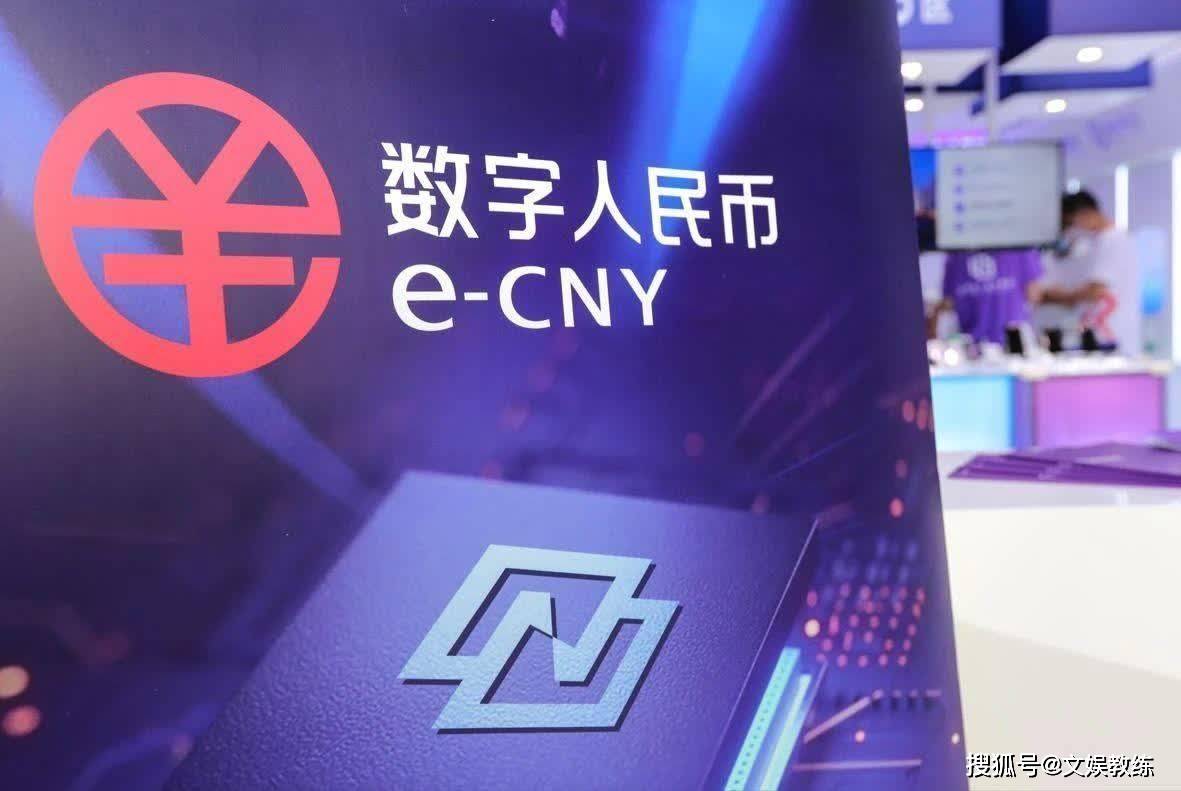
数字人民币时代来临:揭秘2026年金融革命,重塑你的钱包和生活!
Sou Hu Cai Jing· 2026-01-01 21:40
Core Viewpoint - The official launch of the digital renminbi on January 1, 2026, marks a significant milestone in China's financial development, transitioning from a trial phase to a fully integrated payment method in daily economic life [1]. Group 1: Definition and Characteristics - The digital renminbi is a state-issued currency with the same legal status as physical cash, fundamentally different from speculative cryptocurrencies like Bitcoin [3]. - It operates as a digital wallet linked to bank accounts, allowing users to access their funds directly, which can also accrue interest [3]. Group 2: Strategic Importance - The digital renminbi is designed to enhance financial stability and prepare for potential future risks, ensuring that basic economic transactions can continue even in extreme situations, such as natural disasters [4]. - It provides a new payment channel that reduces reliance on Western-dominated payment systems, enhancing China's position in global trade and finance [5]. Group 3: Economic Management Tool - The digital renminbi's programmable features allow for more effective government subsidies, ensuring funds reach their intended targets without loss through intermediaries [7]. - It can protect consumer rights through smart contracts, ensuring that funds are only released under specific conditions, thus preventing fraud [7]. Group 4: Integration with Existing Systems - Digital renminbi will coexist with existing payment platforms like WeChat and Alipay, enhancing their functionality by allowing transactions directly from digital wallets [8]. - It features a controllable anonymity design, protecting user privacy during small transactions while enabling regulatory oversight for serious crimes [9]. Group 5: Societal Impact - The digital renminbi will facilitate smarter management and resource allocation, allowing the government to better understand market dynamics and consumer needs [11]. - It aims to enhance financial security for individuals, preventing fraud and theft while promoting better personal financial management through its features [11].


今年上半年杭州用电量走出“微笑曲线”
Mei Ri Shang Bao· 2025-07-22 03:00
Group 1 - The overall electricity consumption in Hangzhou reached 50.325 billion kilowatt-hours in the first half of the year, reflecting a year-on-year growth of 6.2%, indicating a stable economic growth trend in the city [1] - The electricity consumption curve showed a "smile" shape, with rapid growth in the first three months, followed by a slowdown in April due to trade friction, and a significant recovery in May and June with growth rates of 7.4% and 14.5% respectively [1] - High-tech manufacturing sectors demonstrated significant electricity consumption growth, while traditional manufacturing industries are undergoing technological upgrades to improve efficiency, leading to a more rational industrial structure [2] Group 2 - The electricity consumption in the tertiary industry reached 17.891 billion kilowatt-hours, with a year-on-year increase of 9.9%, driven by the digital economy, particularly in information transmission, software, and IT services, which grew by 15.7% [2] - The industrial sector's total electricity consumption was 21.71 billion kilowatt-hours, showing a year-on-year growth of 2.6%, with notable increases in the instrument manufacturing, computer, communication, and electronic device manufacturing, and biopharmaceutical sectors [2] - The wholesale and retail industry, along with the real estate sector, maintained double-digit year-on-year growth in electricity consumption, reaching 13.1% and 11.8% respectively, indicating a strong recovery in consumer market activity [2]