
美伊核争端

Search documents
美伊举行谈判之际,伊朗部分关闭霍尔木兹海峡
Xin Lang Cai Jing· 2026-02-17 14:53
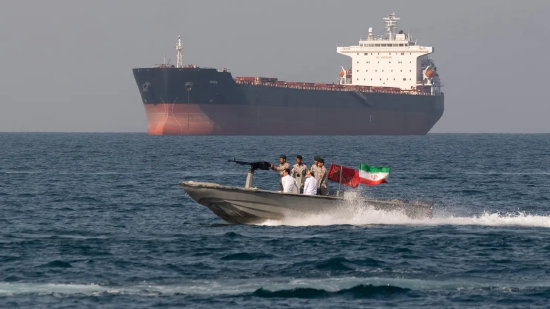
Core Viewpoint - Iran has partially closed the strategically significant Strait of Hormuz for security reasons while conducting military exercises, coinciding with ongoing negotiations between the U.S. and Iran regarding Iran's nuclear program [2][4][7]. Group 1: Strategic Importance of the Strait of Hormuz - The Strait of Hormuz is recognized as one of the most critical oil chokepoints globally, located between Oman and Iran [2][4][7]. - According to market intelligence firm Kpler, approximately 13 million barrels of oil pass through the Strait daily, accounting for about 31% of global seaborne oil flow by 2025 [2][7]. Group 2: Military Exercises and Their Implications - The temporary closure of the Strait is part of the Iranian Revolutionary Guard's "Smart Control of the Strait of Hormuz" exercise, aimed at ensuring shipping safety and enhancing Iran's deterrent capabilities [2][7]. - The exercise includes live-fire drills that overlap with the shipping lanes, requiring vessels to stay clear of the area for several hours [5][10]. Group 3: Market Reactions and Oil Prices - Following the announcement of the Strait's partial closure, oil prices reversed previous gains, with Brent crude down 1.8% to $67.48 per barrel and West Texas Intermediate down 0.4% to $62.65 per barrel [3][10]. - BIMCO's Chief Security Officer noted that the closure may cause minor inconveniences and delays for inbound vessels to the Persian Gulf but is not expected to result in significant disruptions [3][10].

伊朗突发,油价直线拉升!
Zhong Guo Ji Jin Bao· 2026-02-17 13:15
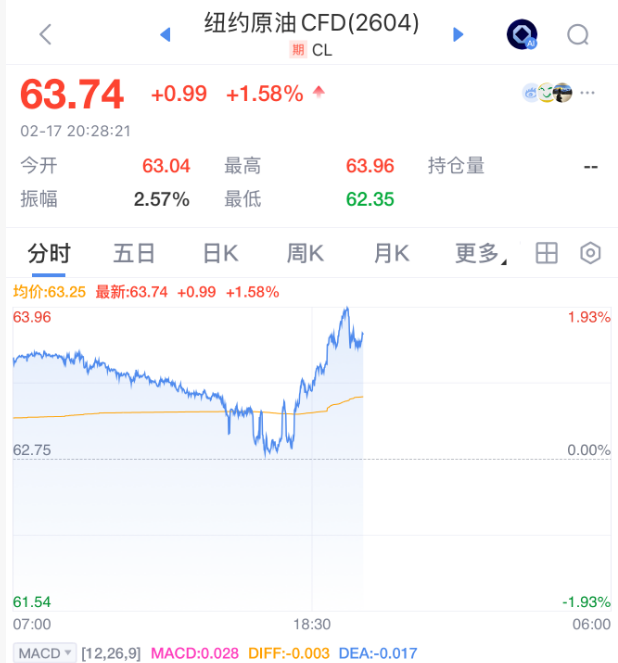
Core Viewpoint - Oil prices have sharply rebounded due to escalating tensions between the U.S. and Iran, particularly concerning military deployments and nuclear negotiations [4][5]. Group 1: Oil Price Movement - On February 17, crude oil prices experienced a significant rebound, indicating market sensitivity to geopolitical events [1]. - The closure of certain shipping lanes in the Strait of Hormuz, a critical oil export route, could disrupt 20% of global oil flow, leading to increased oil prices [4]. Group 2: U.S.-Iran Relations - Iran's Supreme Leader warned that U.S. attempts to overthrow its government would not succeed, coinciding with increased U.S. military presence in the Middle East [4]. - Indirect negotiations between the U.S. and Iran regarding long-standing nuclear disputes have commenced, with Iran's Foreign Minister engaging with international officials [4]. - U.S. Senator Lindsey Graham indicated that a decision between diplomatic measures and military action against Iran is imminent, expected within weeks [5]. Group 3: Military and Strategic Developments - The Iranian Revolutionary Guard is conducting military exercises in the Strait of Hormuz, heightening tensions in the region [4]. - Iran's strategic diplomatic efforts are aimed at preventing war while maintaining a strong defensive posture [5].
特朗普威胁:很快部署
中国能源报· 2026-02-14 10:49
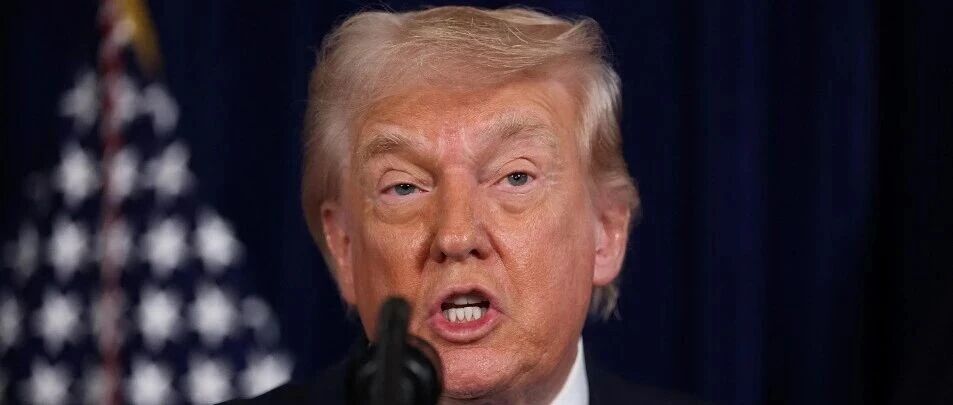
Group 1 - The U.S. has deployed a second aircraft carrier to the Middle East amid escalating tensions with Iran, as President Trump supports potential regime change in Iran and plans to send "powerful forces" to the region [1][2] - U.S. special envoys are set to meet with Iranian officials in Geneva to discuss the long-standing nuclear dispute, while also engaging with Russian and Ukrainian officials to advance efforts to end the Ukraine war [1] - Trump indicated that if an agreement with Iran is not reached, military action may be considered, raising concerns about a broader conflict in the region [2] Group 2 - The U.S. military has a limited number of aircraft carriers, with only 11 in its arsenal, making them a scarce resource that requires long-term planning for deployment [3]
美伊核谈破冰!伊朗外长称双方就继续谈判达成共识
Jin Shi Shu Ju· 2026-02-06 15:08
Core Viewpoint - The indirect talks between the U.S. and Iran in Oman mark a significant step towards addressing the long-standing nuclear dispute, with both sides expressing a willingness to continue discussions despite existing tensions [1][3]. Group 1: Negotiation Progress - The talks were described as a "good start" by Iranian Foreign Minister Abbas Araqchi, who indicated that both parties agreed to continue negotiations [1]. - Oman’s Foreign Ministry emphasized the importance of these discussions for achieving lasting security and stability in the region [1]. - Araqchi mentioned that the next steps would be coordinated by both governments, highlighting a potential framework agreement if progress continues [1]. Group 2: Challenges and Concerns - Mutual distrust is identified as a significant challenge in the negotiations, which must be addressed for any progress to be made [3]. - The U.S. Secretary of State Marco Rubio expressed a desire to expand the negotiation topics to include Iran's ballistic missile program and support for regional armed groups, which Iran has firmly rejected [2][4]. - Iranian officials have reiterated their stance against discussing missile programs, viewing it as a red line, while also expressing concerns over U.S. military presence in the region [2][4]. Group 3: Regional Implications - The potential failure of these talks raises fears of renewed conflict in the Middle East, which could have broader implications for the oil-rich region [3]. - Iran has warned that any military action against it would be met with a strong response, including targeting Gulf Arab neighbors hosting U.S. bases [4]. - The ongoing tensions are compounded by the U.S. military buildup in the region, which has heightened fears of escalation [3][4].