美国地产

Search documents
美债利率:挑战5%?
Sou Hu Cai Jing· 2026-02-26 23:27
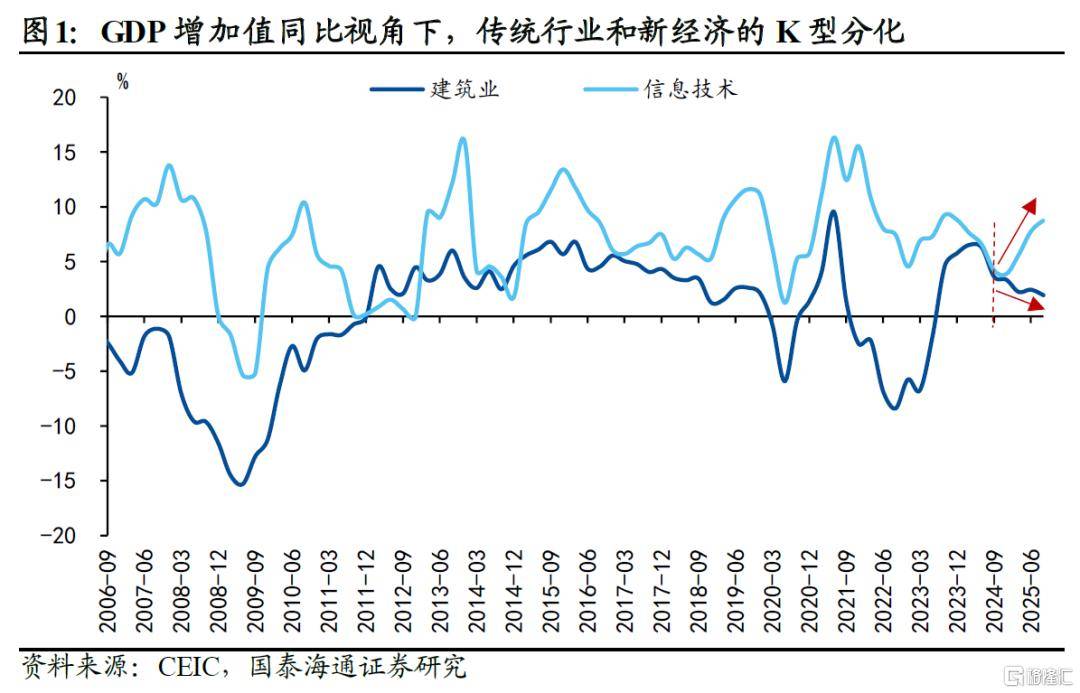
Group 1 - The core viewpoint of the article suggests that the stabilization of the U.S. real estate market may mark the beginning of a new round of inflation, characterized by inflation expectations accompanied by interest rate cut expectations rather than tightening expectations, leading to a weaker dollar [1] - The K-shaped economic recovery starting in the second half of 2024 indicates that high-income groups and AI are supporting GDP resilience, while traditional industries and low-income groups are contracting, raising questions about whether this will lead to economic recession or a new round of inflation [2][8] Group 2 - The current housing affordability index is at a historical low but remains above 100, indicating that median-income households can still afford to purchase homes. The decline in affordability is primarily attributed to high housing prices and interest rates [3][13] - There is a clear outlook for improvement in housing affordability, which could occur if mortgage rates drop below 5.6% (currently at 6.1%) or if the price-to-income ratio falls to 3.5 (currently at 3.8) [17][20] - The resilience of income growth, projected at 4-5% in 2025, is expected to help lower the price-to-income ratio, even if housing prices experience moderate inflation [18] Group 3 - Post-pandemic high housing prices have suppressed demand, leading to a deflationary trend in housing prices, but a lack of supply suggests that prices have a floor and are likely to rebound with moderate demand [4][27] - The U.S. real estate market has faced long-term supply shortages due to difficulties in acquiring land, hiring workers, and construction challenges, which have been exacerbated by zoning regulations and supply chain issues [27][39] Group 4 - Housing inflation typically leads CPI by about 18 months, and in the context of a K-shaped economy, inflation expectations are now coupled with expectations of interest rate cuts, resulting in a weaker dollar [5][42] - The market has begun to accept a loss of independence for the Federal Reserve, reflected in the long-term U.S. Treasury bonds anchoring inflation expectations at 2.4%, with a risk that the 10-year Treasury yield may exceed 4.5% and potentially challenge 5% [5][42]