美国芯片与科学法案

Search documents
重磅官宣!美国政府成英特尔最大股东。网友:鹰酱国资委来了
程序员的那些事· 2025-08-23 03:04
Group 1 - The U.S. government now holds a 10% stake in Intel, marking a significant agreement that reinforces the U.S. position in the semiconductor industry, which is expected to boost economic growth and maintain technological advantages [4][7]. - The agreement was facilitated by Intel's CEO, Pat Gelsinger, and is considered fair for both Intel and the American public [5]. - The U.S. federal government has become Intel's largest shareholder by converting part or all of the funding from the CHIPS and Science Act into equity, with Intel receiving $10.9 billion (approximately 78.3 billion RMB) for commercial and military chip production capacity [7].


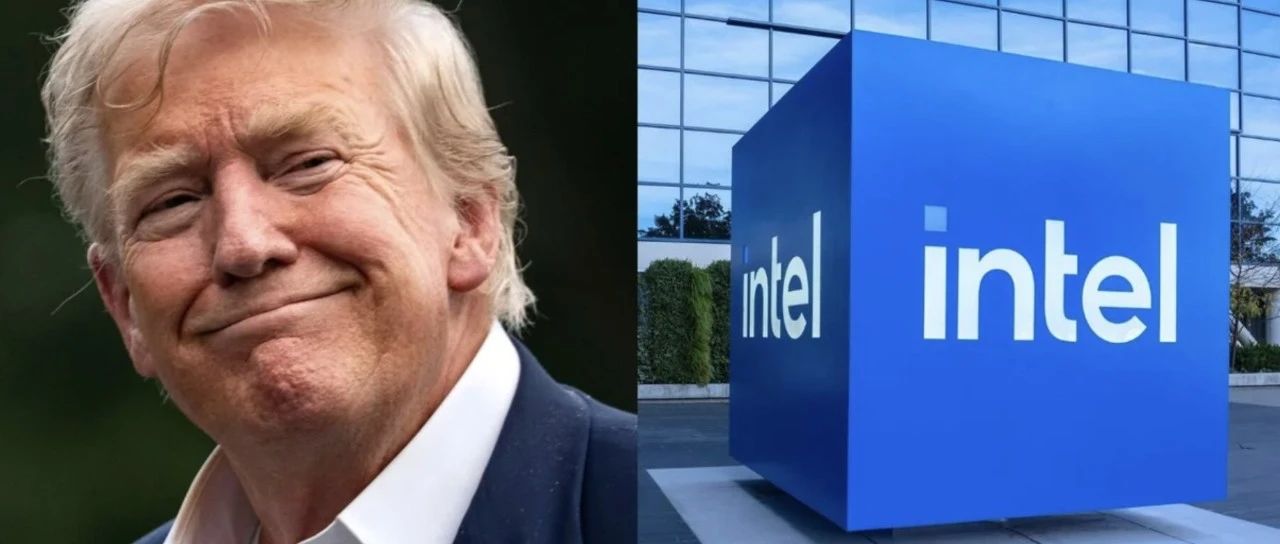
特朗普政府考虑入股英特尔10%,或成最大股东,软银“卡位”先投20亿美元
硬AI· 2025-08-19 03:42
Core Viewpoint - The Trump administration is considering a significant shift in U.S. industrial policy by potentially converting federal subsidies into direct equity investments in Intel, which could make the government its largest shareholder [1][2]. Group 1: Government Involvement - The Trump administration is discussing converting part or all of the funding from the CHIPS and Science Act into equity to hold approximately 10% of Intel's shares, valued at around $10.5 billion [2][4]. - Intel is set to receive approximately $10.9 billion in subsidies for commercial and military purposes, which aligns closely with the estimated cost of acquiring a 10% stake [1][2]. - The government’s potential investment is seen as part of a broader trend of increased intervention in strategic industries [10]. Group 2: Market Reactions - Following reports of the government's potential investment, Intel's stock price experienced volatility, initially dropping by 5.5% before narrowing to a decline of over 3.6% [5][6]. - In contrast, SoftBank's announcement of a $2 billion investment in Intel at $23 per share led to a rise in Intel's stock price during after-hours trading [1][7]. Group 3: Intel's Business Challenges - Intel is currently facing stagnation in sales growth and ongoing losses, complicating its efforts to regain technological leadership in the industry [4][10]. - The new CEO, Pat Gelsinger, is focusing on cost-cutting and layoffs as primary measures to turn the company around [4]. - Analysts suggest that while federal funding could provide Intel with some breathing room to revitalize its struggling foundry business, challenges such as a weak product roadmap and difficulty in attracting customers remain [10]. Group 4: Strategic Investments - SoftBank's investment is viewed as a vote of confidence in Intel's role in the expansion of advanced semiconductor manufacturing and supply in the U.S. [1][7]. - The collaboration aims to deepen commitments to U.S. advanced technology and chip innovation [7].

重磅!特朗普政府考虑入股英特尔10%,或成最大股东,软银“卡位”先投20亿美元
美股IPO· 2025-08-19 00:31
Core Viewpoint - The Trump administration is considering converting part or all of the funding from the CHIPS and Science Act into equity to hold approximately 10% of Intel, valued at around $10.5 billion, which aligns with the planned subsidy amount [1][3][5]. Group 1: Government Involvement - The potential government investment could make it the largest shareholder in Intel, which has been allocated approximately $10.9 billion in subsidies for commercial and military purposes [3]. - The government’s involvement reflects a broader trend of increased intervention in strategic industries, as seen in previous actions regarding semiconductor sales and defense-related investments [8]. Group 2: Market Reactions - Following reports of the government's potential stake in Intel, the company's stock experienced volatility, initially dropping by 5.5% before stabilizing to a decline of over 3.6% [6]. - In contrast, SoftBank's announcement of a $2 billion investment at $23 per share led to a rise in Intel's stock during after-hours trading, following a week of significant gains [3][7]. Group 3: Financial Context - Intel has received nearly $8 billion in subsidies, making it one of the largest beneficiaries of the CHIPS Act, although the new CEO is currently focused on cost-cutting and layoffs rather than expansion [9]. - The current financial situation of Intel includes stagnant sales growth and ongoing losses, raising questions about the effectiveness of government aid in revitalizing its business [5]. Group 4: Strategic Implications - The potential equity investment by the government may provide Intel with more breathing room to revitalize its struggling foundry business, although challenges such as a weak product roadmap and customer attraction remain [8]. - The strategic investment from SoftBank is seen as a vote of confidence in Intel's role in advancing U.S. semiconductor manufacturing and innovation [7].