老白兔

Search documents
在大厂,人人都想成为老白兔
虎嗅APP· 2025-12-12 00:13
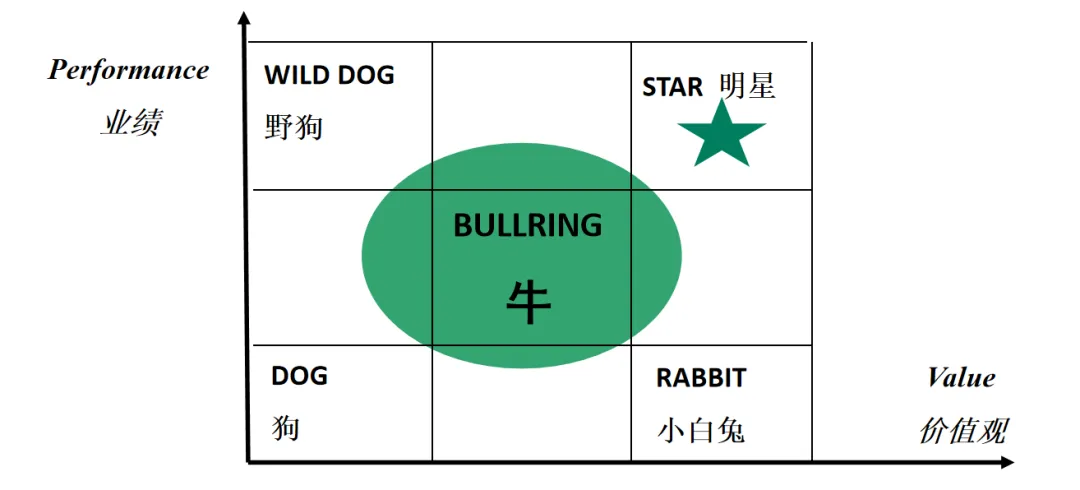
Core Viewpoint - The article discusses the phenomenon of "old rabbits" in large internet companies, referring to long-tenured employees who are perceived as low performers but are difficult to remove due to their established positions and relationships within the organization [4][9][20]. Group 1: Definition and Origin of "Old Rabbits" - The term "old rabbit" originated from Alibaba's talent assessment matrix, describing employees with good values but consistently low performance [9][10]. - As the internet industry matured, many early employees lost their business drive, becoming "old rabbits" characterized by long tenure, low output, and stable relationships [9][10]. - The criticism of "old rabbits" became more pronounced as companies faced slower growth and began to prioritize efficiency, leading to a push for their removal [10][12]. Group 2: Organizational Dynamics - The presence of "old rabbits" is often a symptom of deeper organizational issues, such as stagnation and outdated systems, which create an environment where low performance can thrive [16][17]. - Employees in higher positions often adopt a "do not disturb" attitude, leading to communication breakdowns and inefficiencies within teams [7][20]. - The article highlights that as companies enter a contraction phase, the likelihood of "old rabbits" emerging increases, particularly among older employees who may feel stuck in their careers [16][17]. Group 3: Employee Perspectives - Many employees express frustration with "old rabbits," viewing them as detrimental to team performance and resource allocation [22][23]. - The article illustrates how "old rabbits" can create a toxic work environment, where their lack of engagement negatively impacts younger employees and overall productivity [22][23]. - Despite the negative perceptions, some employees also recognize the survival strategies of "old rabbits," who navigate the corporate landscape by leveraging their experience and understanding of company dynamics [27][28]. Group 4: Challenges in Removing "Old Rabbits" - The difficulty in removing "old rabbits" stems from their deep understanding of company processes and the potential disruption that their removal could cause [25][26]. - Companies face significant costs associated with replacing "old rabbits," including recruitment, training, and potential declines in team performance during transitions [25][26]. - The article concludes that the presence of "old rabbits" is a complex issue, with organizations often becoming "rabbit dens" where inefficiency is tolerated due to the challenges of change [26].


在大厂,人人都想成为「老白兔」
36氪· 2025-12-11 13:37
Core Viewpoint - The article discusses the concept of "Old White Rabbits" in the internet industry, referring to long-tenured employees who are perceived as low performers but are difficult to remove due to their established positions and relationships within the organization [5][7][19]. Group 1: Definition and Origin - The term "Old White Rabbit" originated from a talent assessment matrix in a major internet company, categorizing employees based on values and performance, with "rabbits" representing those with good values but poor performance [7]. - As the internet industry matured, many early employees became "Old White Rabbits," characterized by long tenure, low output, and stable relationships, leading to a critical view of this group [8][9]. Group 2: Organizational Dynamics - The presence of "Old White Rabbits" is seen as a natural outcome of organizational structures that become rigid as companies mature, especially during periods of cost-cutting and efficiency drives [8][14]. - The article highlights that the elimination of "Old White Rabbits" is complicated by the need for stability in organizations, as removing them can lead to disruptions and further inefficiencies [24][25]. Group 3: Employee Perspectives - Employees express mixed feelings about "Old White Rabbits," recognizing their low productivity while also feeling the impact of their presence on team dynamics and overall morale [20][21]. - The article illustrates how younger employees often feel frustrated by the inefficiencies caused by "Old White Rabbits," who may resist collaboration and contribute to a toxic work environment [20][21]. Group 4: Cultural Implications - The article suggests that as companies face downturns, the reliance on familiar, albeit less productive, employees increases, making it challenging to replace them with more capable newcomers [24]. - The culture within organizations often shifts to accommodate the "Old White Rabbit" mentality, where survival strategies become focused on navigating internal politics rather than driving performance [27][32].

在大厂,人人都想成为老白兔
Xin Lang Cai Jing· 2025-12-09 09:53
Core Insights - The concept of "Old White Rabbit" refers to employees who are perceived as low performers but have been in the company for a long time, often creating a burden on organizational efficiency [4][12][15] - As the internet industry matures and growth slows, companies are increasingly intolerant of these "Old White Rabbits," leading to a push for organizational restructuring and efficiency [1][6][20] - The presence of "Old White Rabbits" is seen as a symptom of deeper organizational issues, including rigid structures and outdated systems, which hinder overall performance [10][18][21] Group 1: Definition and Origin - "Old White Rabbit" originated from Alibaba's talent assessment matrix, categorizing employees based on values and performance, with the term evolving to describe long-tenured employees who underperform [4][6] - The term has been publicly criticized by industry leaders, with discussions around the negative impact of such employees on company performance [6][12] Group 2: Organizational Dynamics - Companies are facing challenges in removing "Old White Rabbits" due to the costs associated with turnover and the potential disruption to team dynamics [20][21] - The phenomenon is exacerbated by a lack of growth opportunities for older employees, leading to a culture where staying in place becomes a survival strategy [11][22] Group 3: Employee Perspectives - Employees express frustration with "Old White Rabbits," noting their reluctance to collaborate and the negative impact on team productivity [16][17] - There is a growing sentiment among younger employees that the organizational culture is shifting towards a model that rewards low-effort, risk-averse behavior, mirroring the traits of "Old White Rabbits" [22][25] Group 4: Industry Trends - The trend of "Old White Rabbits" is becoming more pronounced as companies in the internet sector shift focus from rapid growth to cost-cutting and efficiency [12][20] - As the industry matures, the need for a more agile and performance-driven workforce is becoming critical, yet many organizations struggle to adapt due to entrenched practices [10][21]