肺癌早期筛查

Search documents
肺结节是否需要立刻手术?如何远离肺癌?这篇关于健康的提示请收藏↓
Yang Shi Wang· 2025-11-13 03:28
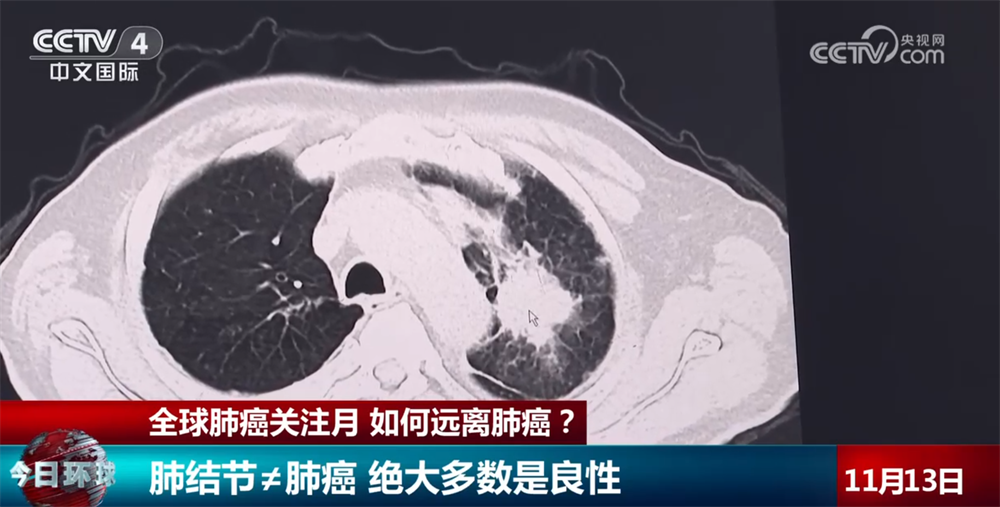
Core Viewpoint - Lung cancer is the most prevalent and deadly malignancy in China, with an increasing number of lung nodules being detected due to the widespread use of chest CT scans. It is crucial to understand that lung nodules do not equate to lung cancer, and most are benign. Regular monitoring is recommended rather than immediate surgical intervention [1][3]. Group 1: Lung Nodules and Screening - Lung nodules larger than 2 millimeters can be detected via CT scans, and the majority of these nodules are benign. Initial detection should not cause panic; instead, follow-up examinations are advised based on medical guidance [1][3]. - For ground-glass nodules with a diameter of 3 centimeters or less, over 95% are benign. Nodules smaller than 6 millimeters typically do not require intervention and can be monitored through annual health check-ups [3]. Group 2: High-Risk Groups and Recommendations - Individuals aged 50 and above, particularly those with a smoking index over 400 (smoking more than one pack a day for over 20 years), a family history of tumors, chronic lung diseases, or occupational exposure, are advised to undergo at least one chest CT for early lung cancer screening [5][6]. Group 3: Advances in Lung Cancer Treatment - Despite the high incidence of lung cancer, China has developed mature treatment methods. The advent of targeted therapies and immunotherapies has led to a more precise and personalized approach to lung cancer treatment [6]. - Current discussions around early lung cancer treatment focus on minimizing the costs associated with treatment while preserving patients' normal work and life capabilities. Even in late-stage lung cancer, some patients have achieved a chronic disease status, with life expectancy exceeding five years [8].

全球肺癌关注月|体检查出肺结节意味着什么?
Yang Shi Wang· 2025-11-12 18:32
Core Viewpoint - Lung cancer is the most prevalent and deadly malignancy in China, with an increasing number of lung nodules being detected due to the widespread use of chest CT scans. Most lung nodules are benign, and immediate surgery is not always necessary [1][3][4]. Group 1: Lung Nodules and Diagnosis - Lung nodules larger than 2mm can be detected via CT scans, and the majority of these nodules are benign. Initial detection should not cause panic; regular follow-ups are recommended based on medical advice [1][3]. - Overdiagnosis and overtreatment are common due to the anxiety surrounding ground-glass nodules, with over 95% of nodules smaller than or equal to 3cm being benign. Nodules smaller than 6mm typically do not require intervention and can be monitored through annual health check-ups [3][4]. Group 2: Screening Recommendations - Experts recommend that high-risk individuals over 50 years old should undergo at least one chest CT scan for early lung cancer screening. This is particularly important as lung cancer symptoms are often not apparent until advanced stages [4][6]. - High-risk groups include individuals over 50, heavy smokers (smoking index over 400), those with a family history of tumors, and individuals with chronic lung diseases or occupational exposures [6]. Group 3: Treatment and Survival Rates - Despite the high incidence of lung cancer, treatment methods have matured, leading to a gradual increase in the 5-year survival rate for lung cancer patients in China [7]. - New minimally invasive techniques for lung nodule removal have been developed, allowing for smaller incisions and quicker recovery times. For instance, a recent case involved a 3mm incision for a successful nodule removal, confirming the nodule as in situ cancer [9][11]. - The treatment landscape for lung cancer is evolving towards precision medicine, with advancements in targeted and immunotherapy leading to more personalized treatment approaches [12][14].

肺癌发现就是晚期?一个方法,可降低高危人群20%死亡率→
央视财经· 2025-04-24 11:31
Core Viewpoint - Lung cancer is the leading malignant tumor threatening the health of residents in China, accounting for 28% of all cancer-related deaths annually, highlighting the importance of early detection and treatment to improve survival rates [1]. Symptoms of Lung Cancer - Early identification of warning symptoms can significantly increase the chance of cure. Common symptoms include: - Persistent cough that does not improve with standard treatment [2]. - Blood in sputum, especially concerning for long-term smokers [2]. - Chest pain indicating possible tumor invasion [3]. - Difficulty in breathing due to airway obstruction [3]. - Hoarseness caused by tumor pressure on the recurrent laryngeal nerve [4]. - Unexplained fever that does not respond to antibiotics [5]. - Sudden weight loss without reason [6]. - Difficulty swallowing due to esophageal invasion [7]. - Superior vena cava syndrome presenting as swelling and congestion in the head and neck [8]. - Paraneoplastic syndromes such as clubbing of fingers, joint pain, muscle weakness, and endocrine disorders [9][10][11][12]. Prevention Methods - Early screening, diagnosis, and treatment are effective methods for lung cancer prevention. Low-dose spiral CT is recommended for high-risk groups, which can reduce lung cancer mortality by 20% [14]. Early detection can lead to a cure rate of up to 80% [15].