
免疫治疗

Search documents
“老外来华就医热”,中国医疗凭实力“圈粉” | 新京报快评
Xin Lang Cai Jing· 2026-02-11 08:24
Core Viewpoint - The trend of foreign patients seeking medical treatment in China has surged, with a significant perception of efficiency and cost-effectiveness compared to Western countries, marking a reversal in the global healthcare resource flow [2][3]. Group 1: Patient Trends - In 2025, international patients treated in key Chinese hospitals reached 1.28 million, a 73.6% increase from three years prior, indicating a shift from outbound medical tourism to inbound [2]. - The perception of Chinese healthcare has changed, with foreign patients now recommending it for its high efficiency and low costs, with some reporting a cost difference of up to 10 times compared to their home countries [2][3]. Group 2: Efficiency and Cost Advantages - Chinese hospitals have significantly shorter waiting times, with average outpatient wait times under 30 minutes and emergency response times of about 5 minutes, contrasting sharply with the long wait times in public hospitals in countries like the UK [3]. - The cost of medical services in China is reported to be up to 10 times lower than in developed countries, making it particularly attractive for foreign patients, especially those from middle-income backgrounds [3]. Group 3: Technological Advancements - China has made notable advancements in cutting-edge medical technologies, including robotic surgery and gene editing, which have contributed to its growing reputation in the global healthcare market [3]. - Chinese doctors have accumulated extensive clinical experience, particularly in rare diseases and complex surgeries, positioning them competitively against international standards [3]. Group 4: Challenges and Opportunities - Despite the growth, challenges remain, such as insufficient brand recognition, lack of standardized services, and barriers in international insurance and payment systems [3][4]. - To overcome these challenges, there is a need for market-driven improvements in service quality, the establishment of unified service standards, and the promotion of traditional Chinese medicine on an international scale [4]. Group 5: Future Outlook - The influx of foreign patients is seen as a reflection of the success of China's healthcare reforms, which have improved access and affordability for domestic patients, laying a foundation for internationalization [4]. - Continued systematic reforms and innovations in the healthcare sector could position China as a leading destination for medical treatment globally [4].


老外来华就医热”,中国医疗凭实力“圈粉
Xin Jing Bao· 2026-02-11 06:31
Core Viewpoint - The trend of foreign patients seeking medical treatment in China has significantly increased, with a reported 73.6% rise in international patients visiting domestic hospitals from three years ago, indicating a shift in global healthcare dynamics and perceptions of quality medical care [1][2]. Group 1: Reasons for Foreign Patients Choosing China - The primary reasons for foreign patients selecting China for medical treatment are the efficiency and cost advantages of domestic healthcare services, with average waiting times in Chinese hospitals being significantly lower than in Western countries [2]. - The cost of medical services in China can be up to 10 times lower than in developed countries, making it particularly attractive for foreign patients, especially those from middle-income backgrounds or without insurance coverage [2]. - China's advancements in cutting-edge medical technologies, such as robotic surgery and gene editing, have established a strong reputation, allowing foreign patients to trust Chinese healthcare providers with their health [2]. Group 2: Challenges in China's Medical Internationalization - Despite notable achievements, China's healthcare internationalization faces challenges, including insufficient brand recognition, lack of standardized services, and barriers in foreign exchange settlements and cross-border insurance [2]. - There is a need for market-driven mechanisms to enhance service quality and establish unified service standards and regulatory frameworks to address these challenges [3]. Group 3: Impact of Healthcare Reforms - The influx of foreign patients is a reflection of the successful reforms in China's healthcare system, which have improved access and affordability for domestic patients, thereby laying a foundation for internationalization [3]. - Continuous systemic reforms and innovations in the healthcare sector are essential for China to transition from a major healthcare provider to a leading healthcare powerhouse, making "medical treatment in China" a rational choice for more foreigners in the future [3].
愈见你 | 黑夜虽长,但微光会引路,黎明终将至
Xin Lang Cai Jing· 2026-02-02 04:35
Core Insights - The article narrates a personal journey of battling acute myeloid leukemia (AML), highlighting the emotional and physical struggles faced during treatment and recovery [3][4][5][6][7][8][9]. Group 1: Diagnosis and Initial Struggles - The individual, a 42-year-old teacher, was diagnosed with AML after experiencing unusual fatigue and bleeding symptoms, leading to a bone marrow biopsy that confirmed the diagnosis [4][5]. - The initial hospitalization was marked by fear and isolation, with the patient undergoing chemotherapy that resulted in severe side effects, including high fever and immune system suppression [5][6]. Group 2: Support Systems - The support from family was crucial, with the spouse quitting her job to care for the patient and the child showing unexpected maturity during this challenging time [6][7]. - Financial strain emerged due to the high costs of targeted therapies and immunotherapy, prompting community support through fundraising efforts by students, which raised over 100,000 yuan [6][7]. Group 3: Treatment and Recovery - After an initial response to chemotherapy, the disease relapsed, necessitating a bone marrow transplant, which was a critical turning point in the treatment journey [7][8]. - The successful transplant marked a significant milestone, with the patient's white blood cell count indicating recovery, leading to a newfound appreciation for life [8][9]. Group 4: Reflections and Future Aspirations - The experience transformed the individual's perspective on life, leading to a shift from teaching to becoming a volunteer supporting other blood disease patients [8][9]. - The narrative emphasizes the importance of hope, love, and community support in overcoming adversity, illustrating that even in darkness, small lights of encouragement can guide one through [9][12][13].

中国制药商跨境许可交易金额达到1,350亿美元,创历史新高
Shang Wu Bu Wang Zhan· 2026-01-23 16:36
Core Insights - The total value of cross-border licensing agreements signed by Chinese pharmaceutical companies reached a record high of $135.7 billion in 2025, marking a significant increase from $51.9 billion in 2024 [2] - The industry completed 157 such transactions in 2025, a substantial rise from 94 transactions in the previous year [2] - The surge in licensing agreements highlights China's evolving role as a crucial supply center in the global pharmaceutical industry, with multinational companies increasingly seeking assets in rapidly growing fields such as antibody-drug conjugates (ADCs) and immunotherapy [2] Industry Dynamics - The $135.7 billion in transaction value was primarily driven by 54 Chinese pharmaceutical companies, with the top 10 companies accounting for 60% of the total value [2] - The buyers of these licensing agreements are mainly multinational pharmaceutical companies, indicating a strong interest in China's pharmaceutical capabilities [2] - Investors and industry insiders note that years of investment have led to a more mature Chinese pharmaceutical ecosystem, characterized by enhanced production reserves, talent density, and supply chain capabilities [2]
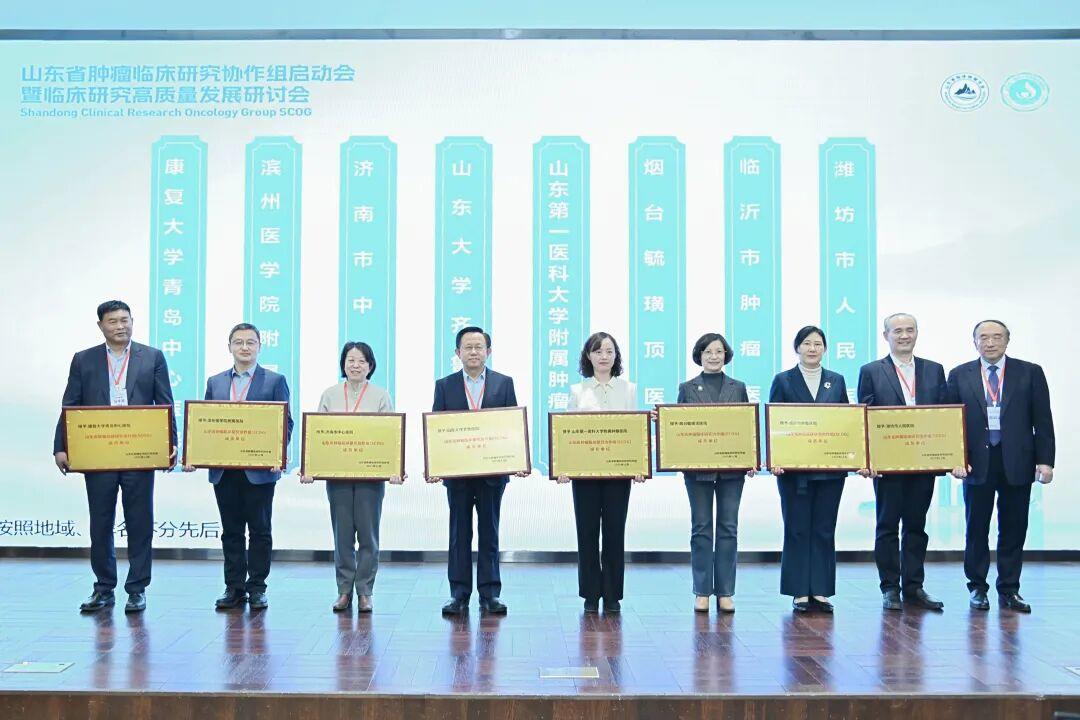
滨医附院成为山东省肿瘤临床研究协作组(SCOG)成员单位
Qi Lu Wan Bao· 2026-01-01 12:23
Core Viewpoint - The establishment of the Shandong Clinical Research Oncology Group (SCOG) aims to integrate high-quality medical resources and research capabilities across Shandong province to enhance cancer treatment and research, ultimately improving patient outcomes and facilitating medical innovation [3]. Group 1: Establishment and Objectives - The SCOG was launched to create a standardized, regulated, and quality-controlled clinical research platform to tackle cancer challenges and improve treatment levels [3]. - The inclusion of Binzhou Medical University Affiliated Hospital as a founding member signifies its formal integration into a high-level provincial cancer clinical research network [2]. Group 2: Clinical Research Achievements - Binzhou Medical University Affiliated Hospital has conducted nearly 500 clinical trials, with over 150 focused on various types of cancer, including lung, gastric, colorectal, and breast cancers, involving cutting-edge treatments such as immunotherapy and targeted therapy [3]. - These studies have provided critical data for drug development and have directly benefited thousands of patients by offering access to innovative treatments, effectively extending their lives and improving their quality of life [3]. Group 3: Future Plans and Responsibilities - The hospital plans to actively engage in provincial multi-center clinical research and conduct specialized studies on regionally prevalent cancers [4]. - It will adhere to the standardized treatment and quality control standards set by the SCOG, aiming to enhance the uniformity of high-quality medical resources [4]. - The hospital will focus on talent development and academic exchange to continuously improve research innovation capabilities, ultimately benefiting cancer patients and contributing to the health of the nation [4].
沪深股指低开震荡 医疗器械获14.6亿元大单净买入
Zheng Quan Ri Bao Wang· 2025-12-29 07:10
Market Overview - The Shanghai and Shenzhen stock indices opened lower and fluctuated, with the Shenzhen index performing slightly better than the Shanghai index [1] - As of 10:00 AM, the Shanghai Composite Index was at 3293.13 points, down 0.72%, with a trading volume of 75.7 billion yuan; the Shenzhen Component Index was at 13132.78 points, down 0.13%, with a trading volume of 131.1 billion yuan [1] Sector Performance - Out of 33 sectors, 9.07% showed an increase, with the top three being in vitro diagnostics (up 3.46%), healthcare (up 3.31%), and immunotherapy (up 2.88%) [1] - In terms of large single fund flows, 37 sectors experienced net inflows, with the top three being medical devices (1.46 billion yuan), pharmaceutical manufacturing (800.1 million yuan), and virus prevention (723 million yuan) [1] Investor Sentiment - According to Aijian Securities, the approaching National Day holiday has led to a decrease in investor participation [1] - The recent volatility in brokerage stocks, influenced by weekend news, has negatively impacted the market, while the decline of high-priced stocks has suppressed bullish sentiment [1] - Both bullish and bearish parties are adopting a cautious stance, resulting in a weak and fluctuating market consolidation [1] Market Outlook - The current market trend is indicated by the ChiNext Index, which is expected to guide market movements [1] - It is anticipated that the stock indices will continue to fluctuate widely between short- and medium-term moving averages, suggesting a need for investors to manage their positions carefully and select stocks strategically [1]
肺结节是否需要立刻手术?如何远离肺癌?这篇关于健康的提示请收藏↓
Yang Shi Wang· 2025-11-13 03:28
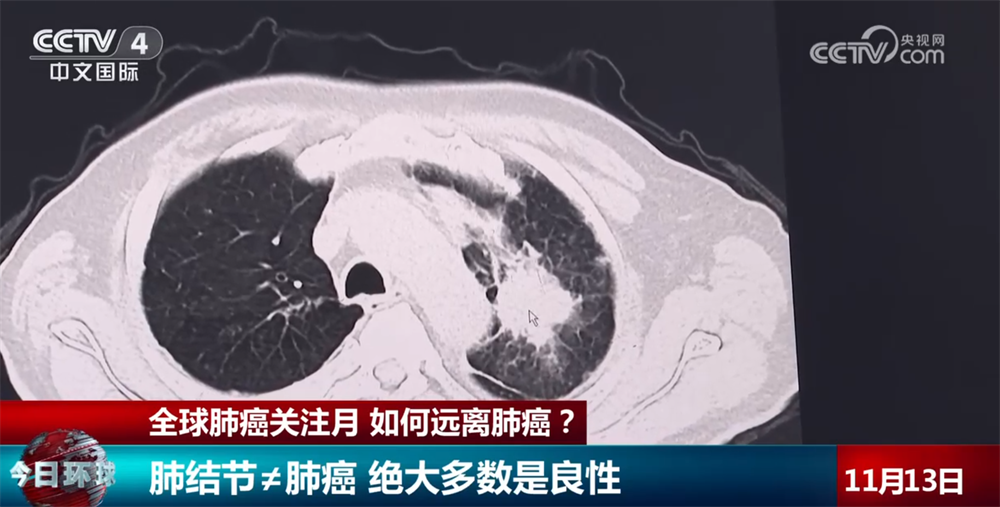
Core Viewpoint - Lung cancer is the most prevalent and deadly malignancy in China, with an increasing number of lung nodules being detected due to the widespread use of chest CT scans. It is crucial to understand that lung nodules do not equate to lung cancer, and most are benign. Regular monitoring is recommended rather than immediate surgical intervention [1][3]. Group 1: Lung Nodules and Screening - Lung nodules larger than 2 millimeters can be detected via CT scans, and the majority of these nodules are benign. Initial detection should not cause panic; instead, follow-up examinations are advised based on medical guidance [1][3]. - For ground-glass nodules with a diameter of 3 centimeters or less, over 95% are benign. Nodules smaller than 6 millimeters typically do not require intervention and can be monitored through annual health check-ups [3]. Group 2: High-Risk Groups and Recommendations - Individuals aged 50 and above, particularly those with a smoking index over 400 (smoking more than one pack a day for over 20 years), a family history of tumors, chronic lung diseases, or occupational exposure, are advised to undergo at least one chest CT for early lung cancer screening [5][6]. Group 3: Advances in Lung Cancer Treatment - Despite the high incidence of lung cancer, China has developed mature treatment methods. The advent of targeted therapies and immunotherapies has led to a more precise and personalized approach to lung cancer treatment [6]. - Current discussions around early lung cancer treatment focus on minimizing the costs associated with treatment while preserving patients' normal work and life capabilities. Even in late-stage lung cancer, some patients have achieved a chronic disease status, with life expectancy exceeding five years [8].
专家科普:规范化诊疗需从“早”到“晚”
Xin Jing Bao· 2025-11-11 07:56
Core Insights - Lung cancer is the most prevalent and deadly malignancy in China, with 1.0606 million new cases and 733,000 deaths reported in 2022 [1] - The five-year survival rate for lung cancer patients in China is gradually increasing, supported by national cancer prevention strategies [2] - Early diagnosis and treatment are crucial for improving survival rates, with multidisciplinary teams (MDT) playing a significant role in personalized treatment plans [3][4] Group 1: Lung Cancer Statistics and Trends - In 2022, China reported 1.0606 million new lung cancer cases and 733,000 deaths, highlighting the severity of the disease [1] - The "Healthy China 2030" initiative aims to increase the overall five-year cancer survival rate to 46.6% by 2030, with lung cancer survival rates also on the rise [2] Group 2: Early Detection and Management - The detection rate of lung nodules in China is approximately 20%, emphasizing the importance of public awareness regarding lung nodules as early signs of lung cancer [2] - Comprehensive management of lung nodules should include screening, follow-up, and intervention to enhance early detection and treatment [2] Group 3: Treatment Advances - Surgical intervention remains key for early-stage lung cancer, with minimally invasive techniques improving recovery times and treatment outcomes [3] - For late-stage lung cancer patients, treatment goals shift from cure to prolonging survival and enhancing quality of life, with new therapies like targeted and immunotherapy showing promise [3] Group 4: Multidisciplinary Approach - MDTs facilitate collaborative treatment planning by integrating expertise from various medical fields, leading to personalized and effective treatment strategies [4] - The MDT approach allows for a comprehensive evaluation of treatment options, optimizing decision-making and improving patient outcomes [4]
全球肺癌关注月丨专家科普:规范化诊疗需从“早”到“晚”
Bei Ke Cai Jing· 2025-11-11 07:52
Core Insights - Lung cancer is the most prevalent and deadly malignancy in China, with 1.0606 million new cases and 733,000 deaths reported in 2022 [1] - The five-year survival rate for lung cancer patients in China is gradually improving, with a target of 46.6% set for 2030 as part of national health strategies [2] - Early detection and management of lung nodules are crucial, as they can be early indicators of lung cancer, but not all detected nodules indicate malignancy [2] - Multidisciplinary teams (MDT) are essential for personalized treatment plans, improving patient outcomes through collaborative approaches [4][5] Group 1: Lung Cancer Statistics and Trends - In 2022, China reported 1.0606 million new lung cancer cases and 733,000 deaths, highlighting the disease's significant burden [1] - The five-year survival rate for lung cancer patients is on the rise, with comprehensive cancer prevention measures being implemented across the country [2] Group 2: Early Detection and Management - The detection rate of lung nodules in China is approximately 20%, necessitating public education to alleviate fears associated with these findings [2] - Proper management of lung nodules should encompass screening, follow-up, and intervention to enhance early detection and treatment possibilities [2] Group 3: Treatment Advances - Surgical intervention remains a key treatment for early-stage lung cancer, with minimally invasive techniques improving recovery times and outcomes [3] - For advanced lung cancer patients, treatment goals have shifted from cure to prolonging survival and enhancing quality of life, with new therapies like targeted and immunotherapy showing promise [3] Group 4: Multidisciplinary Approach - MDTs facilitate comprehensive treatment planning by integrating expertise from various medical fields, ensuring personalized and effective care for lung cancer patients [4][5] - The collaboration among specialists allows for optimized decision-making and improved management of the complex clinical presentations of lung cancer [5]
乳腺癌进入精准诊疗时代,专家提示女性警惕无痛性乳房肿块等信号
Bei Ke Cai Jing· 2025-10-13 11:33
Core Insights - Breast cancer treatment is transitioning from a focus on surgery and chemotherapy to a new era of precision medicine, improving overall patient quality of life [1][2] - Breast cancer is the most common malignant tumor among women in China, with approximately 420,000 new cases and 120,000 deaths annually [1] - Early detection remains crucial, with common warning signs including painless breast lumps, bloody nipple discharge, skin abnormalities, nipple retraction, and swollen lymph nodes [2] Group 1 - The treatment landscape for breast cancer is evolving towards personalized approaches, utilizing molecular subtyping to tailor therapies such as endocrine, targeted, and immunotherapy [1] - Innovative drugs have emerged, overcoming previous limitations where no treatment options were available, with advancements in single-target, dual-target, TKI, and ADC therapies [1] - The treatment goal has shifted from merely tumor removal to extending survival while ensuring patients' physical and mental well-being, encapsulated in the philosophy of "living longer and living better" [1] Group 2 - Patients with advanced breast cancer and their families face significant challenges, including treatment difficulties, financial burdens, social stigma, and psychological stress [2] - Women are encouraged to perform monthly self-examinations to detect abnormalities early, using methods such as visual inspection, palpation, and nipple discharge assessment [2]