
胸部CT

Search documents
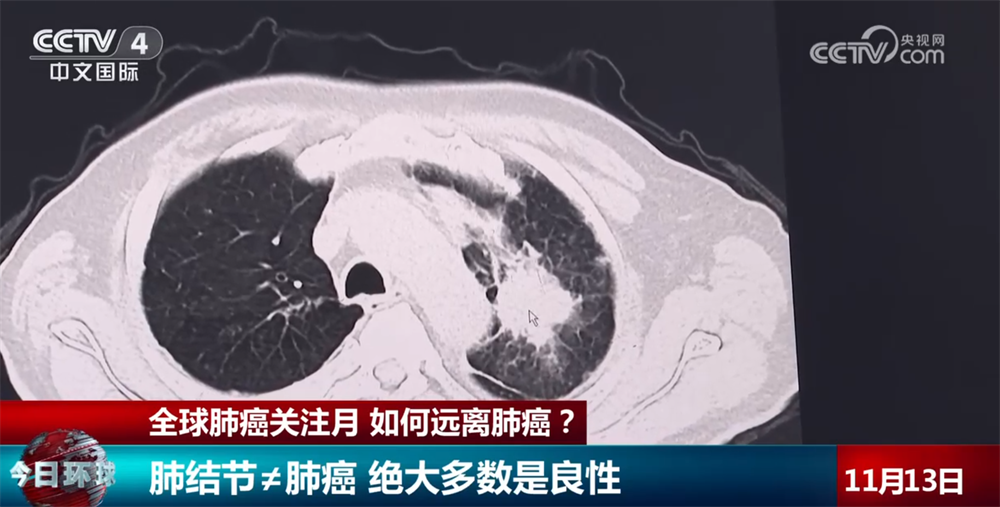
肺结节是否需要立刻手术?如何远离肺癌?这篇关于健康的提示请收藏↓
Yang Shi Wang· 2025-11-13 03:28
Core Viewpoint - Lung cancer is the most prevalent and deadly malignancy in China, with an increasing number of lung nodules being detected due to the widespread use of chest CT scans. It is crucial to understand that lung nodules do not equate to lung cancer, and most are benign. Regular monitoring is recommended rather than immediate surgical intervention [1][3]. Group 1: Lung Nodules and Screening - Lung nodules larger than 2 millimeters can be detected via CT scans, and the majority of these nodules are benign. Initial detection should not cause panic; instead, follow-up examinations are advised based on medical guidance [1][3]. - For ground-glass nodules with a diameter of 3 centimeters or less, over 95% are benign. Nodules smaller than 6 millimeters typically do not require intervention and can be monitored through annual health check-ups [3]. Group 2: High-Risk Groups and Recommendations - Individuals aged 50 and above, particularly those with a smoking index over 400 (smoking more than one pack a day for over 20 years), a family history of tumors, chronic lung diseases, or occupational exposure, are advised to undergo at least one chest CT for early lung cancer screening [5][6]. Group 3: Advances in Lung Cancer Treatment - Despite the high incidence of lung cancer, China has developed mature treatment methods. The advent of targeted therapies and immunotherapies has led to a more precise and personalized approach to lung cancer treatment [6]. - Current discussions around early lung cancer treatment focus on minimizing the costs associated with treatment while preserving patients' normal work and life capabilities. Even in late-stage lung cancer, some patients have achieved a chronic disease status, with life expectancy exceeding five years [8].

朝“问”健康丨查出结节别慌 看准体检报告上这些数据科学应对
Yang Shi Xin Wen· 2025-09-06 03:15
Group 1: Thyroid Nodules - The most common examination for thyroid nodules is thyroid ultrasound, which can diagnose the presence of nodules [1] - X-ray examination can observe whether there is calcification in thyroid nodules [1] - Thyroid nuclear scanning can determine whether the nodules are cold or hot [1] - Generally, if a thyroid nodule reaches grade 4, it requires specialist consultation and close follow-up, which involves increased frequency of specialized examinations rather than annual check-ups [1] Group 2: Breast Nodules - Breast ultrasound remains the first choice for screening breast nodules due to its non-invasive, painless, and radiation-free nature [3] - Mammography is effective in capturing microcalcifications and is suitable for women over 50 or those with less breast tissue as an additional examination [3] - According to ultrasound grading reports, if a nodule reaches grade 4, immediate specialist consultation is recommended [3] Group 3: Lung Nodules - Lung nodules refer to space-occupying lesions in the lung with a diameter of less than 3 centimeters, typically examined through chest X-rays and chest CT scans [5] - Chest X-rays can detect larger nodules, while nodules near the lung hilum may require chest CT for further evaluation [5] - Generally, solid nodules larger than 6 millimeters and ground-glass nodules larger than 8 millimeters are recommended for further evaluation [5]
