
能力鸿沟

Search documents
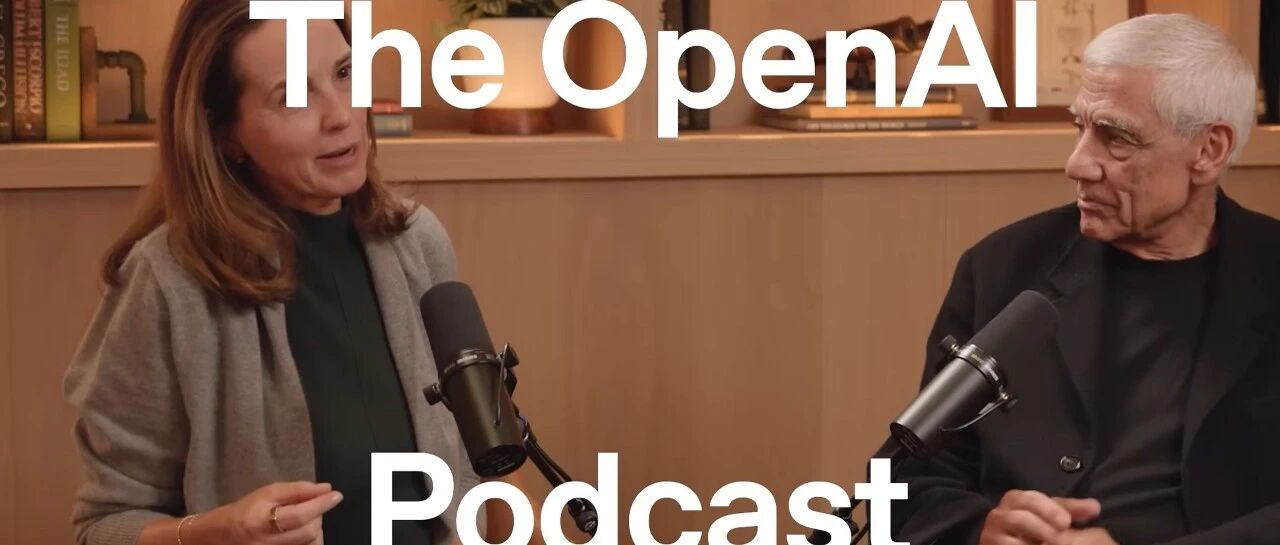
OpenAI CFO 摊牌:算力即营收,而 90% 的企业正被卷死在“能力鸿沟”里
AI科技大本营· 2026-01-20 09:10
Core Insights - The article discusses the evolution of AI and its implications for both consumers and businesses, emphasizing the gap between AI capabilities and user proficiency, referred to as the "ability gap" [6][12][14]. Group 1: AI Development and Adoption - Elon Musk predicts 2026 as the "singularity year," suggesting that AI will surpass human capabilities in various fields, including medicine [1]. - The concept of "Vibe Coding" has emerged, allowing programmers to code based on intuition rather than strict syntax, indicating a shift in programming paradigms [2][5]. - Despite advancements, many users still struggle to utilize AI tools effectively, likening the situation to giving a Ferrari to someone still learning to drive [6][12]. Group 2: Business Implications - Sarah Friar highlights the need for AI to transition from a question-answering tool to a task executor, bridging the ability gap for consumers and businesses [12][13]. - Companies are increasingly adopting AI, with 90% indicating they are using or planning to use OpenAI's technology within the next year [35]. - The productivity of companies using AI is rising, with examples of firms replacing multiple employees with AI-driven systems, showcasing significant efficiency gains [26][30]. Group 3: Financial and Strategic Considerations - OpenAI's investment in computing power is closely tied to revenue growth, with projections showing a strong correlation between computing capacity and annual recurring revenue (ARR) [21][22]. - The demand for computing power is described as nearly unlimited, with current limitations primarily due to availability rather than market need [23][24]. - The article emphasizes the importance of API call volume as a measure of real demand for AI, contrasting it with stock price fluctuations that do not reflect underlying value [24][25]. Group 4: Future Outlook - The article suggests that the next decade will see a significant increase in AI adoption, with only a small percentage of users currently leveraging its full capabilities [14][28]. - There is a prediction of a deflationary economy driven by AI, where costs for labor and expert services could approach zero, leading to a fundamental shift in societal structures [40].

所有的用人难题,归根结底就是这3点
3 6 Ke· 2025-10-22 03:29
Core Viewpoint - The article discusses the challenges companies face in talent management, emphasizing three main gaps: capability gap, personality gap, and foundational gap [3][30]. Group 1: Capability Gap - The capability gap is the most visible and commonly discussed issue in talent management, where individuals may excel in their current roles but struggle when promoted to management positions [5][10]. - The "Peter Principle" suggests that employees tend to be promoted until they reach a level of incompetence, highlighting the need for different skills at various organizational levels [7][8]. - To bridge the capability gap, companies should implement systematic training and personalized coaching to enhance employees' skills [11][12]. Group 2: Personality Gap - The personality gap is often more challenging to overcome than the capability gap, as it involves inherent traits that can hinder professional development [15][17]. - Individuals with strong personalities may struggle to collaborate effectively, while those with high emotional intelligence may lack the rigor needed for higher responsibilities [15][16]. - To address the personality gap, it is essential to motivate individuals to recognize how their personality traits can impact their career progression [18][20]. Group 3: Foundational Gap - The foundational gap refers to an individual's core values, responsibility, and integrity, which are deeply ingrained and difficult to change [25][28]. - Many hiring failures occur because HR focuses on skills and qualifications while neglecting the candidate's foundational traits, leading to poor long-term performance [26][30]. - To overcome the foundational gap, companies should prioritize selecting individuals with strong foundational qualities and be willing to let go of those who do not meet these standards [29][30].