
能源交易

Search documents
美掌控委国跟中俄做石油生意,孙玉良:跟黑老大做生意要小心
Sou Hu Cai Jing· 2026-01-12 10:15
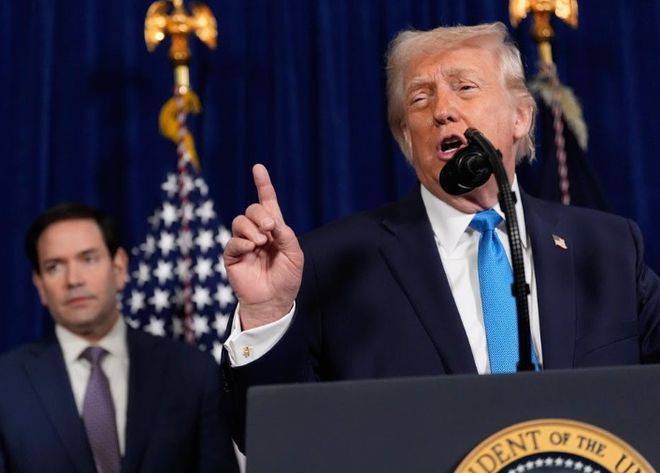
Core Viewpoint - The article discusses the geopolitical implications of the U.S. stance on Venezuela, highlighting the tension between U.S. interests and the potential influence of China and Russia in the region [1][3]. Group 1: U.S. Position on Venezuela - The U.S. does not want China or Russia to expand their influence in Venezuela, which it considers its sphere of influence, but is open to oil transactions through American channels [3][5]. - Following the overthrow of President Maduro, the U.S. military captured him, leading to the appointment of Vice President Rodriguez as interim president under U.S. guidance for economic reconstruction [3][5]. Group 2: Investment and Economic Plans - Trump discussed plans with U.S. oil executives to rapidly rebuild Venezuela's oil industry, aiming for production levels in the millions of barrels and over $100 billion in investments for capacity and infrastructure [3][5]. - The U.S. aims to control the Venezuelan oil market, which is significant for China, as Venezuela's oil accounts for about 4% of China's imports [7]. Group 3: Geopolitical Strategy - The U.S. is using Venezuela as a tool to manage global energy markets and geopolitical dynamics, positioning itself as a dominant player in energy transactions [7]. - Trump's approach reflects a desire to bind Venezuela's resources and production capabilities to the U.S. system, enhancing U.S. leverage in energy supply and pricing [7].

美委石油“战略价格”内幕曝光:一场不对等的能源交易
Sou Hu Cai Jing· 2026-01-07 04:07
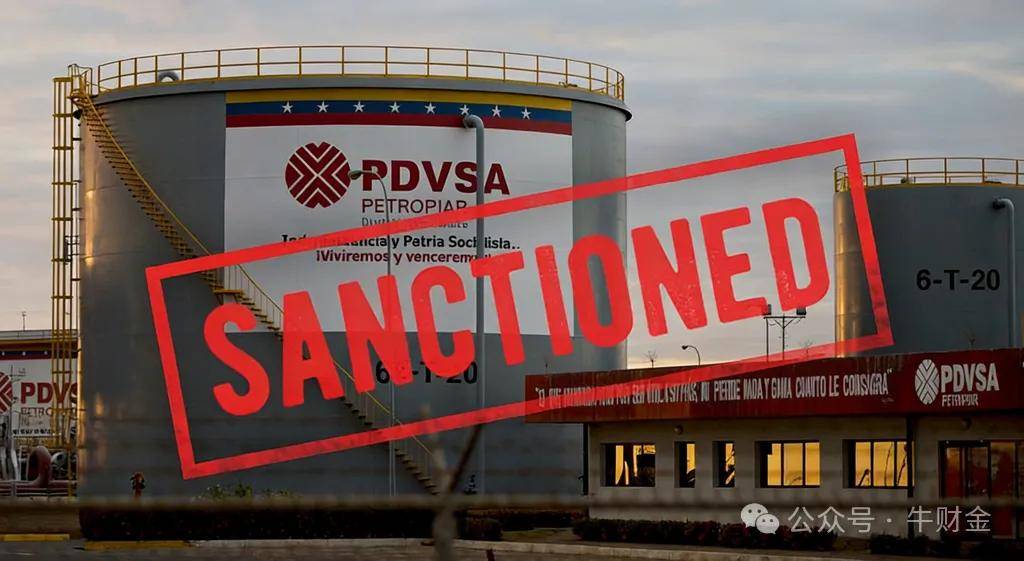
Core Viewpoint - The U.S. is preparing to re-import Venezuelan oil, but the terms of pricing, destination, and regulations are no longer under Venezuela's control [1] Group 1: Venezuela's Diminished Autonomy - Venezuela has only one viable option left: to sell oil under U.S. terms or face storage overflow and further production cuts [2] - The loss of buyer choice means Venezuela has also lost its bargaining power [4] - The negotiations with Washington are not about market re-entry but rather about compliance with U.S. restrictions [2] Group 2: Impact on China - Venezuela has millions of barrels of oil either loaded on ships or stored, but U.S. sanctions prevent any movement [6] - Venezuela's current export capacity is less than 800,000 to 900,000 barrels per day, which is significantly lower than China's daily import needs of approximately 11 to 12 million barrels [8] - Venezuela has never been a critical variable for China's energy security, and the U.S. is unlikely to significantly impact China's oil imports [9] Group 3: Pricing Mechanism - The absence of a specific transaction price indicates that the pricing logic is predetermined through proposed auction mechanisms, which favor buyers [10] - The issuance of U.S. licenses will dictate pricing, further diminishing Venezuela's control over its oil sales [10] - Discussions about replenishing the U.S. Strategic Petroleum Reserve (SPR) suggest that prices will be politically influenced and below market rates [10] Group 4: Reasons for Compromise - Venezuela's state oil company, PDVSA, has been forced to cut production due to an inability to sell oil, indicating that negotiations are now about securing funding rather than price [11] - The U.S. government, not Venezuela's energy department, will dictate who can buy, how much, and the terms of settlement [12] - Not selling oil results in severe financial consequences, affecting social spending and political stability [13]
莫迪临阵倒戈,普京退无可退,半价石油涌入黄海,中国照单全收
Sou Hu Cai Jing· 2025-12-25 07:01
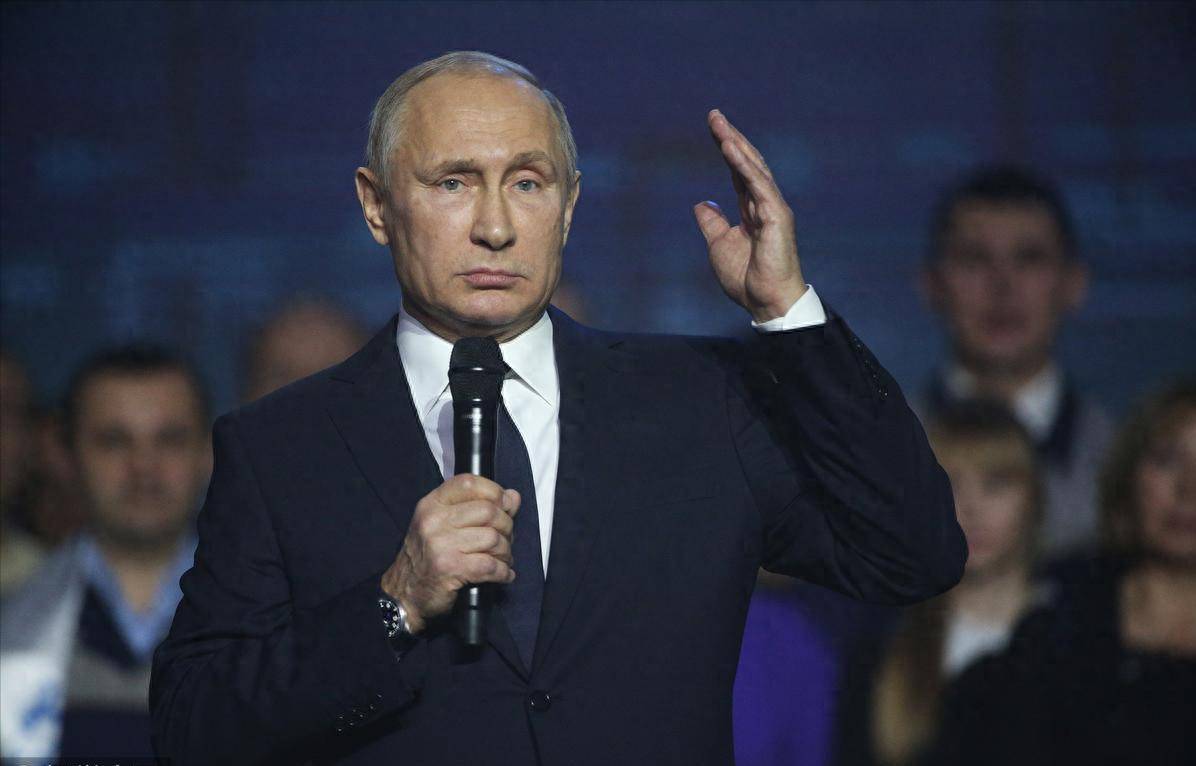
Core Viewpoint - The article discusses the rapid shift in Russia's oil export strategy towards China in response to Western pressures and India's changing stance on Russian oil imports, highlighting the implications for global energy markets and geopolitical dynamics [1][2][3]. Group 1: Russia's Oil Export Strategy - Since December, a rare sight of at least five giant oil tankers filled with Russian crude has been observed in the Yellow Sea, waiting for Chinese buyers [1]. - The prices for these oil sales are significantly low, ranging from $30 to $35 per barrel, which is more than a 50% reduction compared to the current international oil prices of $50 to $60 per barrel [2]. - This drastic price cut reflects Russia's economic pressures, as energy exports have seen a sharp decline, with revenues dropping by over one-third year-on-year in November 2025 [3]. Group 2: Economic Pressures on Russia - Russia's economy heavily relies on energy exports, and any disruption poses a risk of systemic collapse, especially given the ongoing military expenditures related to the conflict [3][5]. - The need to seek buyers in China, even at a loss, demonstrates a strategic pivot to stabilize the economy amidst dual pressures from economic sanctions and military costs [5]. Group 3: India's Changing Role - India has been a major buyer of Russian oil, but recent U.S. sanctions threaten this relationship, prompting India to reduce its imports significantly, with projections indicating a drop below 1 million barrels per day by January [11]. - Modi's decision to align more closely with Western interests, sacrificing cheaper Russian oil for potential political gains, reflects a strategic gamble that may lead to increased domestic inflation [13][14]. Group 4: China's Strategic Advantage - China stands as the only major economy capable of absorbing the surplus Russian oil amidst Western sanctions, presenting a unique opportunity for both countries [13][14]. - The strategic partnership between China and Russia is reinforced as China accepts the low-priced oil, ensuring energy security while benefiting economically from the situation [14].
特来电李剑波:能源交易会对充电运营商持续释放红利
Xin Lang Cai Jing· 2025-08-08 09:29
Core Insights - The company, Telai Electric, is focusing on energy trading and virtual power plants, which are expected to continuously benefit charging operators in the future [1] - In 2024, the company is actively engaging in peak-shaving auxiliary services and demand-side response in regions such as Shanghai, Shenzhen, Jiangsu, and Fujian, with a participation scale exceeding 3 million kWh and generating related benefits of nearly 10 million yuan [1] - The company has participated in market-oriented electricity trading with a volume exceeding 1.4 billion kWh in 2024 [1] - Telai Electric has established online information exchange with 38 power control centers and has over 3,400 dispatchable power stations that meet the conditions for virtual power plants [1]