花生过敏预防

Search documents
《自然》:2025年,这七大科学故事令人振奋
Ke Ji Ri Bao· 2025-12-22 01:02
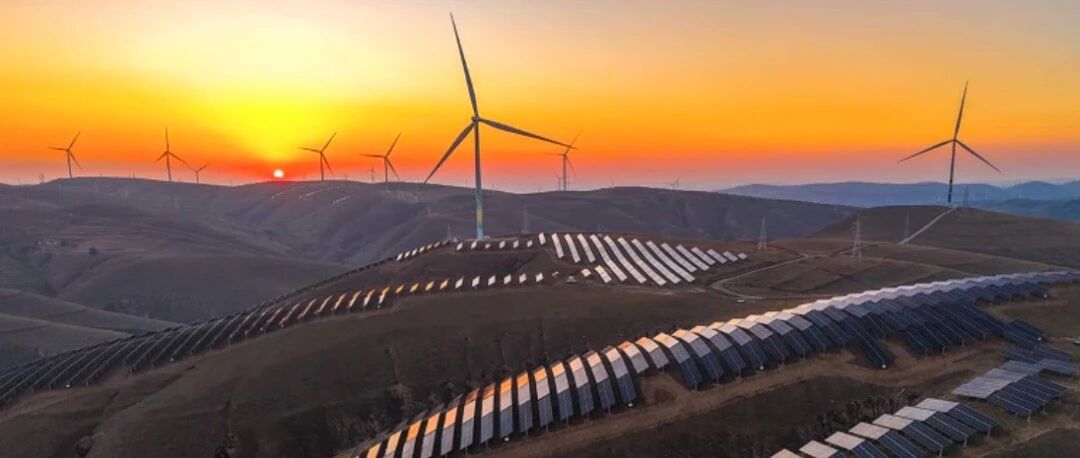
Group 1: Environmental and Conservation Achievements - Strong conservation measures have led to the recovery of endangered species, such as the green sea turtle, which has been reclassified as "least concern" by the IUCN due to efforts in egg protection and reduced bycatch [2] - The ozone layer over Antarctica has shown significant recovery, shrinking to its smallest size since 2019, attributed to the effective control of chlorofluorocarbon emissions following the Montreal Protocol [4] Group 2: Renewable Energy Developments - Renewable energy has surpassed coal to become the largest source of electricity globally, with China leading the way by surpassing 1 billion kilowatts of installed photovoltaic capacity and adding 256 gigawatts in the first half of the year [3] - The EU has seen approximately half of its electricity demand met by renewable sources in the second and third quarters of the year, indicating a significant shift towards clean energy [3] Group 3: Medical and Health Innovations - The approval of the first malaria treatment for infants by the WHO marks a significant step towards combating malaria, especially as 75% of malaria deaths occur in children under five [9] - A new gene therapy targeting Huntington's disease has shown a 75% reduction in cognitive decline, while another therapy has effectively treated aggressive blood cancer, showcasing advancements in genetic medicine [5] - The rapid containment of the Ebola outbreak in the Democratic Republic of the Congo within 42 days demonstrates the effectiveness of swift medical responses and vaccination strategies [7][8] Group 4: Allergy and Public Health Improvements - The peanut allergy rate among American children has significantly decreased by 43% since 2012, attributed to new guidelines encouraging early introduction of peanut products [10]
Nature发布2025年度振奋人心的七大科学成就——基因编辑治愈绝症,中国引领可再生能源跨越式发展...
生物世界· 2025-12-18 08:30
Core Insights - The article highlights seven significant scientific breakthroughs in 2025, showcasing advancements in gene editing, renewable energy, species protection, and disease control, which collectively instill confidence in the future of humanity [1]. Group 1: Species Protection - Several endangered species have shown significant population recovery in 2025, including the green sea turtle, which has been downgraded from "endangered" to "least concern" due to effective protection measures [5]. - The Antechinus, a small marsupial in Australia, has also recovered from near extinction to "least concern," with its habitat expanding by 48,000 square kilometers despite challenges like drought [5]. - The United Nations' High Seas Treaty, approved by over 60 countries, aims to protect biodiversity in international waters and secure at least 30% of land and marine areas [6]. Group 2: Ozone Layer Recovery - The Antarctic ozone hole has shrunk to its smallest size since 2019, indicating ongoing recovery of the Earth's protective upper atmosphere [7]. - The average annual size of the ozone hole has been decreasing since the 1987 Montreal Protocol, with hopes for complete recovery by the late 2060s if climate-friendly alternatives to chlorofluorocarbons are pursued [9]. Group 3: Gene Editing Advances - 2025 is marked as a breakthrough year for gene editing, with significant medical achievements including a Huntington's disease gene therapy that reduced cognitive decline by 75% [11]. - A CAR-T cell therapy for acute lymphoblastic leukemia showed substantial remission rates in clinical trials, and personalized CRISPR technology was tested for the first time on individuals [11][12]. - These advancements pave the way for developing mutation-specific strategies for rare diseases, highlighting collaboration between academia and industry [12]. Group 4: Renewable Energy Growth - Renewable energy surpassed coal for the first time in 2025, becoming the largest energy source globally, largely due to China's installation of 1 terawatt of solar power capacity [14]. - In the first half of 2025, China installed 256 gigawatts of solar systems, double the total installed in other regions [14]. - The EU sourced about half of its electricity from renewable energy in the second and third quarters, with expectations of nearly 4,600 gigawatts of renewable capacity added between 2025 and 2030 [16]. Group 5: Disease Control - The Ebola outbreak in the Democratic Republic of the Congo was contained within 42 days, with 64 reported cases, thanks to rapid response and vaccination efforts [18]. - The World Health Organization approved the first malaria treatment for infants, which could significantly reduce malaria deaths among children under five [20]. - A new anti-malarial drug, Ganaplacide-Lumefantrine, showed a 97.4% success rate in treating malaria in clinical trials, potentially becoming the first new anti-malarial drug approved since 1999 [20]. Group 6: Allergy Reduction - Research indicates a significant decrease in peanut allergy rates among American children, with a 43% reduction in prevalence among children under three compared to 2012 [22]. - The approach of introducing infants to peanut products at four months old has been shown to greatly reduce the likelihood of developing allergies [22].