
苏丹红

Search documents
花西子、科颜氏等回应“苏丹红”质疑
2 1 Shi Ji Jing Ji Bao Dao· 2025-10-25 11:15
Core Viewpoint - The beauty industry is facing a safety crisis due to the detection of the banned substance Sudan Red in various cosmetic products, raising public concern [1][2]. Group 1: Incident Overview - A third-party testing agency, "Old Dad Testing," reported finding Sudan Red in multiple cosmetic products, which has been banned globally since 2003 due to its genotoxic and potential carcinogenic risks [1][2]. - The National Medical Products Administration of China has included Sudan Red I-IV in its list of banned substances for cosmetics since 2021 [1]. Group 2: Brand Responses - Several brands, including Huaxizi, Tingyan, and Qiyou, have removed the questioned products from their official stores [2][8]. - Huaxizi's Peach Fresh Essence Cream and Tingyan's Collagen Essence have been taken down, while Qiyou's Squalane Fragrance Essence is still available but claimed to be a new version [2][9]. - Brands are conducting investigations and sending products for testing to ensure compliance with safety standards [8][9]. Group 3: Source of Contamination - The source of Sudan Red was traced back to a red ingredient containing extracts from Eclipta Prostrata, Melia Azadirachta, and Moringa Oleifera, with a detected concentration of 1170 ppm [3][4]. - The supplier of this ingredient, Campo Research (S) Pte. Ltd., based in Singapore, has distributors in China [4][5]. Group 4: Industry Implications - The incident highlights the potential for raw material suppliers to intentionally add banned substances under the guise of natural ingredients for coloring purposes [5][6]. - The testing results indicated that multiple products contained Sudan Red IV, with concentrations ranging from 435 to 1982 µg/kg [8].
苏丹红从餐桌“杀”上脸?科颜氏、花西子卷入,化妆品界上演“罗生门”
Feng Huang Wang Cai Jing· 2025-10-24 14:04
Core Viewpoint - The cosmetics industry is facing a significant controversy as a self-media outlet revealed the presence of the banned substance Sudan Red IV in various skincare products, raising consumer concerns about safety and brand integrity [1][4]. Group 1: Incident Overview - A video by "Old Dad Evaluation" detected Sudan Red IV in multiple skincare products, leading to consumer anxiety and brand scrutiny [1][3]. - The source of the contamination was traced to a questionable raw material group containing three components: mudfish extract, neem leaf extract, and moringa seed oil, with a Sudan Red content of 1170 ppm [1][3]. - Over 800 products have been implicated, affecting more than 400 brands, including both international and domestic names [4]. Group 2: Health Impact - Sudan Red IV is classified as a synthetic industrial dye and is listed as a Group 3 carcinogen by the International Agency for Research on Cancer (IARC), indicating it is an animal carcinogen but not proven to be carcinogenic to humans [5][6]. - The potential health risks from topical application are considered lower than those from ingestion, but long-term exposure could pose cumulative risks [8][9]. Group 3: Brand Responses - Many brands have issued minimal responses, with some products being removed from online platforms, while others remain available for purchase [9][10]. - Brands like Kiehl's and others emphasize compliance with regulations but have not addressed testing plans for Sudan Red [11][12]. - Consumer dissatisfaction is evident, with reports of difficulties in returning products and receiving adequate responses from customer service [13][14].

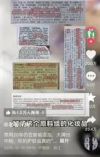
苏丹红从餐桌“杀”上脸?科颜氏、花西子卷入,化妆品界上演“罗生门”
凤凰网财经· 2025-10-24 13:38
Core Viewpoint - The article discusses a significant controversy in the cosmetics industry related to the detection of the banned substance Sudan Red IV in various skincare products, raising consumer concerns and prompting investigations into the implicated brands [1][2]. Group 1: Incident Overview - A video by "Old Dad Evaluation" revealed the presence of Sudan Red IV in multiple skincare products, leading to widespread consumer anxiety [1][2]. - The source of the contamination was traced to a questionable raw material group containing fish gut extract, neem leaf extract, and moringa seed oil, with a detected concentration of 1170 ppm (1.17 g/kg) of Sudan Red [2][3]. - Over 800 products have been identified as potentially containing the problematic raw material group, affecting more than 400 brands, including both international and domestic names [4]. Group 2: Health Implications - Sudan Red is classified as a synthetic industrial dye and is listed as a Group 3 carcinogen by the International Agency for Research on Cancer (IARC), indicating it is an animal carcinogen but not proven to be carcinogenic to humans [6][7]. - The National Medical Products Administration (NMPA) has explicitly banned Sudan Red IV in cosmetics, highlighting the serious regulatory implications of its presence [7][11]. - Experts suggest that while the immediate risk from topical application may be lower than ingestion, long-term exposure could pose cumulative health risks [10][11]. Group 3: Brand Responses and Market Impact - Many implicated brands have responded minimally, with some products being removed from online platforms, while others remain available for purchase [12][14]. - Brands like Kiehl's and others have emphasized compliance with regulations but have not disclosed plans for testing their products for Sudan Red [14][15]. - The controversy has led to consumer confusion and anxiety, with reports of difficulties in obtaining refunds for potentially contaminated products [17][18]. Group 4: Regulatory and Industry Insights - The article highlights the challenges in ensuring product safety, noting that not all banned substances are routinely tested in cosmetics, which raises concerns about consumer safety [14][15]. - The presence of Sudan Red IV in cosmetics underscores the need for stricter oversight and transparency in ingredient sourcing and labeling within the beauty industry [18].
第三方机构:多款护肤品中检出致癌成分,科颜氏、花西子回应
2 1 Shi Ji Jing Ji Bao Dao· 2025-10-22 04:05
Core Viewpoint - A recent report by a third-party evaluation agency revealed the presence of the banned chemical Sudan Red in several popular skincare products, raising concerns about consumer safety and regulatory compliance [1] Group 1: Product Safety Concerns - The testing identified Sudan Red, a chemical dye with genotoxic and potential carcinogenic risks, in a skin care product, suggesting contamination from a red ingredient in the formulation [1] - Multiple domestic and international beauty brands, including Kiehl's, Farmacy, and others, have been implicated in this issue, with specific products listed that may contain Sudan Red [1] Group 2: Brand Responses - Brands such as Flower West and Kiehl's have stated that their products comply with national regulations and have undergone testing by recognized authorities [1] - Kiehl's customer service indicated that their products meet relevant legal standards, while Flower West's customer service mentioned that they have notified authorities for investigation [1] Group 3: Industry Implications - The incident highlights potential vulnerabilities in the supply chain, where brands may unknowingly use raw materials containing banned substances due to deception by suppliers [1]