草原碳汇

Search documents
沙海也是发展“蓝海”
Jing Ji Ri Bao· 2026-01-05 22:06
Core Viewpoint - China is one of the countries with the largest desertification area in the world, and strengthening comprehensive prevention and control of desertification is crucial for ecological security and long-term stability [1] Group 1: Ecological and Economic Benefits - The ecological status of the Inner Mongolia desert area has seen a historic transformation, achieving overall improvement and accelerated enhancement of desert ecosystem functions [1] - The development of desert tourism and desert planting industries is on the rise, turning deserts into valuable resources that can drive regional economic development [1] Group 2: Systematic Governance and Resource Management - Implementation of stricter grazing bans and a balance between livestock and grassland is necessary, along with expanding the scope of grazing prohibition areas [2] - Enhancing the ecological compensation standards for grazing prohibition areas is essential to improve the ecological balance [2] Group 3: Supporting Farmers and Sustainable Development - Promoting the integration of desert ecological tourism and low-altitude economy can lead to job creation and increased income for farmers and herders [2] - Encouraging farmers to cultivate drought-resistant crops and exploring the carbon sink value of grasslands can enhance participation in desertification control and achieve a win-win situation for both environmental protection and economic benefits [2]
贯彻落实中央城市工作会议精神丨雪山映碧水 低碳入画来——阿勒泰绘就绿色美丽城市新画卷
Xin Hua Wang· 2025-08-08 17:02
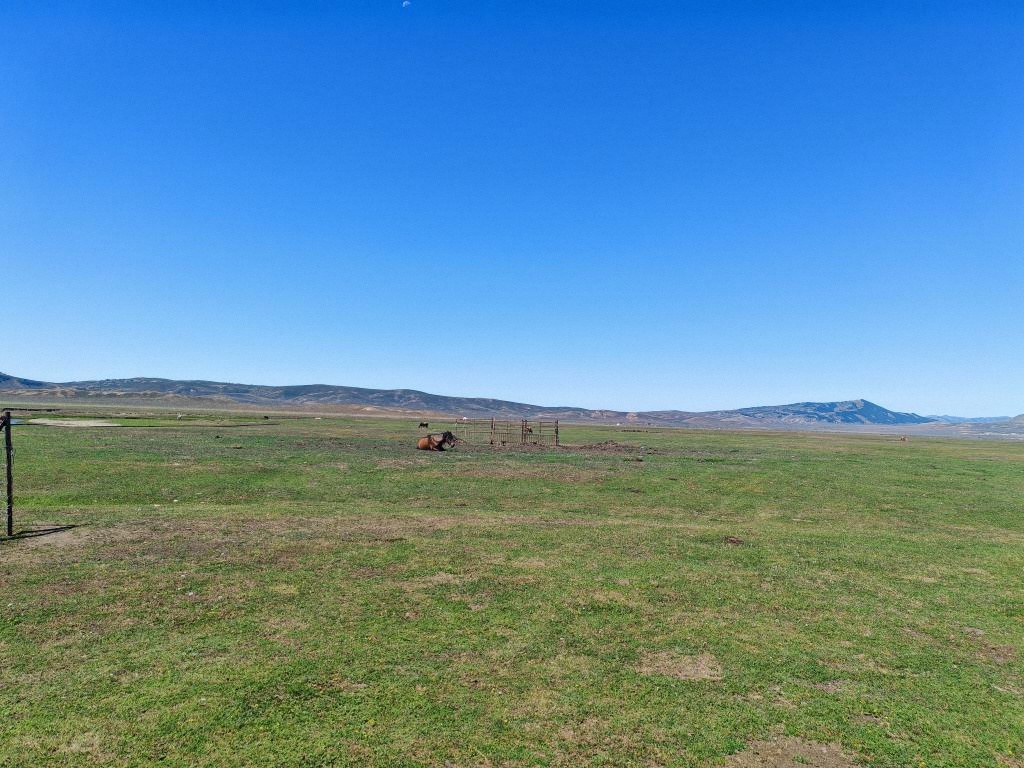
Core Viewpoint - The article highlights the transformation of the Altay region in Xinjiang into a green and beautiful city through the development of grassland carbon sinks and low-carbon initiatives, emphasizing the ecological and economic benefits of these efforts [1][8]. Group 1: Grassland Carbon Sink Development - The grassland ecosystem acts as a significant carbon sink, second only to forests, and has vast potential under the "dual carbon" goals [1]. - The local government has initiated measures to reverse grassland degradation, achieving a vegetation coverage increase to 50%-60% through practices like returning grazing land to grass and implementing rest and prohibition of grazing [3]. - By 2023, 975,000 acres of grassland were involved in carbon sink projects, generating 670,000 tons of carbon credits and yielding revenue of 19.765 million yuan [3][5]. Group 2: Economic Benefits and Policy Support - The transition from "raising grass" to "selling carbon" has turned ecological value into tangible economic benefits for local herders, with each family receiving over 5,000 yuan in grazing prohibition subsidies annually [5]. - The Altay region has allocated 358 million yuan to cover 107 million acres of grassland under the third round of ecological protection subsidies, ensuring sustainable grazing practices and enhancing carbon storage capabilities [5][7]. - The region's carbon sink resources are substantial, with approximately 10.717 million acres available for development [5]. Group 3: Green Low-Carbon Development Initiatives - Altay is committed to building a green and low-carbon city, with initiatives such as electric heating and the use of new energy buses, moving away from coal dependency [7]. - The region has achieved over 50% non-fossil energy in its energy structure, showcasing a significant low-carbon transition [7]. - The recent opening of the Ahe Highway has attracted over 400,000 self-driving tourists in a month, indicating that ecological advantages are translating into economic gains [7].