
草原碳汇

Search documents
呼伦贝尔市签订首笔草原碳普惠项目
Xin Lang Cai Jing· 2026-01-23 19:56
Core Viewpoint - The signing of the grassland carbon benefit project agreement marks a significant step for Hohhot City in monetizing ecological benefits from grassland management, aiming to enhance economic benefits for the local pastoral community [1] Group 1: Project Overview - The grassland carbon benefit project was signed on January 20, involving the collective economic organization of Manglaigacha, covering 585,600 acres of collective grassland [1] - The project is expected to generate a cumulative carbon sink of approximately 80,000 tons over a 20-year accounting period, averaging about 4,000 tons per year [1] - The first phase of the project has successfully traded 800 tons of carbon credits, yielding a revenue of 527,600 yuan [1] Group 2: Economic and Ecological Impact - This project represents the first grassland carbon benefit transaction in Hohhot City, transforming ecological benefits into tangible economic gains [1] - The innovative model of measurable, tradable, and profitable carbon credits aims to enhance the efficiency of pastoralism, invigorate pastoral areas, and increase income for herders [1] - Future plans include systematically summarizing project experiences, gradually expanding the pilot scope, and improving the entire chain mechanism for carbon sink measurement, verification, and trading [1]
新疆布尔津县:生态修复与价值变现相得益彰 | “两山”转化记
Zhong Guo Huan Jing Bao· 2025-08-14 00:08
Core Viewpoint - The transformation of the livestock industry in the Altay region of Xinjiang is crucial for ecological restoration and economic development, balancing environmental protection with the livelihoods of local herders [4][5][9]. Group 1: Ecological and Economic Initiatives - The Buerjin County has implemented various ecological protection projects, including returning pastures to grassland, resting and banning grazing, and developing grassland carbon sinks, leading to a green development path [4][5]. - The county has a total of 10.15 million acres of natural grassland, with 8.2 million acres available for development, which is essential for sustainable livestock farming [5]. - The government has adopted measures such as balancing livestock and grassland, reducing livestock numbers, and providing ecological rewards to protect and restore the environment [6][9]. Group 2: Livestock Industry Transformation - The county has shifted from traditional livestock farming to a new model of "warm-season grazing and cold-season feeding," improving the economic situation of herders [6][9]. - In 2022, Buerjin County was included in the national pilot program for grassland livestock industry transformation, and in 2023, it was recognized as one of the 15 demonstration counties for this transformation [6][9]. Group 3: Carbon Sink Development - The Xinjiang Development and Reform Commission secured 215 million yuan in central budget investment to support livestock industry transformation projects in Buerjin County and four other counties [10]. - Buerjin County has initiated carbon sink development, converting ecological value into economic benefits, with the first carbon trading project generating 67,000 tons of carbon credits and revenue of 19.765 million yuan [10]. - The VCS carbon sink project is expected to produce approximately 8 million tons of carbon credits over a 40-year period, with a static total revenue of about 280 million yuan [10].

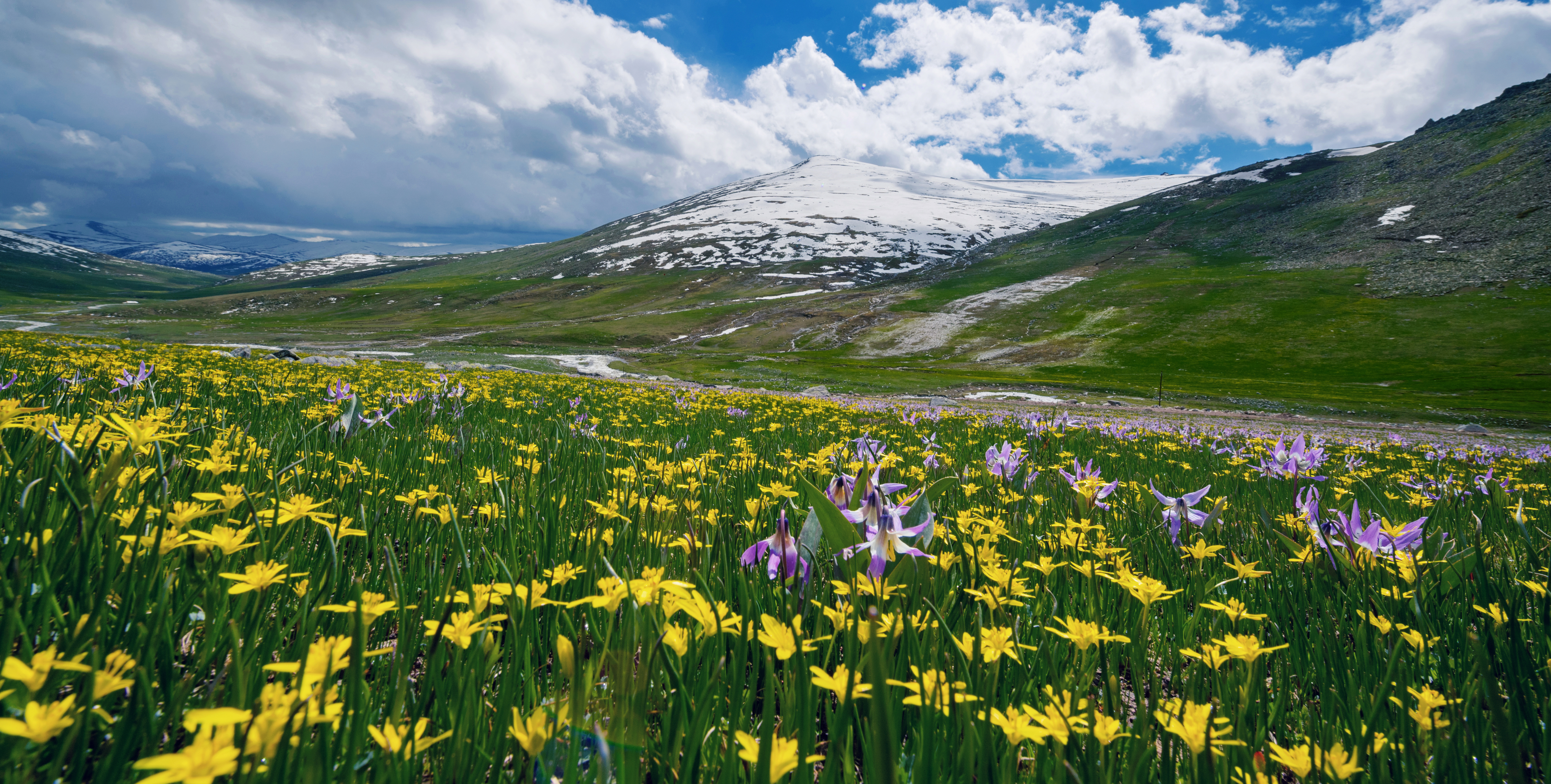
贯彻落实中央城市工作会议精神丨雪山映碧水 低碳入画来——阿勒泰绘就绿色美丽城市新画卷
Xin Hua Wang· 2025-08-08 17:02
Core Viewpoint - The article highlights the transformation of the Altay region in Xinjiang into a green and beautiful city through the development of grassland carbon sinks and low-carbon initiatives, emphasizing the ecological and economic benefits of these efforts [1][8]. Group 1: Grassland Carbon Sink Development - The grassland ecosystem acts as a significant carbon sink, second only to forests, and has vast potential under the "dual carbon" goals [1]. - The local government has initiated measures to reverse grassland degradation, achieving a vegetation coverage increase to 50%-60% through practices like returning grazing land to grass and implementing rest and prohibition of grazing [3]. - By 2023, 975,000 acres of grassland were involved in carbon sink projects, generating 670,000 tons of carbon credits and yielding revenue of 19.765 million yuan [3][5]. Group 2: Economic Benefits and Policy Support - The transition from "raising grass" to "selling carbon" has turned ecological value into tangible economic benefits for local herders, with each family receiving over 5,000 yuan in grazing prohibition subsidies annually [5]. - The Altay region has allocated 358 million yuan to cover 107 million acres of grassland under the third round of ecological protection subsidies, ensuring sustainable grazing practices and enhancing carbon storage capabilities [5][7]. - The region's carbon sink resources are substantial, with approximately 10.717 million acres available for development [5]. Group 3: Green Low-Carbon Development Initiatives - Altay is committed to building a green and low-carbon city, with initiatives such as electric heating and the use of new energy buses, moving away from coal dependency [7]. - The region has achieved over 50% non-fossil energy in its energy structure, showcasing a significant low-carbon transition [7]. - The recent opening of the Ahe Highway has attracted over 400,000 self-driving tourists in a month, indicating that ecological advantages are translating into economic gains [7].
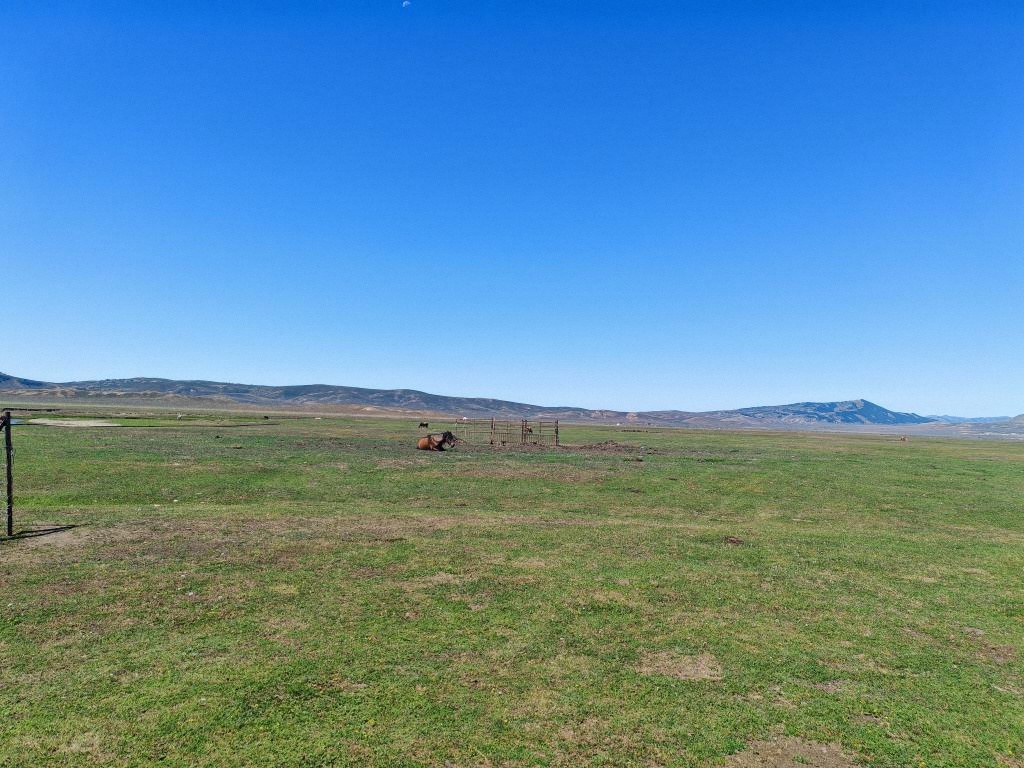
甘肃张掖如何抓好祁连山生态环境整治修复?| 筑牢西部生态安全屏障来稿选登
Zhong Guo Huan Jing Bao· 2025-07-21 03:06
Core Viewpoint - Zhangye City is committed to ecological protection and restoration in the Qilian Mountains, achieving significant improvements in environmental quality through systematic measures and strong governance [1][2][4]. Group 1: Ecological Restoration Efforts - Zhangye City has completed the remediation of all 179 prominent ecological issues in the Qilian Mountain National Nature Reserve, passing provincial inspections [2]. - The city has shut down 117 mining projects and restored the ecological environment, while also regulating 36 water and hydropower projects and closing 8 hydropower stations [2]. - During the 14th Five-Year Plan period, Zhangye has completed afforestation of 2.2471 million acres, restored 9.929 million acres of degraded grassland, and achieved a forest coverage rate of 25% and a grassland vegetation coverage of 50.98% [2]. Group 2: Long-term Protection Strategies - A comprehensive ecological monitoring network has been established, enabling detailed oversight of environmental conditions through various technological means [3]. - The city is exploring new pathways for ecological value transformation, including the establishment of a carbon trading platform and a closed-loop mechanism for ecological product value conversion [3]. - Zhangye aims to enhance its ecological protection responsibilities and implement strict accountability measures for environmental damage [3]. Group 3: Green Development Initiatives - The city is focused on developing a modern seed industry, a significant energy base, and an internationally recognized tourism destination, with plans to create five billion-dollar industry clusters [3]. - Efforts are being made to develop renewable energy industries, including wind, solar, and pumped storage, with major projects already underway [3]. - Zhangye is actively promoting tourism by applying for UNESCO World Heritage status for the colorful Danxia landform and enhancing the brand influence of "Rainbow Zhangye" [3]. Group 4: Future Ecological Security - Zhangye City plans to strengthen its ecological security measures by enhancing regulatory frameworks and ensuring the sustainability of ecological restoration achievements [4]. - The city will implement comprehensive governance strategies focusing on key areas such as grassland restoration and soil conservation [4]. - A collaborative mechanism for managing the Qilian Mountain National Park will be established, promoting community involvement in ecological protection [4][5].