药物不良反应

Search documents
注意!一“疼”就吃的这种药 可能悄悄损伤胃和肾
Xin Lang Cai Jing· 2025-12-30 15:02
Core Viewpoint - Ibuprofen is a widely used non-steroidal anti-inflammatory drug (NSAID) in China, accounting for nearly 25% of the analgesic market, but long-term or excessive use may lead to gastrointestinal and kidney damage [1][2]. Group 1: Usage and Mechanism - Ibuprofen is effective for relieving pain (such as headaches, toothaches, and post-exercise injuries), treating fever, primary dysmenorrhea, and joint pain caused by bone and joint diseases [5]. - The mechanism of ibuprofen involves the precise inhibition of cyclooxygenase (COX) activity, reducing the synthesis of prostaglandins, thereby diminishing pain signal transmission and achieving antipyretic, analgesic, and anti-inflammatory effects [2][4]. Group 2: Risks of Long-term Use - Long-term or excessive use of ibuprofen can lead to gastrointestinal discomfort, including symptoms like stomach pain, ulcers, and bleeding, particularly in individuals with a history of gastrointestinal diseases, older adults, and those taking other NSAIDs or alcohol [4][7]. - Kidney function damage is a risk for individuals with pre-existing kidney conditions, the elderly, dehydrated individuals, and those on long-term high doses or other nephrotoxic medications [7]. Group 3: Usage Guidelines - Ibuprofen should not be used for more than 3 days for fever and 5 days for pain relief without consulting a healthcare professional if symptoms persist [8]. - It is recommended to take ibuprofen during or after meals to minimize gastrointestinal irritation [8]. - Different formulations of ibuprofen have specific usage instructions, such as not crushing extended-release forms and ensuring liquid forms are well-shaken before use [8][9]. Group 4: Contraindications - Certain populations should avoid ibuprofen, including individuals allergic to ibuprofen or other NSAIDs, pregnant or breastfeeding women, and those with active gastrointestinal ulcers or bleeding [11].

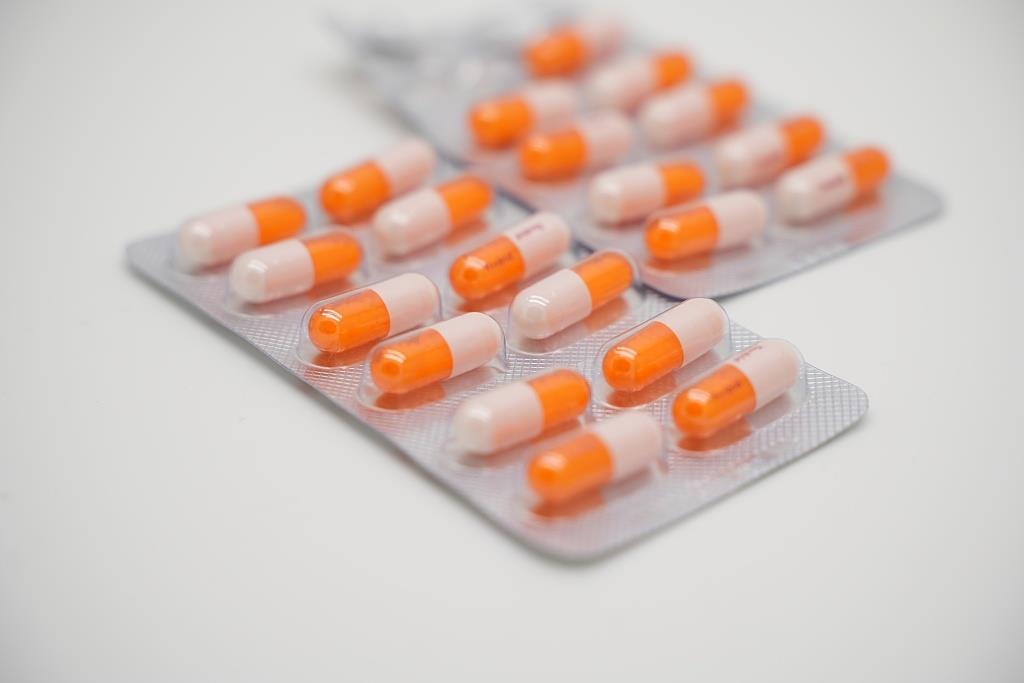
被警示“可导致抑郁、自杀倾向”,孟鲁司特还能用吗?专家详解
Xin Lang Cai Jing· 2025-12-26 10:50
Core Viewpoint - The National Medical Products Administration (NMPA) has decided to revise the labeling of Montelukast formulations, including warnings about potential neuropsychiatric adverse reactions such as depression and suicidal tendencies, which has raised concerns among parents and the public [1][2]. Group 1: Regulatory Changes - The NMPA's announcement aims to alert doctors and patients to monitor for neuropsychiatric side effects while using Montelukast, but it does not imply that the drug is unsafe or should not be used [2][3]. - The revision of the drug's labeling is intended to ensure that healthcare providers weigh the risks and benefits of the medication during treatment [2]. Group 2: Usage Guidelines - Montelukast is commonly used for treating asthma and allergic rhinitis, and its benefits may vary depending on the condition being treated [2][3]. - Patients, especially children, should be closely monitored for any changes in behavior or mood during treatment, and any concerning symptoms should be reported to a healthcare provider [3][4]. Group 3: Precautions for Specific Populations - Parents should inform doctors of any previous neuropsychiatric history before their children use Montelukast, and they should monitor their children's emotional and behavioral changes closely [4]. - Pregnant and breastfeeding women are advised to avoid Montelukast unless absolutely necessary, as safety studies in these populations are lacking [4].
网红神药,让她减重36斤后胃里长出“石头”
3 6 Ke· 2025-11-14 08:35
Core Points - A 63-year-old woman experienced severe abdominal pain, nausea, and vomiting for a month, initially attributing it to stress, but was later diagnosed with gastric bezoars after a gastroscopy revealed a large stone in her stomach [3][10][14] - The patient had lost 18 kilograms over the past year due to the use of semaglutide, a GLP-1 receptor agonist, which is known for its weight loss and diabetes management effects [3][15] - The treatment for the gastric stone involved consuming 3 liters of sugar-free cola within 12 hours, which successfully dissolved the stone, highlighting an unconventional yet effective method for treating gastric bezoars [10][14] Summary by Sections Patient Background - The patient had a history of multiple health issues, including type 2 diabetes, hypertension, and chronic kidney disease, and was on 16 different medications [3][14] - Weight loss was significant, dropping from 93 kg to 75 kg, with an accelerated rate of loss in the last month [3][14] Diagnosis - The abdominal pain was attributed to either a peptic ulcer or gastric stones, with the latter confirmed through gastroscopy [3][8] - Gastric stones are formed from undigested materials and can cause symptoms like abdominal pain and nausea [8][10] Treatment - The unconventional treatment involved the patient drinking sugar-free cola, which was effective in dissolving the gastric stone [10][14] - The patient was advised to continue with pain management using opioids while discontinuing semaglutide during her hospital stay [14] Implications for Semaglutide - Semaglutide, while effective for weight loss and diabetes management, can lead to adverse effects such as nausea and delayed gastric emptying, potentially resulting in gastric stones [15][16] - The discussion around the use of semaglutide raises questions about its safety and efficacy, especially when used for weight loss without medical supervision [15][17]