荷花定律

Search documents
进口HPV疫苗卖不动了,国内独家代理商过去一年亏100亿
3 6 Ke· 2026-01-19 13:52
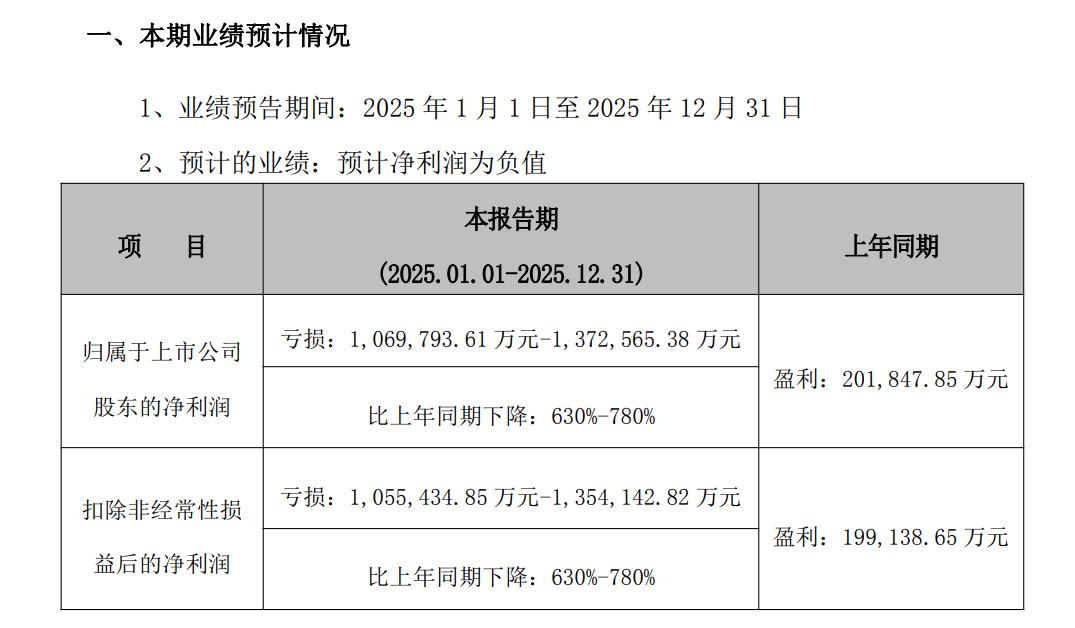
Core Viewpoint - The article discusses the significant decline in the financial performance of Zhifei Biological Products Co., Ltd., likening its trajectory to the "Lotus Law," where success appears to be imminent but ultimately leads to a sharp downturn due to increased competition and market saturation [5][12]. Financial Performance - Zhifei Biological forecasts a net loss for 2025, shifting from a profit of 2 billion yuan in 2024 to a loss between 10.7 billion and 13.7 billion yuan, representing a year-on-year decline of 630% to 780% [5][6]. - The company's revenue for 2024 is projected to drop by 50.74% to 26.07 billion yuan, with a net profit decrease of 74.99% to 2.02 billion yuan [12]. Market Dynamics - The introduction of domestic HPV vaccines, such as Wantai's "Xinkening," which is priced significantly lower than imported options, has intensified competition in the market [12][14]. - The Chinese government has initiated free HPV vaccination programs, further increasing competition and reducing market share for Zhifei Biological [14]. Historical Context - Zhifei Biological experienced rapid revenue growth from 2016 to 2023, with total revenue increasing from 446 million yuan to 52.918 billion yuan, a growth of 118 times [10]. - The company had exclusive rights to distribute Merck's HPV vaccines, leading to substantial revenue increases in 2017 and 2018, with growth rates of 201.06% and 289.43%, respectively [7][8]. Future Outlook - The company faces challenges due to high inventory levels and ongoing large-scale procurement agreements, which may exacerbate financial strain [13]. - The market for HPV vaccines is expected to become increasingly competitive, with more players entering the space and potentially diminishing Zhifei Biological's market share [14].


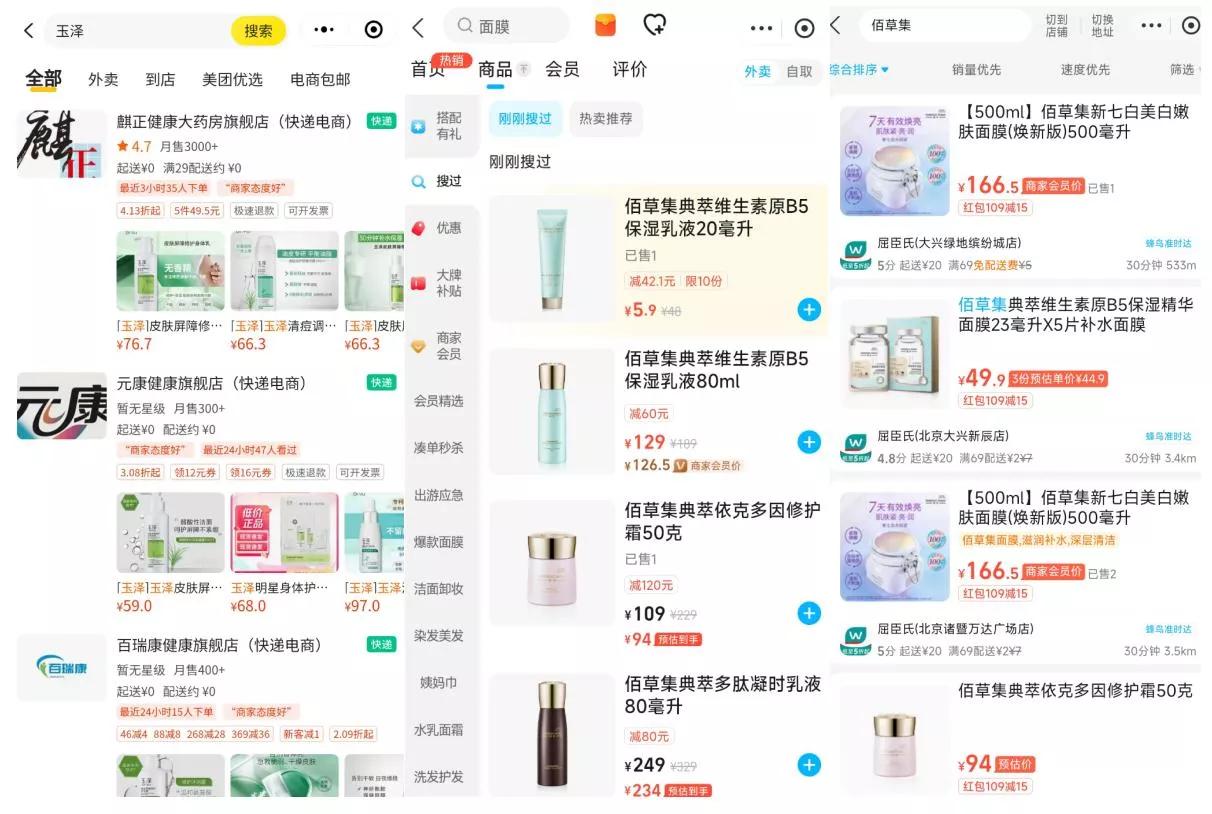
上海家化半年报上演荷花定律:六神、佰草集跑出亿元黑马新品,深度分销款增厚渠道利润
Cai Jing Wang· 2025-08-25 03:21
Core Viewpoint - Shanghai Jahwa has successfully navigated through a period of transformation and is now experiencing a rebound, marked by the launch of several high-performing products and a significant improvement in financial metrics [4][5][6]. Group 1: Financial Performance - In the first half of the year, Shanghai Jahwa achieved revenue of 3.48 billion yuan, a year-on-year increase of 4.8% [4]. - The net profit attributable to shareholders rose by 11.7% to 270 million yuan [4]. - Accounts receivable decreased by 25.7%, and inventory reduced by 20.6%, while operating cash flow increased by 39.7% [4]. Group 2: Product Launches and Market Strategy - The company launched several key products, including the Six God mosquito repellent egg and Bai Cao Ji white mud mask, which are expected to achieve over 100 million yuan in sales [4][5]. - The Six God mosquito repellent egg has been particularly successful, with sales driven by innovative packaging and marketing strategies, including celebrity endorsements [5][6]. - Bai Cao Ji's white mud mask has also gained traction, achieving over 60,000 sales in a single e-commerce channel and being labeled a "super explosive product" [8]. Group 3: Channel Development - Shanghai Jahwa is expanding its offline presence by establishing partnerships with hospitals and pharmacies to enhance its brand image [2][12]. - The company has also focused on instant retail channels, successfully increasing its market coverage and establishing new distribution partnerships [11][12]. - The online channel saw a significant year-on-year growth of 34.64% in the second quarter, indicating a successful shift towards e-commerce [10]. Group 4: Brand Positioning and Innovation - The company is concentrating resources on a few major products to establish or redefine brand perceptions, aiming for sustained growth through a combination of core brands and niche markets [7][10]. - The 玉泽 brand has positioned itself as a professional skincare line, with a focus on building a strong brand image through scientific research and clinical partnerships [6][12]. - The company is also exploring new product lines and pricing strategies to maintain a competitive edge in the market [12].