营养科学

Search documents
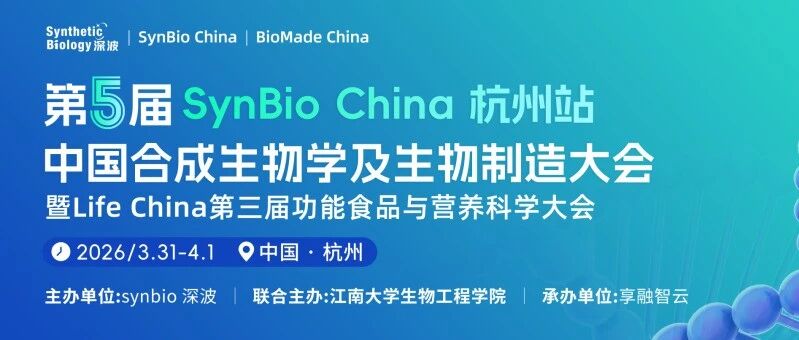
明天杭州见!第五届中国合成生物学及生物制造大会暨Life China第三届功能食品与营养科学大会,即将开幕!
synbio新材料· 2026-03-30 03:46
Conference Overview - The fifth Synbio China conference will be held in Hangzhou on March 31 to April 1, 2026, at the Hilton Garden Inn [7][9] - The conference aims to gather 1,000 participants and is organized by Synbio Deep Wave and Jiangnan University [7][8] Venue and Accommodation - The main venue is the Hilton Garden Inn, located at 600 Jinsada Avenue, Qiantang District, Hangzhou [6][7] - Accommodation options include: - Hilton Garden Inn: 550 RMB per night including breakfast [6] - Holiday Inn: 238 RMB for a double room, excluding breakfast [6] - City Hotel: 238 RMB for a double room, excluding breakfast [6] Transportation - Transportation options to the venue include: - Taxi from Hangzhou East Station: approximately 25 minutes [4] - Metro from Hangzhou East Station: Line 1 to Jinsahu Station, about 30 minutes [4] - Taxi from Hangzhou Xiaoshan International Airport: approximately 40 minutes [4] Agenda Highlights - The conference will feature various sessions, including: - Day 1 AM: Focus on bio-manufacturing industry ecology and functional food science [10] - Day 1 PM: Specialized sessions on food and skincare [10] - Day 2 AM: Focus on functional ingredients and bio-manufacturing innovation [10] - Day 2 PM: Discussions on future food and all-age nutrition [10] Keynote Speakers - Notable speakers include: - An academic from the German Academy of Engineering discussing low-carbon bio-manufacturing technologies [14] - Experts from Jiangnan University and other institutions presenting on various bio-manufacturing topics [15][19] Industry Collaboration - The conference will facilitate networking and collaboration among industry professionals, researchers, and investors [34] - Opportunities for exhibitors and sponsors to showcase their products and services related to synthetic biology and bio-manufacturing [34]

第十七届全国营养科学大会在京召开
Zhong Guo Jing Ji Wang· 2025-09-24 02:57
Core Insights - The 17th National Nutrition Science Conference was held in Beijing, focusing on "Nutritional Innovation - Promoting High-Quality Development of National Health" with nearly 3,000 experts and scholars attending from various institutions [1][2] - The conference featured over 40 specialized sessions covering topics such as nutritional innovation, basic nutrition research, food and nutrition, and public health, with around 300 experts sharing cutting-edge theories and technological achievements [2] Group 1 - The conference was organized by the Chinese Nutrition Society, with support from various health and agricultural institutions, highlighting the collaborative effort in advancing nutrition science [1] - Keynote speeches were delivered by prominent figures in the field, expressing strong expectations for the future development of nutrition science and encouraging professionals to contribute to national health [1] Group 2 - The event included a nutrition technology innovation exhibition, providing a platform for companies, research institutions, and NGOs in the nutrition, food, medical, and health sectors to showcase their work [2] - More than 1,000 paper abstracts were presented in poster format, reflecting the diverse perspectives in nutrition research [2]
美国营养科学的悲剧
Hu Xiu· 2025-05-15 13:28
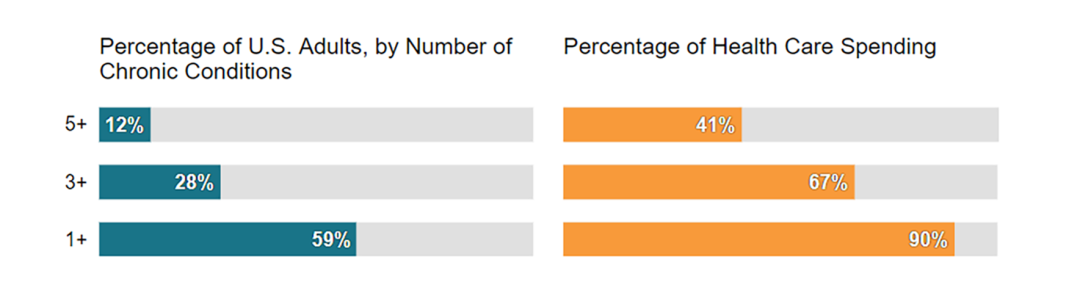
Core Argument - The article discusses the corruption of science in the United States, particularly in the fields of nutrition and health, due to the influence of big capital and military funding, which has transformed science from a creative force for human progress into a destructive one [1][2]. Group 1: Nutrition Science Critique - Nutrition science is essential for human health, yet nearly half of American adults suffer from diet-related chronic diseases, leading to significant mortality [2][3]. - A significant portion of chronic disease patients (12% of adults) accounts for over 40% of national healthcare spending [3]. - The article highlights scandals in nutrition research, such as the case of Brian Wansink, whose academic misconduct revealed deeper issues of corruption in food and health research [3][4][5]. Group 2: Government Dietary Guidelines - The U.S. government releases dietary guidelines every five years, which significantly influence American eating habits and are foundational for nutrition education and food assistance programs [8][9]. - The latest guidelines received unprecedented public attention, with 29,000 comments, indicating widespread concern over their scientific validity and potential conflicts of interest [12]. - Criticism arose regarding the reliance on data from health organizations funded by food and pharmaceutical companies, undermining the credibility of the guidelines [12][16]. Group 3: Sugar Industry Influence - Evidence suggests that the sugar industry has historically influenced nutrition and heart disease research, leading to misleading dietary recommendations [17][18]. - Internal documents reveal that the sugar industry funded research to downplay sugar's role in heart disease while promoting saturated fats as the primary culprit [17][18]. - The article emphasizes that the corruption in nutrition science has long-term implications for public health policies, contributing to the obesity epidemic in the U.S. [19]. Group 4: Corporate Influence on Research - Companies like Coca-Cola have funded research to shift blame for obesity from sugary drinks to lack of exercise, manipulating scientific discourse [20][21]. - The Global Energy Balance Network, funded by Coca-Cola, falsely claimed that obesity was primarily due to insufficient physical activity, rather than dietary intake [20][21]. - Investigations revealed that influential scientists collaborated with corporations to promote misleading scientific narratives, further complicating public health messaging [22][23]. Group 5: Nutritional Reductionism - The article critiques the reductionist approach in nutrition science, which focuses on isolated nutrients rather than whole foods, leading to misleading conclusions about health [37][41]. - This reductionism has been shaped by corporate interests, which prioritize profit over comprehensive food research, ultimately threatening public health [42].