营销规范

Search documents
家的电器回应与公牛的“小字营销”争议
Guan Cha Zhe Wang· 2026-01-22 13:28
Core Viewpoint - The lawsuit between Jia's Electric and Bull Group has sparked significant attention, with Jia's Electric aiming to promote industry standards rather than merely using the lawsuit for marketing purposes [1] Group 1: Company Overview - Jia's Electric, established in 2008, specializes in the research and manufacturing of wall switches and sockets, with an annual revenue of approximately 800 million yuan [3] - The company is recognized as a "hidden champion" in the domestic electrical industry, holding a certain market share in the mid-to-high-end residential market, but lacks the brand influence of industry leader Bull Group [3] Group 2: Legal Dispute - The dispute began when Jia's Electric criticized Bull Group's advertising claims, particularly the phrase "7 out of 10 Chinese households use Bull," citing concerns over compliance with advertising laws [3][4] - Bull Group responded with a lawsuit seeking 4.2 million yuan in damages, while Jia's Electric counter-sued Bull Group for alleged false advertising [3][4] - Both cases are currently under judicial review, with Jia's Electric highlighting the small font size of the data source in Bull's advertisements as a point of contention [4][6] Group 3: Market Strategy - Jia's Electric launched a new series of power strips, emphasizing honest labeling of cable lengths, which challenges industry norms where actual usable lengths are often shorter than advertised [7] - The company plans to adopt a new retail model that focuses on empowering offline distributors rather than establishing an online presence on major e-commerce platforms [9][10] - This strategy aims to create a "new retail model" that combines online traffic generation with offline experiences, diverging from the trend of high e-commerce penetration in the consumer electronics sector [10] Group 4: Industry Implications - The ongoing legal battle has brought attention to the issue of "small print marketing" in the consumer electronics industry, prompting discussions about the need for fair competition and transparent advertising practices [10] - Industry experts suggest that while Jia's Electric's approach to marketing and product transparency is commendable, it may not be sufficient to challenge Bull Group's dominant market position [9][10]



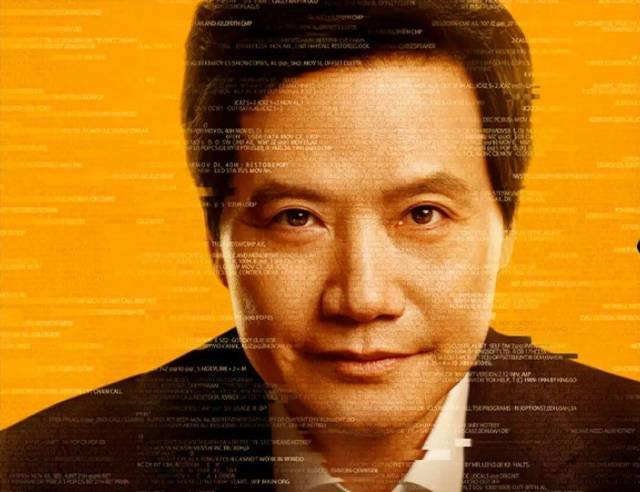
观澜2025 | 被“围剿”的雷军
Sou Hu Cai Jing· 2026-01-12 12:55
Core Viewpoint - The article discusses the challenges faced by Xiaomi and its CEO Lei Jun in 2025, highlighting a series of controversies that have impacted the company's reputation and operations in the automotive sector, despite achieving significant sales milestones and technological advancements. Group 1: Controversies and Reactions - The 3·29 incident involving a Xiaomi SU7 vehicle resulted in a tragic accident, leading to public outcry and significant scrutiny over the vehicle's safety features, causing a loss of 380 billion HKD in market value for Xiaomi [5] - Lei Jun addressed various accusations during a live stream, including claims of misleading marketing and safety concerns, emphasizing the need for fair media representation and acknowledging the company's past marketing practices that require improvement [4][10] - The "green belt warrior" label emerged from edited videos circulating online, which misrepresented the safety of Xiaomi vehicles, prompting Lei Jun to clarify that the accident rate of Xiaomi cars is below the industry average [9] Group 2: Product and Marketing Issues - The SU7Ultra's power limitation controversy arose when an OTA update restricted the vehicle's horsepower, leading to consumer backlash and accusations of misleading marketing [6] - The "flavor hood" controversy involved discrepancies between the advertised features of the SU7Ultra's carbon fiber hood and its actual design, resulting in customer demands for refunds and legal action [7] - The "small字 marketing" issue highlighted misleading promotional practices across multiple product lines, prompting Lei Jun to acknowledge the problem and commit to clearer marketing strategies [10] Group 3: Business Performance Amid Controversies - Despite the controversies, Xiaomi's automotive division achieved over 410,000 vehicle deliveries in 2025, surpassing its targets, with the SU7 series becoming the best-selling model in its category [12] - The company reported its first quarterly profit in the automotive sector, with a gross margin of 25.5%, indicating a successful transition into the automotive market despite the surrounding challenges [12] Group 4: Industry Implications - The controversies surrounding Xiaomi have sparked broader discussions within the automotive industry regarding safety standards, marketing ethics, and the importance of consumer rights, pushing for regulatory improvements [13] - The ongoing scrutiny of Xiaomi's practices serves as a case study for other companies in the rapidly evolving smart automotive sector, emphasizing the need for transparency and accountability in marketing and product safety [14]