解放思想

Search documents
从“新春第一会” 看南湖区发展新信号
Xin Lang Cai Jing· 2026-02-25 23:03
Core Viewpoint - The South Lake District is emphasizing the importance of "liberating thoughts and striving for high performance" as it embarks on a new journey in the "14th Five-Year Plan" period, aiming to strengthen the main urban area and enhance its leading position in the region [1][2]. Group 1: Work Strategy - The South Lake District has established a "1341" work strategy, focusing on high-quality development and the construction of a common prosperity demonstration area [3]. - The strategy includes three major focuses: project implementation, practical execution, and work style improvement, alongside four key initiatives: strengthening the main city, enhancing industrial quality, improving platform capabilities, and promoting urban-rural integration [3][4]. Group 2: Key Initiatives - The initiative to strengthen the main city aims to enhance urban economic vitality, construction, and overall performance [4]. - The industrial enhancement initiative focuses on building resilient and high-quality industrial clusters, optimizing the innovation ecosystem through technology empowerment and value co-creation [4][5]. - The platform capability enhancement initiative seeks to elevate the main platform's role and promote the economic strength of local areas [5]. - The urban-rural integration initiative aims to broaden the approach to shared prosperity and improve the effectiveness of regional collaboration [5].
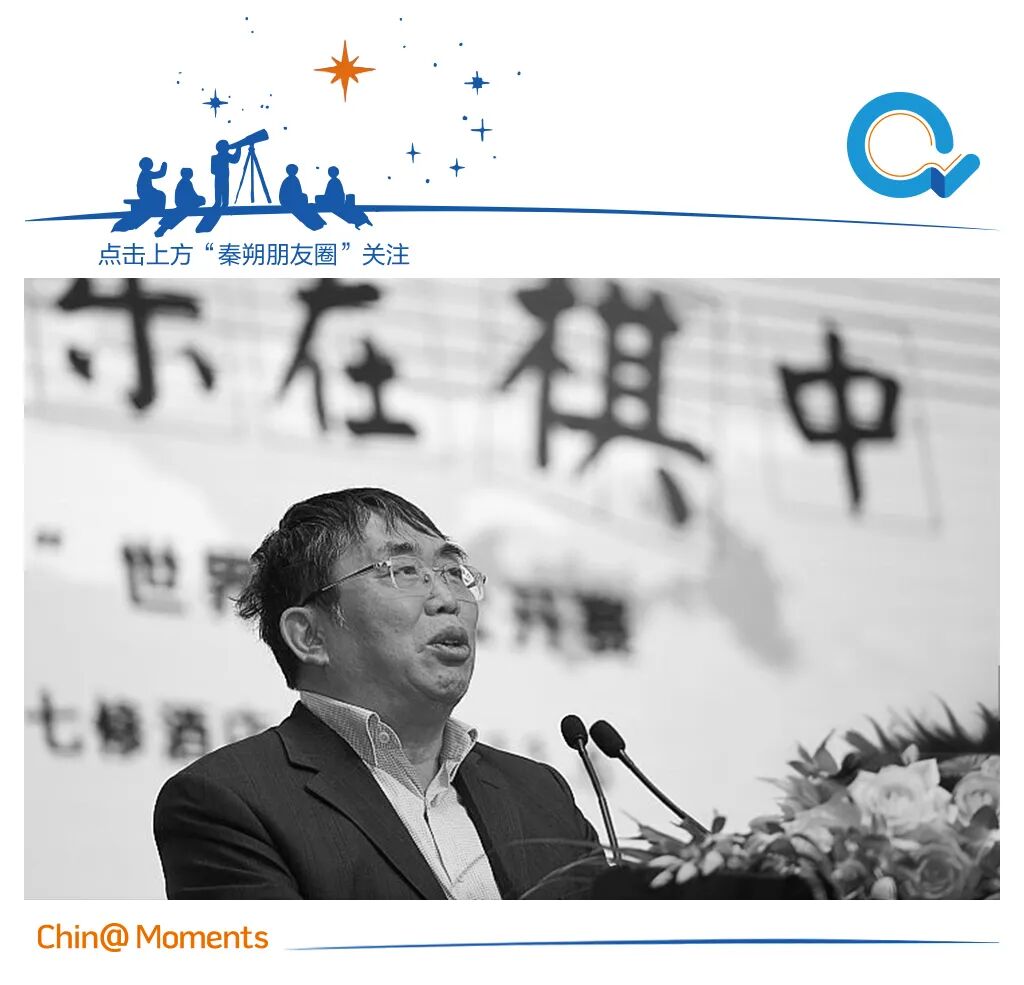
纪念聂卫平和我们已远去的青春
Xin Lang Cai Jing· 2026-01-19 23:21
Group 1 - The passing of Nie Weiping, a legendary figure in Go, evokes deep nostalgia and reflection on a bygone era of Chinese Go, highlighting the impact of AI on the current landscape of the game [3] - The first Sino-Japanese Go competition in 1985 marked a significant moment in China's cultural and competitive resurgence, as it occurred during a time of national awakening and realization of past disparities in various fields, including Go [4] - The initial excitement generated by the competition was met with the harsh reality of Japan's superior Go skills, leading to a sense of national pride and hope when Nie Weiping achieved a notable victory against a top Japanese player [7][9] Group 2 - The narrative of Nie Weiping's victories in subsequent competitions, including an impressive eight consecutive wins, symbolizes a broader national spirit of resilience and determination during the 1980s [10][11] - The evolution of the Go scene in China, transitioning from Nie Weiping's era to the rise of other prominent players, reflects the changing dynamics and competitive landscape within the sport [13] - The cultural significance of Go as a representation of national identity and spirit during a transformative period in China is emphasized, showcasing how the game served as a metaphor for the country's struggles and aspirations [14][19]

使思想活起来
Xin Lang Cai Jing· 2026-01-16 18:01
Group 1 - The core principle of reform is to maintain the vitality of thought, which is essential for the development of advanced productivity and culture [1][3] - Identifying and addressing core issues through in-depth research and systematic thinking is crucial for effective reform [1][2] - Reform requires courage to innovate and the wisdom to execute effectively, balancing various interests while breaking outdated thought patterns [2][3] Group 2 - Continuous effort and practical results are vital for successful reform, necessitating a persistent and determined approach [2] - Mechanisms must be established to ensure that reform measures translate into tangible benefits for the workforce and community [2] - Innovation and the liberation of thought are fundamental drivers for building a modern socialist system, emphasizing the need for proactive and creative approaches [3]
学有所悟丨守正创新展现新作为
Zhong Yang Ji Wei Guo Jia Jian Wei Wang Zhan· 2025-12-18 00:06
Core Viewpoint - The article emphasizes the need for reform in the discipline inspection and supervision work, urging officials to break free from conventional thinking and adapt to new challenges for high-quality development [1][2][3]. Group 1: Reform and Development - The call for a "year of standardized, legalized, and regularized construction of discipline inspection and supervision work" is a significant measure to implement the directives of General Secretary Xi Jinping and the Party Central Committee [1]. - Discipline inspection and supervision officials are encouraged to adapt to the standards of "three transformations" and effectively implement new policies and regulations in their work [1][3]. Group 2: Overcoming Conventional Thinking - The article highlights the dangers of relying too heavily on past experiences, which can lead to passive work and mistakes if new situations are not adequately analyzed [2]. - It stresses the importance of utilizing big data and artificial intelligence to improve work efficiency and accurately identify deep-rooted issues [2][4]. Group 3: Guiding Principles - The article advocates for a scientific theoretical approach to guide the discipline inspection and supervision work, emphasizing the integration of Xi Jinping's thoughts with practical applications [3]. - It underscores the principle of seeking truth from facts, which is essential for effective governance and compliance with regulations [3]. Group 4: Tackling Corruption - The need for a proactive approach in combating both traditional and new forms of corruption is highlighted, with an emphasis on the ability to tackle difficult issues and uncover hidden problems [5]. - The article calls for continuous improvement in professional skills and legal awareness among discipline inspection officials to effectively address complex corruption cases [5].
“北临沂”将“南义乌”作为主要对标对象
Qi Lu Wan Bao Wang· 2025-08-07 15:01
Core Viewpoint - The city of Linyi aims to bridge the gap with developed regions by adopting a benchmarking approach against Yiwu, focusing on innovation and international trade to enhance its economic development [1][3][5]. Group 1: Benchmarking and Comparison - Linyi has chosen Yiwu as a primary benchmark due to its success as a "global small commodity city" and its extensive experience in international trade and logistics [3][5]. - Despite Linyi's growth to a trillion-level market and accolades such as "China's Market City" and "China's Logistics Capital," it still lags behind Yiwu in policy innovation and international trade capabilities [3][5]. Group 2: Development Initiatives - The Linyi Municipal Committee has initiated a "liberate thoughts, benchmark learning" campaign, encouraging various departments to develop benchmarking plans against Yiwu and Quanzhou [5][6]. - The city plans to enhance its online marketplace capabilities and expand its international presence, with goals to onboard 10,000 businesses and 100,000 products on its digital platform by year-end [5][6]. Group 3: Innovation and Capability Building - Linyi emphasizes the need for innovative thinking and professional skills development, urging local businesses to adopt a proactive approach to reform and innovation [6][7]. - The city aims to address operational challenges such as high customs inspection rates and improve the international trade process by fostering collaboration among various governmental departments [6][7]. Group 4: Learning from Successful Models - Linyi looks to Quanzhou's long-term dedication to core industries as a model for its own businesses, encouraging a focus on quality and innovation [7]. - Local business leaders recognize the need to increase investment and adaptability to market changes in order to compete effectively with counterparts in Quanzhou [7].