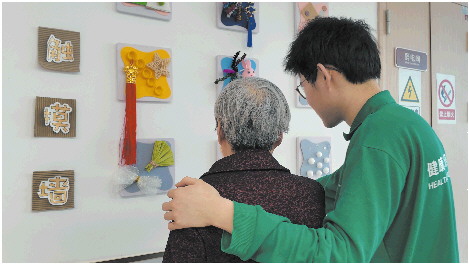
认知症照护

Search documents
泰康《陪你老》在上海发布 聚焦认知症照护
Huan Qiu Wang· 2026-02-10 12:12
Core Insights - The documentary "Accompanying You in Old Age" aims to raise public awareness about dementia care, highlighting the struggles faced by families dealing with cognitive disorders [1][3][11] Group 1: Dementia Care Challenges - Over 53 million individuals aged 60 and above in China are estimated to suffer from cognitive disorders, making dementia care a pressing social issue [1] - The behaviors exhibited by dementia patients, such as fear and confusion, reflect the profound impact of the disease on their ability to interact with the world [1] Group 2: Professional Care Initiatives - The Shanghai branch of Taikang Home emphasizes the urgent need for high-quality elderly care, particularly specialized dementia care, in a city with a high aging population [2] - Taikang Home has developed a unique dementia care system called "Home's Direction," which integrates medical and nursing care, providing a supportive environment and various therapeutic activities [9] Group 3: Personal Experiences and Testimonials - Family members of dementia patients shared their experiences, highlighting the positive changes observed after their loved ones received professional care at Taikang Home, including improved nutrition and emotional well-being [5][7] - The care team's personalized interventions, such as tailored nutrition plans and emotional support, have significantly slowed the progression of dementia symptoms [7] Group 4: Future Developments - Taikang Home plans to expand its dementia care services across broader regions, aiming to meet the needs of more families and provide reliable support for the elderly [11] - The initiative seeks to transform the narrative around dementia care from mere survival to a focus on hope and professional support, emphasizing the importance of empathy and patience in caregiving [11]



泰康之家·申园十年实践缩影:《陪你老》公益微纪录片上海首映聚焦认知症照护
Jin Rong Jie· 2026-02-10 09:09
Core Insights - The article highlights the growing issue of dementia care in China, with over 53 million individuals aged 60 and above suffering from cognitive impairments, emphasizing the urgent need for specialized dementia care services [1] Group 1: Company Initiatives - TaiKang Home has collaborated with renowned documentary directors to create a public welfare micro-documentary titled "Accompany You to Grow Old," aimed at raising awareness about dementia care [1] - The Shanghai branch manager of TaiKang Home stated that Shanghai, being a highly aged city, has an urgent demand for high-quality elderly care, particularly for professional dementia care services [2] - The general manager of the integrated care department at TaiKang Home shared that the documentary serves as a mirror reflecting the challenges faced by families dealing with dementia, and it is a call to society to pay attention to this issue [3] Group 2: Care System and Practices - The forum showcased TaiKang Home's unique dementia care system, which is based on a person-centered care philosophy, integrating medical and nursing services to provide a supportive environment and various therapeutic activities [9] - A family member shared a personal experience, highlighting the significant improvements in her mother's condition after receiving professional care at TaiKang Home, including a personalized nutrition plan and emotional support [7] - TaiKang Home has developed an international standard long-term care system and a multidisciplinary care model, aiming to provide comprehensive support for elderly individuals with dementia [9] Group 3: Future Plans - The assistant general manager of TaiKang Life's Shanghai branch announced plans to expand their dementia care services to cover a broader area, addressing the needs of more families [11] - The initiative "Accompany You to Grow Old" is positioned not just as a slogan but as a commitment to the details of care, empathy in companionship, and professional support for families [11]

公益微纪录片《陪你老》首映!直击千万认知症群体的真实日常
Huan Qiu Wang· 2026-01-26 07:42
Core Viewpoint - The documentary "Accompanying You to Old Age" highlights the challenges faced by families caring for dementia patients, emphasizing the need for societal awareness and support for this growing issue in China [6][18]. Group 1: Dementia Statistics and Social Issues - In China, there are over 53 million individuals aged 60 and above with cognitive impairments, including 38.77 million with mild cognitive impairment and 15.07 million with dementia, making dementia care a pressing social issue [3]. - The documentary aims to shed light on the silent struggles of dementia patients and their families, while also addressing the broader societal implications of this condition [11][18]. Group 2: Documentary Production and Impact - "Accompanying You to Old Age," directed by renowned filmmakers, is set to premiere on January 27, 2026, and has already garnered significant attention from both the industry and the public [6][18]. - The film, which spans 35 minutes and includes interviews with 19 elderly individuals and their families, aims to present the often-overlooked details of life in elder care facilities [13]. Group 3: Caregiver Experiences and Challenges - Young caregivers featured in the documentary share their personal growth and the emotional challenges they face while caring for dementia patients, highlighting the importance of their roles [9][15]. - The documentary illustrates the emotional turmoil experienced by both patients and their families, showcasing the caregivers' dedication and the meaningful connections they form with the elderly [19]. Group 4: Initiatives and Future Plans - The premiere event served as a platform for discussing dementia care, with plans for the "TaiKang Home Dementia Public Welfare Action" to be launched, focusing on early screening, family support, and public education [18]. - The initiative aims to create a comprehensive support network for dementia patients and their families, including training programs for caregivers and community outreach efforts [18].
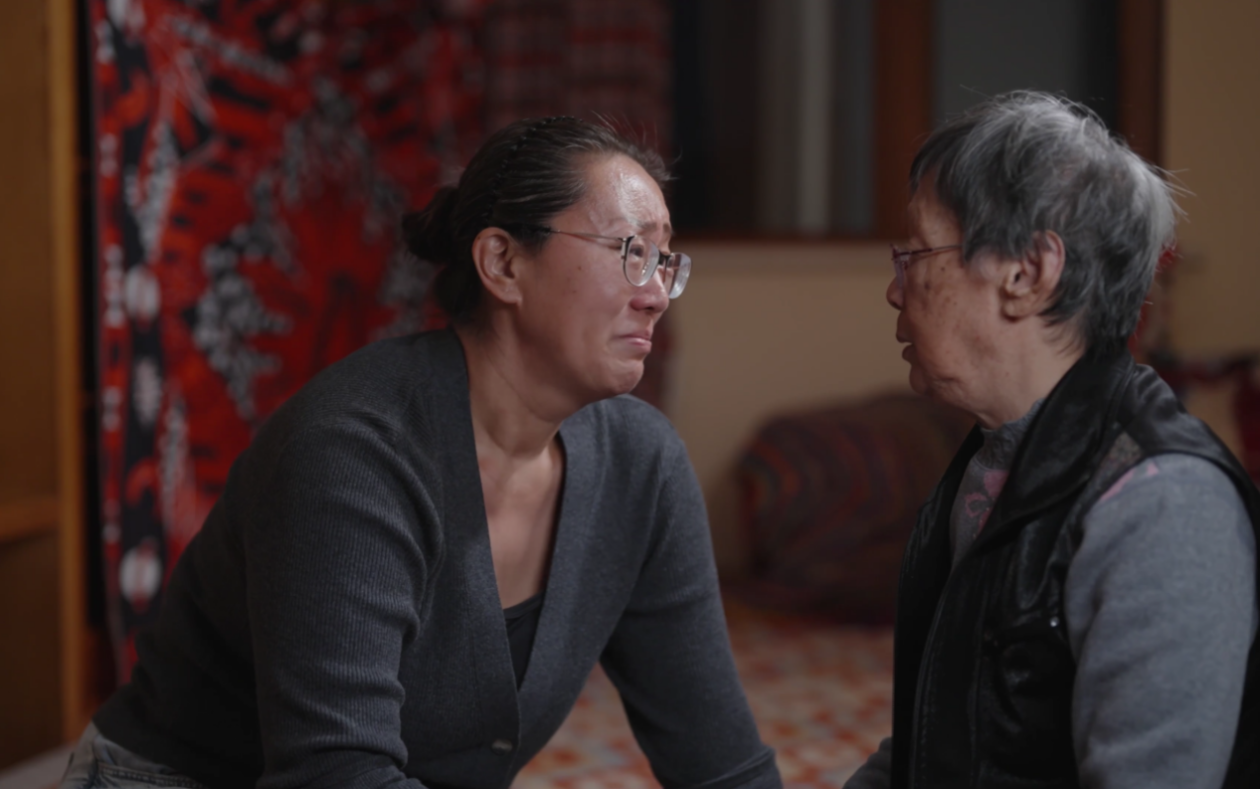
认知症照护的中日实践比较:以专业破局,以需求立根
Di Yi Cai Jing· 2026-01-26 04:08
Core Insights - The core of the elderly care industry lies in the integration of experiences and innovative concepts, emphasizing the importance of mutual understanding and collaboration among stakeholders [1] Group 1: Japanese Care Model Insights - Japan has developed a mature dementia care system with 342 institutions, 308 of which focus on dementia care, maintaining an occupancy rate of over 97% [2] - The Japanese care insurance system allows institutions to focus on service quality rather than operational management, with centralized support for staffing and logistics [2] - Public awareness of dementia in Japan is integrated into education, enabling families to make informed decisions about care options early on [2] Group 2: Training and Professional Development - Japan has a well-established training system for caregivers, emphasizing empathy and understanding the needs of the elderly [3] - The professional development pathway for caregivers in Japan is clear, encouraging certification and continuous learning through competitions that promote knowledge sharing [3] Group 3: Localization of Care Practices - Only 20% of Japanese care practices can be directly applied in China, highlighting the need for localization due to cultural and systemic differences [4] - The Chinese care system faces challenges such as a lack of public awareness and the dual role of care institution directors, who must manage both service and operational aspects [4] Group 4: Addressing Stigma and Awareness - In China, stigma surrounding dementia leads to delayed care seeking, with many families unaware of the benefits of professional care [5] - The urgency for public education on dementia is emphasized, as many families miss critical opportunities for timely intervention [5] Group 5: Talent Shortage and New Generations - The aging workforce in the elderly care sector is being revitalized by younger generations who bring new ideas and digital tools to enhance service efficiency [8] - The increasing presence of younger caregivers is seen as a key factor in transforming the elderly care industry into a vibrant sector [8] Group 6: Financial Solutions and Industry Collaboration - The high cost of care is a significant barrier for families, with a need for more commercial insurance products linked to care institutions to alleviate financial pressure [10] - A collaborative approach among care institutions, insurance providers, and government policies is essential for the sustainable development of the elderly care industry [10] Group 7: Fundamental Care Philosophy - The essence of dementia care should focus on understanding and respecting the individual needs of the elderly, moving beyond basic physiological care to address emotional and psychological needs [9] - The industry must recognize that true care involves fostering dignity and quality of life for the elderly, which requires a deep understanding of their unique needs [9]
公益微纪录片《陪你老》首映!开启一场关于认知症的全民对话
Xin Lang Cai Jing· 2026-01-26 03:59
Core Insights - The documentary "Accompanying You in Old Age" focuses on the challenges faced by families dealing with cognitive disorders, highlighting the urgent need for societal attention to dementia care [2][4] - The film is set to premiere on January 27, 2026, and has already garnered significant public and industry interest due to its creators' previous successful work [1][3] Group 1: Documentary Overview - "Accompanying You in Old Age" is not just a documentary but serves as a mirror reflecting the struggles of millions of families affected by cognitive disorders [2][4] - The film is a collaborative effort between Taikang Home and renowned documentary directors Ren Changzhen and Zhou Yijun, following their previous project "Learning to Grow Old" [1][3] Group 2: Social Initiative - At the premiere, Taikang Home announced the launch of the "Taikang Home Dementia Public Welfare Action," which aims to create a comprehensive support network for elderly individuals with cognitive disorders over the next three years [2][4] - The initiative will include three main actions: "Cognitive Classroom," "Memory Early Screening," and "Family Empowerment," focusing on early screening, family support, professional intervention, and public education [2][4] - The project plans to implement cognitive screening procedures, develop educational courses, and train over 100 volunteers to assist with early screening and care for cognitive disorders [2][4]
公益微纪录片《陪你老》将于1月27日上线播出
Jing Ji Guan Cha Wang· 2026-01-26 01:03
Core Insights - The documentary "Accompanying You in Old Age," co-produced by Taikang Home and directors Ren Changzhen and Zhou Yijun, focuses on the challenges faced by individuals and families affected by cognitive disorders in China, highlighting the urgent need for societal attention to this issue [1][2] Group 1 - The documentary aims to raise awareness about the over 53 million individuals aged 60 and above in China who suffer from cognitive impairments, including 38.77 million with mild cognitive impairment and 15.07 million with dementia [1] - The film captures the silent struggles of those affected by cognitive disorders and the emotional support provided by caregivers and family members, bringing to light the broader societal issues related to cognitive health [1] Group 2 - Taikang Home launched the "Taikang Home Dementia Public Welfare Action" at the premiere, committing to a three-year initiative in collaboration with the Taikang Yicai Public Welfare Foundation [2] - The initiative will focus on three main actions: "Cognitive Classroom," "Memory Early Screening," and "Family Empowerment," aiming to create a comprehensive support network for elderly individuals with cognitive disorders [2] - The project plans to implement cognitive screening procedures, develop educational courses, and train over 100 volunteers to conduct early screenings and provide essential care information [2] - Taikang Home aims to conduct regular public cognitive screenings and interventions in core urban communities, reaching over 10,000 elderly individuals and offering hundreds of caregiver training sessions and professional care service experiences [2]
国家出手,养老机构下一个必争之地来了
3 6 Ke· 2025-12-18 01:27
Core Insights - The approval of the "Guidelines for the Care of Elderly People with Cognitive Impairment" by the National Market Supervision Administration marks a significant step towards standardizing the care for dementia patients, addressing the long-standing lack of unified norms in the industry [1] Group 1: Market Demand and Trends - The demand for dementia care services is rapidly increasing due to factors such as aging population, extended life expectancy, and smaller family structures, leading to a higher reliance on institutional care [2][3] - By 2030, the number of elderly dementia patients in China is expected to reach 22.2 million, increasing to 28.98 million by 2050, making China the country with the highest and fastest-growing number of dementia patients globally [2] - The aging dependency ratio in China is projected to exceed 50% by 2035 and reach 67.9% by 2050, indicating a significant reduction in family caregiving resources [2] Group 2: Advantages of Professional Care - Professional care institutions offer numerous advantages over family care, including specialized support that evolves with the progression of dementia, addressing both physical and psychological needs [3] - Facilities are equipped with age-appropriate and even smart modifications, ensuring a safe and comfortable living environment for dementia patients [3] - Comprehensive care services provided by professional institutions cover daily living assistance, dietary management, medical monitoring, rehabilitation training, and psychological support [3] Group 3: Talent Shortage and Training - The lack of a sustainable talent system in dementia care is a critical issue, with a significant gap between the number of caregivers and the actual demand for care services [4][5] - The complexity of dementia care requires caregivers to possess a higher level of knowledge and skills, which current training systems are still developing [4][5] - Efforts are being made to enhance the training and professional development of caregivers, including integrating dementia care knowledge into vocational education and expanding training programs [6][8] Group 4: Collaborative Efforts and Initiatives - Collaborative efforts among government, educational institutions, and social organizations are essential to address the talent shortage in dementia care, with initiatives aimed at improving training and increasing the attractiveness of caregiving careers [6][11] - The "Yiqi Guardian" initiative aims to enhance the recognition and honor of caregivers, promoting sustainable development in the elderly care sector [8][10] - The "Yiqi Guardian" project has already supported numerous elderly care institutions and trained over 149,000 caregivers, significantly improving service quality [10] Group 5: Innovations in Care Models - The evolving service models in dementia care are becoming a key competitive factor for elderly care institutions, with a focus on specialized and high-quality services [12][14] - The decline in available nursing home beds, from a peak of 8.294 million in 2022 to below 8 million in 2024, highlights the mismatch between supply and demand in elderly care services [12][14] - Institutions are increasingly focusing on creating specialized care areas for dementia patients, transitioning from scattered care to concentrated, professional support [14][15] Group 6: Future Outlook - The implementation of the new guidelines is a crucial step in addressing the care needs of the elderly with cognitive impairments and opens up new opportunities for standardized development in the dementia care industry [16] - Despite challenges such as talent shortages, a collaborative framework involving government, institutions, and social participation is expected to accelerate the development of the industry [16]

从“看管”到科学干预,中国阿尔茨海默病照护进入精准化时代
Hua Xia Shi Bao· 2025-09-22 08:24
Core Insights - The article highlights the challenges faced by families caring for loved ones with dementia, emphasizing the emotional toll and the need for understanding the disease's progression [1][8] - It introduces the "Five Color Butterfly Model" developed by Taikang Home, which categorizes dementia into five stages, each requiring different care approaches [5][6] Group 1: Understanding Dementia Care - The article discusses the emotional and psychological challenges of caring for dementia patients, noting that over 17 million people in China are affected [1] - Taikang Home aims to address the core issue of misunderstanding the disease's stages and the psychological needs behind behaviors [1][4] Group 2: Therapeutic Approaches - Various therapeutic methods such as music therapy, nostalgia, and multi-sensory stimulation are integrated into Taikang Home's care model to enhance the quality of life for dementia patients [2][3][7] - The "Five Color Butterfly Model" is explained in detail, with each color representing a different stage of dementia and corresponding care strategies [6][7] Group 3: Impact of Care Models - The article presents evidence that Taikang Home's approach has led to a 90% improvement rate in residents exhibiting Behavioral and Psychological Symptoms of Dementia (BPSD) [7] - Families report significant relief and improved emotional connections with their loved ones after receiving professional care, highlighting the importance of a person-centered approach [8]
认知症老人如何照护?
Qi Lu Wan Bao· 2025-06-08 21:27
Core Insights - The establishment of the first comprehensive dementia prevention and care center in Jinan, which integrates prevention, screening, rehabilitation, and care services [2][3][4] - The center has quickly reached full capacity, indicating a high demand for specialized dementia care services [3][4] - The center employs a multidisciplinary team to provide personalized care plans and incorporates advanced cognitive rehabilitation techniques [3][4] Group 1: Center Features - The dementia care center includes various sensory and cognitive stimulation areas, such as a multi-sensory room and cognitive activity room, designed to aid memory and recognition [3] - Unique interventions like the "doll therapy" have been developed to alleviate behavioral issues in dementia patients [4] - The center has been recognized as a designated institution for promoting dementia care in Jinan, participating in community health screenings [5] Group 2: Community Impact - The aging population is leading to increased cases of dementia, creating significant challenges for families [5] - A dedicated expert advisory group has been formed to guide dementia care initiatives across the city, focusing on knowledge dissemination and community rehabilitation [5] - The center's efforts align with the 2025 municipal project aimed at enhancing care services for elderly individuals with dementia [5]