货币体系变革

Search documents
多空僵持不下 金价向上突破还是向下回调
Sou Hu Cai Jing· 2026-02-26 22:30
Core Viewpoint - The gold price is currently experiencing fluctuations around the $5200 per ounce mark, influenced by mixed market sentiments regarding interest rate expectations and geopolitical uncertainties [1][3]. Market Dynamics - The recent trading days have seen the London gold spot price oscillate near $5200 per ounce, with a peak of $5205.47 per ounce on February 26 [1]. - The market is divided, with expectations of a potential easing of interest rates from the Federal Reserve, while geopolitical tensions continue to support safe-haven demand for gold [1][2]. Short-term Analysis - Analysts suggest that gold prices are unlikely to break through current resistance levels until clearer signals regarding interest rate cuts emerge [3][4]. - The recent hawkish tone from the Federal Open Market Committee (FOMC) minutes indicates that inflation remains a concern, which may limit the need for further monetary easing [3]. Long-term Outlook - Despite short-term pressures, the long-term fundamentals for gold remain strong, with supply-demand dynamics expected to remain tight [5]. - Global gold demand is projected to exceed 5000 tons for the first time in 2025, driven by strong investment demand and central bank purchases [5][6]. Institutional Perspectives - Major financial institutions, such as JPMorgan, have raised their long-term gold price forecasts, predicting a price of $4500 per ounce, with a potential rise to $6300 per ounce by the end of 2026 [6][7]. - UBS Wealth Management anticipates that a weaker dollar and declining real interest rates will support gold prices, projecting two rate cuts from the Federal Reserve this year [7].
多空僵持不下金价向上突破还是向下回调
Zhong Guo Zheng Quan Bao· 2026-02-26 20:28
Core Viewpoint - The gold price is currently experiencing fluctuations around the $5200 per ounce mark, influenced by mixed market sentiments regarding interest rate expectations and geopolitical uncertainties [1][2]. Market Dynamics - The recent trading days have seen the London gold spot price oscillating near $5200 per ounce, with a peak of $5205.47 per ounce on February 26 [1]. - The market is divided, with expectations of a potential interest rate cut from the Federal Reserve being tempered by persistent inflation, as indicated by a 3% year-on-year increase in the core PCE for December 2025, which is still above the target of 2% [1][2]. - The geopolitical landscape, particularly developments involving Iran, is contributing to market volatility and supporting safe-haven demand for gold [2][3]. Short-term Outlook - Analysts suggest that gold prices are unlikely to break through the $5200 resistance level until clearer signals regarding interest rate cuts emerge [3]. - The recent ruling by the U.S. Supreme Court regarding tariff measures is expected to have a limited impact on gold prices, as the administration plans to implement tariffs through other means [3]. Medium to Long-term Trends - Despite short-term pressures, the medium to long-term outlook for gold remains positive due to tight supply-demand dynamics and ongoing changes in the monetary system [4][5]. - UBS forecasts that global gold demand will exceed 5000 tons for the first time in 2025, driven by strong investment demand and central bank purchases [4]. - On the supply side, a significant number of gold mines are projected to face resource depletion risks by 2028, which may limit supply growth despite high gold prices incentivizing exploration [4]. Price Predictions - JPMorgan has raised its long-term gold price forecast by 15% to $4500 per ounce, with expectations that the London gold spot price could reach $6300 per ounce by the end of 2026 [5]. - The macroeconomic environment, including a potential softening of the dollar and declining real interest rates, is expected to support gold prices, with predictions of two 25 basis point rate cuts by the Federal Reserve this year [5].
稳步发展数字人民币 夯实强国建设根基
Shang Hai Zheng Quan Bao· 2026-01-13 18:34
Core Viewpoint - The development of digital RMB is a crucial strategic initiative for China's financial security and modernization, transcending mere technological advancement to encompass financial safety, institutional innovation, and support for high-quality economic growth [1][2]. Group 1: Importance of Digital RMB - Digital RMB serves as a key vehicle for modernizing national financial infrastructure and addressing challenges posed by traditional payment systems and private digital currencies [2][3]. - The initiative is positioned as a strategic pillar for building a strong financial nation, facilitating financial security, and empowering the real economy [1][2]. Group 2: Current Advantages for Development - China has established a clear top-level design, mature technical foundation, and a well-developed industrial ecosystem, providing a solid basis for the development of digital RMB [7]. - The national consensus on the strategic importance of digital RMB is reflected in the "14th Five-Year Plan," which emphasizes its steady development [8]. Group 3: Challenges Ahead - The global competition in digital finance and the expansion of stablecoins pose significant challenges to the development of digital RMB, necessitating a focus on both external geopolitical dynamics and internal technical and regulatory frameworks [12][13]. - There are systemic challenges related to technology support, mechanism coordination, and governance that hinder the large-scale implementation of digital RMB [16][17]. Group 4: Recommendations for Improvement - It is recommended to elevate the strategic positioning of digital RMB, enhance regulatory frameworks, and strengthen international dialogue on standards [19][20]. - Expanding application scenarios and optimizing the operational ecosystem for digital RMB are essential for its successful integration into the financial system [22][23].

今日金价!1月9日最新黄金价格!各大金店、黄金回收价格查询
Sou Hu Cai Jing· 2026-01-10 17:10
Group 1 - In 2025, gold prices surged by 65% and silver prices increased by nearly 150%, leading to profit-taking and fund rebalancing at year-end [1] - Major financial institutions like Goldman Sachs and UBS have set gold price targets above $5000 per ounce, with some analysts suggesting a potential rise to $6000 if geopolitical risks escalate or if the Federal Reserve continues to lower interest rates [1] - China's gold reserves reached 74.15 million ounces by December 2025, marking 14 consecutive months of increases, reflecting the country's commitment to risk prevention amid a depreciating dollar and rising U.S. debt risks [1] Group 2 - China's gold reserves account for only 9.5% of its foreign exchange reserves, significantly lower than over 60% in Western countries, indicating substantial growth potential for official demand in the coming years [2] - The booming photovoltaic industry is driving strong demand for silver, with expectations that silver demand will triple over the next five years due to increased demand for silver paste in high-efficiency batteries [2] - The price of gold bars from major brands like Chow Tai Fook remains high at around 1398 RMB per gram, despite fluctuations in international gold prices, indicating a significant brand premium and consumer preference for brand value [2][3] Group 3 - The price differences between major brands and other gold retailers highlight the substantial brand premium and operational costs, which can add 200-300 RMB to the price of gold [3] - The price of gold investment bars varies significantly between banks, with Industrial and Commercial Bank of China offering a price of 993 RMB per gram, while smaller banks charge up to 1043 RMB per gram [3] - The recent increase in margin requirements by CME has forced some investors to liquidate positions, which may help eliminate speculative traders and retain long-term investors who understand market dynamics [3] Group 4 - The silver market is experiencing a supply crunch, with LBMA silver inventories having decreased by one-third, currently standing at just over 200 million ounces, while daily trading volume exceeds 250 million ounces [4] - The silver leasing rate has surged to 40%, indicating a potential short squeeze in the market [4] - The gold recycling market is undergoing transformation with new regulations ensuring transparent pricing and accurate weight measurements, leading to increased popularity of legitimate recycling platforms [4] Group 5 - The current market dynamics indicate that the recent price increases are not merely cyclical but represent a deeper transformation in the monetary system, emphasizing the strategic asset status of gold and silver [6]

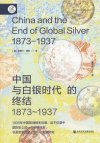
银色的落幕与回响
Bei Jing Wan Bao· 2025-10-24 07:51
Core Insights - The article discusses the transition from a silver-based monetary system to a gold standard in the late 19th and early 20th centuries, highlighting China's unique position as a major user of silver during this period [3][4][5] - It emphasizes the complex interactions between global monetary changes and China's declining silver economy, revealing how international powers influenced China's monetary system for their own economic benefits [6][8] Group 1: Historical Context - In the late Ming Dynasty, the demand for a stable currency grew due to the flourishing commodity economy, leading to silver becoming the dominant form of currency in China [4] - The Qing Dynasty faced a chaotic monetary system with multiple currencies in circulation, which complicated trade and hindered economic development [5] Group 2: Foreign Influence - Foreign powers, particularly in the late 19th and early 20th centuries, exerted significant control over China's monetary system, using various means to further their economic interests [6][8] - The establishment of foreign banks, such as HSBC, played a crucial role in shaping China's silver trading and financial practices, reflecting the passive position of China's monetary system in the international economic landscape [6] Group 3: National Reforms - The Nationalist government attempted to reform the chaotic monetary system, culminating in the 1935 introduction of a new currency, the "Legal Currency," which centralized currency issuance and marked the end of the silver standard [7] - Despite facing challenges like war and inflation, the reform was a significant step towards modernizing China's monetary system and reducing reliance on silver [7] Group 4: Implications and Lessons - The end of the silver era illustrates both the inevitability and randomness of historical change, driven by external interventions and internal modernization needs [8][9] - The study of this period provides valuable insights into the importance of a stable and autonomous monetary system for national economic development, especially in the context of globalization [9]
央行疯狂囤金,预示着什么?
Sou Hu Cai Jing· 2025-10-20 02:18
Group 1 - The core viewpoint is that central banks are strategically increasing their gold reserves as a response to the declining trust in the US dollar and global economic uncertainties [1][11] - 95% of surveyed central banks believe global gold purchases will continue over the next 12 months, with 76% planning to increase their own gold holdings [1][3] - The trend of central banks accumulating gold is not a short-term speculation but a collective strategic move to hedge against the depreciation of the dollar and geopolitical risks [3][4] Group 2 - Central banks are focusing on three main "hard demands" for gold: hedging against the declining credit of the dollar, diversifying asset portfolios, and enhancing their negotiating power in the global market [3][7] - The proportion of gold in central bank reserves has surpassed that of US Treasury bonds for the first time since 1996, indicating a shift in asset preference [4][8] - Emerging market central banks, such as those in Brazil and India, are leading the gold purchasing trend as they seek to reduce reliance on the dollar and strengthen their monetary sovereignty [7][8] Group 3 - China's central bank has increased its gold reserves for 11 consecutive months, reaching 2,303.5 tons by the end of September, with Poland and Brazil also making significant purchases [5] - The total net gold purchases by central banks in the second quarter amounted to 166 tons, which, despite a slight decrease from the previous year, remains double the average annual amount in the 2010s [5][8] - The overall global official reserves now show gold accounting for 20%, surpassing the euro's 16% and only trailing behind the dollar's 46%, indicating a changing reserve landscape [8][11]

央行连续第11个月增持,黄金为何仍是金融安全的“稳定器”?
Di Yi Cai Jing· 2025-10-15 08:18
Core Viewpoint - In recent years, gold has gained increasing attention as a financial asset in China, reflecting a shift in asset allocation focus from "dollars" and "U.S. Treasuries" to gold, driven by factors such as monetary credit, geopolitical tensions, and global risks [1][2]. Group 1: Central Bank's Logic for Increasing Gold Reserves - The continuous increase in gold reserves by the central bank is a strategic consideration aimed at enhancing financial security and reducing dependence on U.S. dollar assets, thereby mitigating the influence of dollar hegemony [2][3]. - Gold's strong value preservation attributes make it an effective hedge against inflation and asset depreciation, especially in the context of global monetary expansion and persistent inflationary pressures [2][3]. Group 2: Historical Price Evolution of Gold - Gold has historically been used as currency, with its value stability primarily determined by its scarcity, peaking during the gold standard era in the 19th century [4]. - The price of gold experienced significant fluctuations post-1971, particularly during the 1970s oil crisis and the 2000s financial crises, highlighting its role as a crisis hedge [5][6]. Group 3: Current "Gold Rush" and Future Implications - The recent trend of increasing gold reserves by central banks, including China, reflects a broader global demand for asset safety and diversification amid a complex international political and economic environment [7][8]. - The ongoing geopolitical conflicts and rising inflation expectations are likely to sustain upward pressure on gold prices, as investors seek refuge in gold during times of uncertainty [7][8]. Group 4: Structural Differences in the Current Gold Market - Unlike previous gold bull markets, the current "gold rush" is characterized by collective buying from multiple central banks, including Russia and India, indicating a systemic hedge against dollar credit [8]. - The rapid transformation of the financial system, driven by the rise of digital currencies and blockchain technology, is reshaping the traditional monetary landscape and enhancing gold's value proposition [8].
特朗普前顾问猛烈抨击美联储:应进行结构性改革!
Jin Shi Shu Ju· 2025-07-22 09:44
Core Viewpoint - The article discusses the need for structural reform of the Federal Reserve, emphasizing systemic issues beyond short-term interest rate decisions, as highlighted by Judy Shelton and Kevin Warsh [1] Group 1: Federal Reserve's Challenges - Shelton identifies deeper systemic problems within the Federal Reserve, including its models, structure, and the way meetings are organized [1] - There is a call to integrate the Federal Reserve into broader economic and national security strategies [1] - Shelton questions the democratic legitimacy of the Federal Reserve's independence, arguing that its leadership cannot be dismissed by Congress or the President [1] Group 2: Financial Implications - The Federal Reserve has incurred operational losses since September 2022, with over $900 billion in unrealized capital losses in its investment portfolio [1] - Shelton criticizes the policy of paying interest on reserves held by commercial banks, stating it discourages productive investment [2] - Senator Ted Cruz advocates for the elimination of interest on reserve balances, suggesting it could save $2 trillion in deficits over the next decade [2] Group 3: Broader Economic Impact - The shift of the Federal Reserve from a profit-contributing entity to one that expands deficits raises concerns about its operational framework [2] - Economic expert Jeremy Siegel supports the scrutiny of the Federal Reserve's operations due to its changing role in the economy [2]
稳定币会影响黄金吗
2025-07-16 06:13
Summary of Conference Call Notes Industry and Company Involved - The discussion primarily revolves around the **stablecoin market**, **gold**, and the **U.S. "Big America" Act** (大美利法案) which has significant implications for the global financial system and asset allocation strategies. Core Points and Arguments 1. **Market Focus**: The stablecoin market, the "Big America" Act, and their interactions with gold and the U.S. dollar are current focal points in the financial markets [2][4][12]. 2. **Performance of Gold**: Gold has shown strong performance in the first half of the year, ranking as the top asset class, similar to last year [2][4]. 3. **Stablecoin Definition**: Stablecoins are viewed as a new tool for currency transmission rather than a fundamentally new concept, essentially packaging U.S. dollars into a digital format [3][5]. 4. **Impact on Dollar and Debt**: The introduction of stablecoins may enhance the efficiency of dollar transactions but does not fundamentally alter the underlying issues of U.S. debt and currency overproduction [11][13][22]. 5. **Regulatory Developments**: The U.S. and Hong Kong have made significant strides in regulating stablecoins, which could have far-reaching effects on the global market [2][5][10]. 6. **Global Currency System**: The rise of stablecoins is seen as a potential catalyst for a more diversified global currency system, although the majority are still pegged to the U.S. dollar [12][14]. 7. **Technological Advancements**: Stablecoins leverage blockchain technology to improve transaction efficiency and reduce costs, but they do not change the fundamental nature of the underlying currencies [6][8][30]. 8. **Risks and Challenges**: The stablecoin market faces challenges such as regulatory scrutiny, potential for misuse, and the inherent risks associated with financial innovations [9][33]. 9. **Gold's Role**: Gold remains a critical asset for hedging against currency devaluation and inflation, with its intrinsic value and historical significance as a safe haven [25][27][43]. 10. **Long-term Outlook**: Despite short-term fluctuations, the long-term outlook for gold remains positive, driven by ongoing concerns about U.S. debt and inflationary pressures [38][41][44]. Other Important but Possibly Overlooked Content 1. **Manufacturing Repatriation**: The "Big America" Act aims to boost U.S. manufacturing, but the feasibility of this initiative is questioned due to the complexities of modern manufacturing and labor dynamics [20][21]. 2. **Debt Concerns**: The U.S. national debt is projected to rise significantly, which could undermine the credibility of the dollar in the long term [22][24]. 3. **Market Sentiment**: Current market sentiment is cautious, with investors advised to focus on long-term asset allocation strategies rather than short-term price movements [38][40]. 4. **Historical Context**: The discussion draws parallels between current events and historical instances of currency crises, emphasizing the cyclical nature of financial markets [28][34]. This summary encapsulates the key discussions and insights from the conference call, highlighting the intricate relationships between stablecoins, gold, and the evolving landscape of the global financial system.
黄金珠宝:新消费引领,金价共振
2025-05-20 15:24
Summary of Key Points from the Conference Call Industry Overview: Gold and Jewelry - The global supply chain is changing due to US-China trade relations and geopolitical factors, leading to increased demand for safe-haven assets like gold [1][2] - US policies, such as freezing foreign reserves and trade restrictions, weaken the dollar's credibility, prompting countries to rely more on gold, indicating a potential fragmentation of the monetary system [1][3] - Despite potential easing of US-China trade tensions and the Russia-Ukraine conflict, the macroeconomic logic supporting rising gold prices remains unchanged [1][4] Core Insights and Arguments - The pricing framework for gold has shifted; it is now influenced more by changes in the monetary system rather than just the dollar's fundamentals or real interest rates [1][11] - The rise of new consumer trends and national pride in China is driving growth in the gold and jewelry sector, benefiting brands with strong cultural attributes like Laopu Gold [1][17] - Direct sales models are more suitable for high-end products, effectively capturing customer feedback, while franchise models can dilute profit margins [1][22] - Online sales are a significant growth driver in the jewelry industry, with varying adoption rates among companies impacting overall performance [1][23] Important but Overlooked Content - The long-term investment landscape for gold is evolving, with a need for mid to long-term focus due to its low circulation and high demand from buyers [1][11] - The US's role as a global central bank inherently leads to trade deficits, which is necessary for dollar issuance [1][7] - The impact of US tariffs on global trade and the dollar's credibility is profound, with potential further escalation affecting market trust [1][8] - The jewelry industry is witnessing innovation in product design and craftsmanship, with companies like Laopu Gold leading in traditional techniques [1][19][20] - The number of retail outlets and their market positioning significantly influence company performance, with high-end brands like Laopu Gold focusing on premium locations [1][21] Investment Opportunities - Laopu Gold is highlighted as a valuable investment opportunity due to its low valuation and strong brand positioning in the new consumer landscape [1][18] - Other notable companies in the new consumer space include Chow Tai Fook, Changrong Steel, Mankalon, and Laisun Tongling, which are recommended for continued observation [1][25]