国潮崛起

Search documents
江南布衣发布2026春夏系列:以“长期主义”为锚 深耕工艺价值与品牌韧性
Zheng Quan Ri Bao Wang· 2026-03-30 13:48
Core Insights - Jiangnan Buyi aims to achieve a retail target of 10 billion yuan for the fiscal year 2026, leveraging its core brands JNBY, Suxie, and LESS to enhance its competitive edge in the high-end designer market [1][8] Brand Performance - JNBY, as the revenue backbone, generated 1.86 billion yuan in the first half of 2025, accounting for 55.1% of total revenue, with a year-on-year growth of 5.7% [2] - Suxie focuses on male consumers aged 25 to 40, emphasizing design and comfort, contributing to a 6.3% year-on-year revenue growth to 1.279 billion yuan in the first half of 2026 [2] - LESS targets professional women aged 30 to 45, becoming the fastest-growing brand within the group, aligning with the demand for "comfortable confidence" in workplace attire [2][3] Cultural and Strategic Initiatives - The "Bu Jin Qi Yong" project, initiated in 2022, emphasizes the systematic research and innovative application of traditional textile crafts, integrating cultural elements from Guizhou [4][5] - This project is seen as a key differentiator for Jiangnan Buyi, enhancing brand value and supporting high-end pricing by combining intangible cultural heritage with modern design [6][7] Growth Strategy - Jiangnan Buyi reported total revenue of 3.376 billion yuan for the first half of 2026, a 7% increase year-on-year, with net profit rising by 11.9% to 676 million yuan [8] - The company plans to leverage product upgrades, brand matrix synergy, and channel optimization to support annual growth and achieve its retail target [9][10]
“文创+”点亮新年俗 让传统年味生生不息
Xin Lang Cai Jing· 2026-02-10 00:32
Core Viewpoint - The article discusses the evolution of traditional Chinese New Year customs and the rise of cultural creative products that resonate with contemporary values, emphasizing the importance of cultural heritage in modern society [1][2][3] Group 1: Cultural Significance - The essence of the New Year celebrations, such as family reunion and blessings, remains unchanged despite the evolving forms of cultural expression [2] - Cultural creative products like the "Black Horse" and "Ma Biao Biao" reflect a blend of traditional aesthetics and modern emotional needs, making ancient culture accessible and engaging for the younger generation [1][2] Group 2: Market Trends - The popularity of cultural creative products indicates a shift in consumer behavior towards valuing cultural content over mere material satisfaction, showcasing a deeper spiritual pursuit [2] - The emergence of various cultural activities, such as archaeological creative gatherings and immersive light shows, highlights the active participation of cultural institutions and artisans in transforming cultural resources into marketable products [2] Group 3: Cultural Transmission - True cultural transmission involves adapting traditions to contemporary life rather than preserving them in isolation, allowing for a dynamic interaction between old and new [3] - The integration of traditional customs with modern creativity demonstrates the potential for cultural heritage to thrive in the current era, fostering a sense of cultural confidence and identity [3]
从平阴玫瑰到港股IPO:半亩花田上市背后的“国潮崛起”真相
Sou Hu Cai Jing· 2026-01-19 02:06
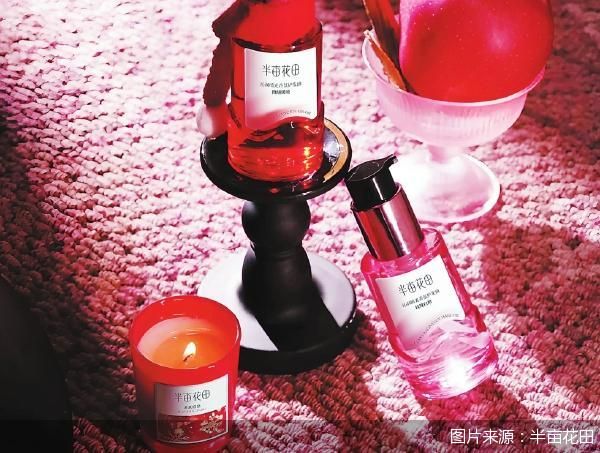
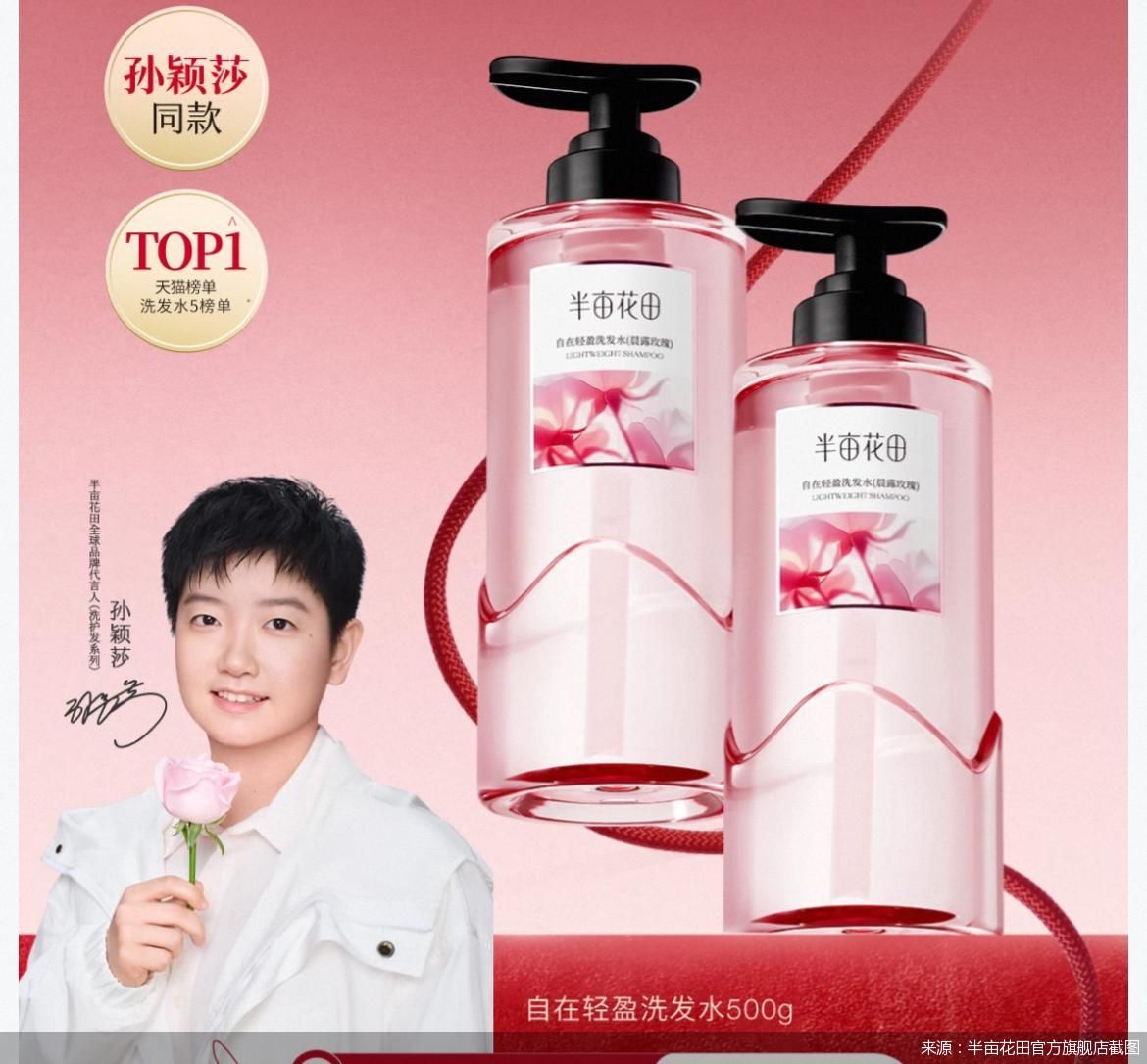
Core Viewpoint - The domestic beauty brand "Banmu Huatian" has submitted its listing application to the Hong Kong Stock Exchange, aiming to become the first domestic personal care stock in Hong Kong, with CITIC Securities as its sponsor [2] Group 1: Company Overview - Banmu Huatian's parent company, Shandong Huawutang Cosmetics Co., Ltd., was established in 2018 and operates as a full industry chain brand focusing on body care, with R&D centers in Jinan, Shanghai, and Guangzhou [2] - The company has completed two rounds of financing, attracting attention from industry players like Marubi and Lin Qingxuan [2] - According to the prospectus, Huawutang is projected to achieve revenues of 1.199 billion yuan and 1.499 billion yuan in 2023 and 2024, respectively, with adjusted net profits of 23.7 million yuan and 82.8 million yuan [2] Group 2: Product Performance - Banmu Huatian's product lines include body care, hair care, and facial care, with body and facial care accounting for over 80% of revenue in 2024 [3] - Hair care products saw significant growth, with revenue increasing from 80.884 million yuan to 482 million yuan, a 496% increase, and their revenue share rising from 7.5% to 25.4% [3][9] Group 3: Market Trends - In 2023, domestic beauty brands captured 50.4% of the market share, surpassing foreign brands for the first time, and this is expected to rise to 55.2% in 2024 [4] - Over 90% of Gen Z consumers have chosen domestic beauty brands, with nearly all post-2000 consumers having tried domestic brands [4][5] Group 4: Brand Strategy - Banmu Huatian has effectively engaged with young consumers by signing influential celebrity endorsements, which has significantly boosted its brand recognition and sales [5] - The company has established a strong product ecosystem, with standout products like the "Whitening Body Lotion" and "Ice Cream Smooth Body Scrub" achieving substantial sales [8][9] Group 5: Supply Chain and Industry Position - The success of Banmu Huatian is attributed to its deep integration of the supply chain and industry chain, allowing for effective control over raw materials and production standards [6][7] - The company has established raw material plantations across more than 10 locations in China, enhancing its supply chain capabilities [6] Group 6: Future Outlook - The competitive landscape for domestic beauty brands is intensifying, with a focus on deepening supply chain collaboration as a core competitive advantage [7] - The ability to innovate in product development through supply chain synergy will be crucial for brands to succeed in the next market cycle [7][10]


营销费用占比近半 半亩花田递表港交所
Bei Jing Shang Bao· 2026-01-18 15:25
Core Viewpoint - The company, Shandong Huawutang Cosmetics Co., Ltd., is preparing for an IPO on the Hong Kong Stock Exchange, with a focus on increasing marketing expenses to boost sales, while the industry is shifting towards R&D and innovation [1][3][8]. Financial Performance - The company reported a revenue of 11.99 billion in 2023, projected to increase to 14.99 billion in 2024, representing a 25% year-on-year growth. By the first three quarters of 2025, revenue is expected to reach 18.95 billion, showing a 76.7% increase [4]. - Adjusted net profit is expected to rise from 23.7 million in 2023 to 82.8 million in 2024, and further to 148 million in the first three quarters of 2025, marking a 197.2% increase [4]. Marketing Strategy - The company has significantly increased its marketing expenses, with monthly marketing costs nearing 100 million. For the periods ending September 30, 2024, and September 30, 2025, marketing expenses were 5 billion and 8.96 billion, respectively, accounting for 46.6% and 47.3% of revenue [5][6]. - The company has successfully leveraged online sales channels, with online revenue reaching 10.27 billion in 2023 and 14.45 billion in the first three quarters of 2025, representing 85.7% and 76.3% of total revenue [7]. R&D and Innovation - Despite the increase in marketing expenses, the company's R&D expenditure as a percentage of revenue has declined, with R&D costs of 22.34 million and 28.14 million for the first three quarters of 2024 and 2025, respectively, representing 2.1% and 1.5% of revenue [8]. - The company has established R&D centers in Shanghai, Jinan, and Guangzhou, accumulating 131 patents, indicating a commitment to enhancing its innovation capabilities [9]. Industry Context - The domestic beauty market is becoming increasingly competitive, with brands shifting focus from marketing to R&D and innovation. The company faces challenges from both established international brands and emerging local competitors [9].
半亩花田递表港交所:业绩高速增长 营销费用占比近五成
Bei Jing Shang Bao· 2026-01-18 14:44
Core Viewpoint - The company, Shandong Huawutang Cosmetics Co., Ltd., has submitted a listing application to the Hong Kong Stock Exchange, with its brand, Banmu Huatian, showing significant revenue and profit growth, driven by increasing marketing expenses. However, the competitive landscape in the domestic beauty market is shifting towards research and innovation, necessitating strategic adjustments by the company [1][4][8]. Group 1: Financial Performance - Banmu Huatian's revenue for 2023 was 1.199 billion yuan, projected to increase to 1.499 billion yuan in 2024, representing a 25% year-on-year growth. By the first nine months of 2025, revenue further rose to 1.895 billion yuan, a 76.7% increase compared to 2024 [4]. - The adjusted net profit for Banmu Huatian grew from 23.7 million yuan in 2023 to 82.8 million yuan in 2024, marking a 249.4% increase, and reached 148 million yuan in the first nine months of 2025, a 197.2% increase from the same period in 2024 [4]. Group 2: Marketing and Sales Strategy - The company has significantly increased its marketing expenses, with monthly marketing costs nearing 100 million yuan by 2025. Marketing expenses accounted for 46.6% and 47.3% of revenue in 2024 and 2025, respectively [5][6]. - Banmu Huatian has successfully leveraged online sales channels, with revenue from online platforms reaching 1.027 billion yuan in 2023 and 1.445 billion yuan in the first nine months of 2025, constituting 85.7% and 76.3% of total revenue for those periods [7]. Group 3: Industry Context and Challenges - The domestic beauty market is experiencing intense competition, with brands shifting focus from marketing to research and innovation. Banmu Huatian's R&D expense ratio has declined, with R&D expenses of 22.34 million yuan and 28.14 million yuan in the first three quarters of 2024 and 2025, respectively, representing 2.1% and 1.5% of revenue [8][9]. - The company faces challenges from both established international brands and emerging local competitors, necessitating a proactive approach to market trends and consumer preferences influenced by social media and KOL recommendations [9].
古越龙山:目前已出口至40余个国家和地区
Zheng Quan Ri Bao Wang· 2026-01-15 12:11
Core Viewpoint - Guyue Longshan, a leading Huangjiu brand, aims to establish itself as a world-class high-end liquor brand while promoting Chinese liquor culture globally [1] Group 1: Company Overview - Guyue Longshan has a 2500-year heritage of non-material cultural heritage brewing techniques [1] - The company is recognized as a "China Famous Trademark" and a "Chinese Time-honored Brand" [1] - It has exported its products to over 40 countries and regions [1] Group 2: International Expansion and Strategy - The company has established an overseas tasting hall in France to facilitate the international dissemination of Huangjiu culture [1] - Guyue Longshan's leadership is committed to exploring ways to adapt Huangjiu to global consumption scenarios [1] - The company plans to continuously deepen the cultural connotation and craftsmanship of Huangjiu in line with the rising trend of national culture [1] Group 3: Future Outlook - Guyue Longshan aims to steadily expand its international high-end channel layout [1] - The company is focused on promoting traditional liquor with Eastern charm to a broader international stage [1]

国潮崛起(下)
Jing Ji Ri Bao· 2025-12-02 22:22
Core Insights - The rise of "Guochao" (national trend) reflects the improvement in Chinese consumer spending power and cultural confidence, showcasing the ascent of Chinese manufacturing and brands [1][11] - The transformation of Chinese manufacturing from low-end to high-quality production is a fundamental aspect of the Guochao phenomenon [3][11] Group 1: Manufacturing Evolution - Chinese manufacturing has evolved from "unable to produce" to "able to produce" and now to "able to produce well," marking a significant upgrade in quality and capability [1][3] - The diversification of product offerings and improvement in quality are key foundations for the rise of Guochao, meeting the personalized and experiential consumption needs of younger consumers [2][8] Group 2: Brand Development - The shift from OEM (Original Equipment Manufacturer) to creating independent brands is crucial for enhancing the emotional and cultural value of products, allowing consumers to connect with the brand on a deeper level [5][8] - The establishment of "China Brand Day" and the recognition of Guochao as a cultural movement have contributed to the growth of brand value and market presence for Chinese companies [6][8] Group 3: Quality and Design - The focus on high-quality manufacturing and innovative design has allowed Chinese brands to compete effectively with international counterparts, providing products that are not only functional but also aesthetically appealing [4][5] - The integration of traditional cultural elements with modern aesthetics has transformed products from being merely functional to being culturally resonant and visually attractive [5][6] Group 4: International Standards and Globalization - Participation in the formulation of international standards is a critical step for Chinese brands to gain global recognition and assert their influence in the global market [9][10] - The ability to set and adhere to international standards enhances the competitiveness of Chinese manufacturing, facilitating smoother entry into global markets [10][11] Group 5: Market Dynamics - The collaboration between manufacturing enterprises and e-commerce platforms has created a robust ecosystem for promoting Guochao brands, enabling them to reach younger consumers effectively [7][8] - The emphasis on quality and innovation, combined with effective storytelling, has allowed Chinese brands to resonate with consumers and establish a strong market presence [8][11]
直播电商赋能实体经济 国货品牌绽放新活力
Jing Ji Wang· 2025-11-24 09:25
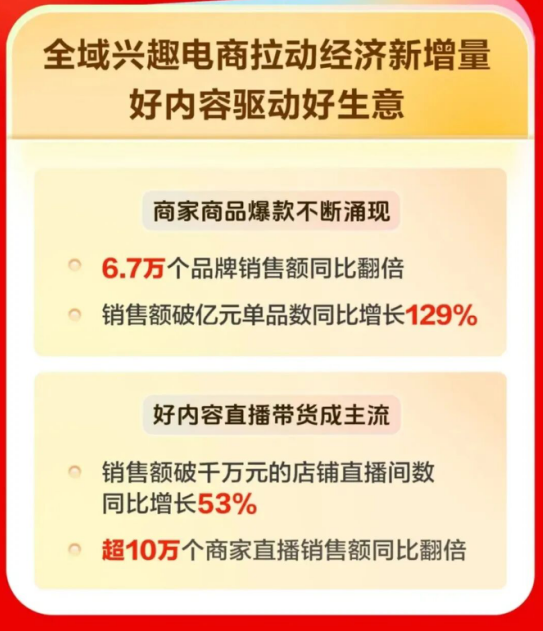
Core Insights - The 2025 "Double 11" shopping festival highlighted live e-commerce as a key driver of consumer growth, significantly boosting sales across various categories and energizing the real economy [1][3] - The report indicated that from October 9 to November 11, 67,000 brands saw their sales double year-on-year, with over 100,000 merchants also experiencing a similar increase in live sales, underscoring the pivotal role of live e-commerce in unlocking consumer potential [1][3] Group 1: Impact on Domestic Brands - Live e-commerce has broken traditional barriers, allowing domestic brands to connect directly with millions of consumers, thus becoming a crucial catalyst for the rise of national brands [3] - Established brands like Pechoin have successfully redefined their brand value through live streaming, transitioning from a focus on sales to a focus on brand value [3] - New brands such as QG Sports and Tanshan have rapidly gained market traction through live streaming, with new products quickly becoming bestsellers [3] Group 2: Economic Policy and Growth - Recent economic policies emphasize the importance of boosting consumption and integrating digital and real economies, creating a favorable environment for the growth of new consumption models like live e-commerce [3] - The Central Committee's guidelines for the 15th Five-Year Plan stress the need to enhance consumer spending and expand the supply of quality goods and services, which aligns with the growth trajectory of live e-commerce [3] Group 3: Platform Initiatives and Merchant Support - Douyin E-commerce launched the "Double 11 Good Goods Festival" on October 9, 2025, offering consumers a more convenient and affordable shopping experience with transparent discount policies [5] - The platform has implemented various merchant support policies, including the Navigation Plan, aimed at reducing operational burdens and enhancing efficiency for merchants during the competitive "Double 11" period [5] - In the first half of 2025, Douyin E-commerce saved merchants over 14 billion yuan in operational costs, with expected savings of over 1 billion yuan from shipping insurance alone during the "Double 11" event [5] Group 4: Content and Consumer Experience - High-quality content is becoming a core driver of brand growth in live streaming, transforming shopping into a cultural experience rather than just a transaction [6][7] - The integration of diverse content types, from cultural salons to traditional craftsmanship showcases, enhances the shopping experience and connects consumers with brands on a deeper level [6][7] - The successful transformation of brands like Pechoin illustrates how deep engagement with consumers through content can lead to sustained brand popularity and growth [7]
2024-2025年中免消费白皮书
Sou Hu Cai Jing· 2025-11-01 08:32
Core Insights - The 2024-2025 Consumption White Paper reveals a significant recovery in the global duty-free and travel retail market, with China Duty Free Group (CDFG) leading the industry with over 1 billion users and a focus on experiential consumption trends [1][2][3] Global Duty-Free Market Overview - The global duty-free and travel retail market is projected to reach $74.13 billion in 2024, marking a 3% year-on-year growth and recovering to 85.8% of 2019 levels [1][18] - The Asia-Pacific and European regions remain the primary markets, with notable growth in Europe, Africa, and the Middle East [1][20] - Key channels such as airports, onboard, and ferry services are experiencing significant growth, while core categories like cosmetics and alcohol show stable performance [1][20] Chinese Duty-Free Market Dynamics - CDFG holds a dominant market share of 78.7% in the Chinese duty-free market, significantly surpassing competitors like Hainan Duty Free (7.1%) and Hainan Tourism Duty Free (4.6%) [2][14] - The introduction of new delivery models and the acceleration of city duty-free store policies have enhanced shopping convenience, contributing to a 60.8% year-on-year increase in inbound tourist numbers in 2024 [2][14] Consumer Insights - CDFG's user base surpassed 104 million in 2024, reflecting a 26.1% increase, with foreign users growing by 53.9% and their spending increasing by 84.5% [3][14] - The membership count reached over 45 million by June 2025, with a demographic profile showing a predominance of female users (74%) and a higher male representation in high-end consumption [3][14] Consumer Segmentation - CDFG identifies nine core consumer segments, each with distinct preferences and behaviors, including "Refined Self-Care Seekers," "Luxury Lifestyle Enthusiasts," and "Silver Enjoyment Group" [4][14] - Each segment exhibits unique consumption characteristics, such as high-frequency purchases and brand loyalty among urban elites, and a focus on quality and experience among older consumers [4][14] Product Category Trends - The consumption trend in 2024 shows stability in cosmetics, over 20% growth in alcohol (led by whiskey), and a more than 40% increase in ultra-high-end luxury products priced over 100,000 yuan [5][16] - CDFG has developed a comprehensive product matrix with over 360,000 SKUs, introducing more than 200 new brands and exclusive releases of limited-edition products [5][16] CDFG's Competitive Advantage - CDFG's leading position is attributed to its scale, comprehensive channel strategy, robust supply chain, and refined membership operations [6][14] - The company has established a full-scenario network, including 12 city duty-free stores and international boutiques in key locations, enhancing its market presence [6][14] Future Outlook - By 2025, China is expected to surpass traditional duty-free markets, becoming the largest globally, with CDFG planning to transition into a lifestyle platform [7][14] - The company aims to integrate duty-free shopping with cultural and entertainment experiences, while also focusing on user needs and introducing local brands to international tourists [7][14]

美容护理板块走强,嘉亨家化“20cm”涨停
Zheng Quan Zhi Xing· 2025-08-26 06:16
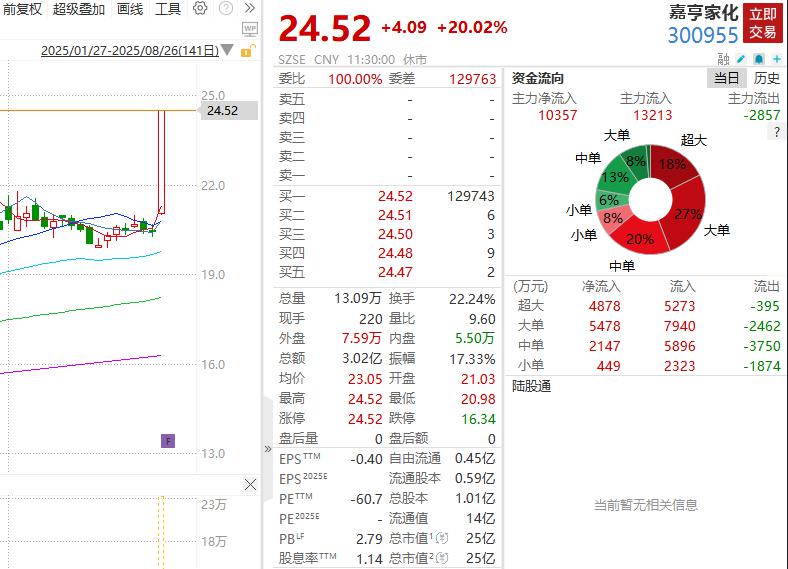
Group 1 - The beauty care sector showed strong performance with Jiaheng Jiahua hitting the daily limit up, trading at 24.52 yuan per share, with a turnover rate of 22.24% and a transaction volume of 3.02 billion yuan [1] - Jiaheng Jiahua specializes in OEM/ODM for daily chemical products and plastic packaging, having established long-term partnerships with brands like Johnson & Johnson and Pechoin [3] - The company is also involved in mosquito repellent products, focusing on mosquito repellent liquids and sprays, with DEET concentrations ranging from 5% to 20% to meet various consumer needs [3] Group 2 - The recent outbreak of the Chikungunya virus has increased consumer demand for mosquito repellent products, leading to a surge in sales for Jiaheng Jiahua's offerings [3] - The company confirmed that its production operations are normal, with ample capacity and advanced facilities [3] - Wanlian Securities noted that while the cosmetics industry is facing overall weak performance, some companies are achieving significant revenue and net profit growth due to strong product capabilities and flexible marketing strategies [4]