资本逃逸

Search documents
报应来了!日元剧烈贬值,日方发出强烈警告,日本经济要完?
Sou Hu Cai Jing· 2025-11-26 15:11
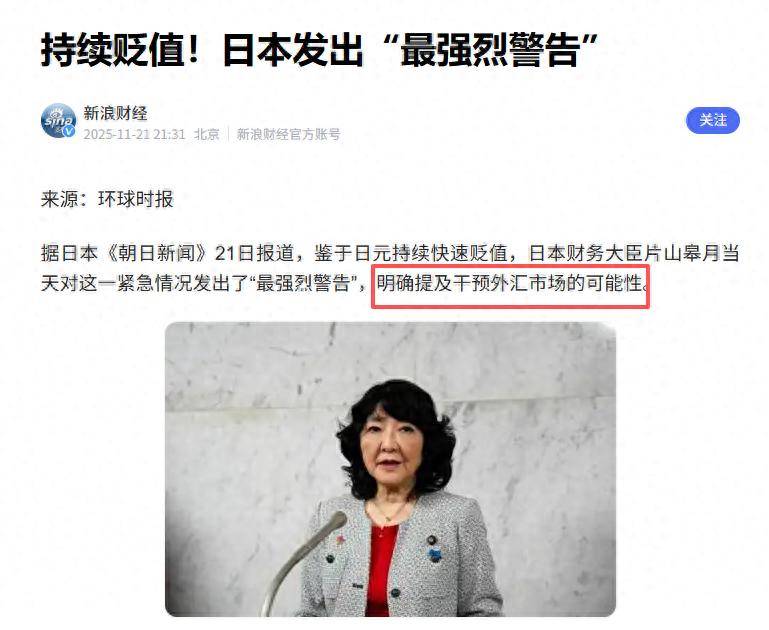
Group 1 - The recent depreciation of the Japanese yen is characterized as a sharp and dramatic decline rather than a gradual one, with the exchange rate nearing 157.3:1 against the US dollar, marking a single-day drop of 1.8% [1] - The Japanese government, particularly Finance Minister Katsuyuki Kitagawa, has issued strong warnings and appears ready to intervene in the market due to the alarming currency situation [1][3] - The yen's depreciation has not led to an increase in exports but has instead resulted in soaring import costs, pushing inflation to unprecedented levels, with core CPI rising 3.0% year-on-year as of October 2025 [5][12] Group 2 - The yen has depreciated over 50% since 2021, from 102 to over 157, leading to significant economic challenges, including rising costs of essential goods like rice and eggs [5][14] - The government’s economic stimulus package of 21.3 trillion yen (approximately 96.56 billion RMB) has exacerbated the situation, relying heavily on issuing more government debt, which has led to a sell-off of Japanese bonds [7][9] - Japan's national debt has reached twice its GDP, and the rising bond yields indicate a loss of market confidence, with 40-year bond yields hitting a historic high of 3.695% [7][9] Group 3 - The political landscape under Prime Minister Kishi has contributed to the crisis, with aggressive policies leading to a disconnect between political actions and economic realities, resulting in a self-inflicted economic downturn [3][10] - The tourism and retail sectors are suffering due to strained relations with China, which has halted imports of Japanese seafood and discouraged Chinese tourists, further impacting Japan's economy [10][12] - The ongoing capital flight from Japan, as investors lose faith in government policies, has led to a significant drop in the stock market, with a 2.4% decline observed recently [12][16] Group 4 - The current crisis reflects a broader failure of economic policy, where the yen's depreciation has not translated into competitive advantages but rather into increased living costs for citizens [12][18] - The situation poses a risk of escalating tensions with the US if Japan attempts to intervene in the currency market, potentially leading to further economic isolation [16][18] - The overall outlook for Japan's economy is grim, with the potential for a complete policy failure if current trends continue, leading to a significant political and economic crisis [18]

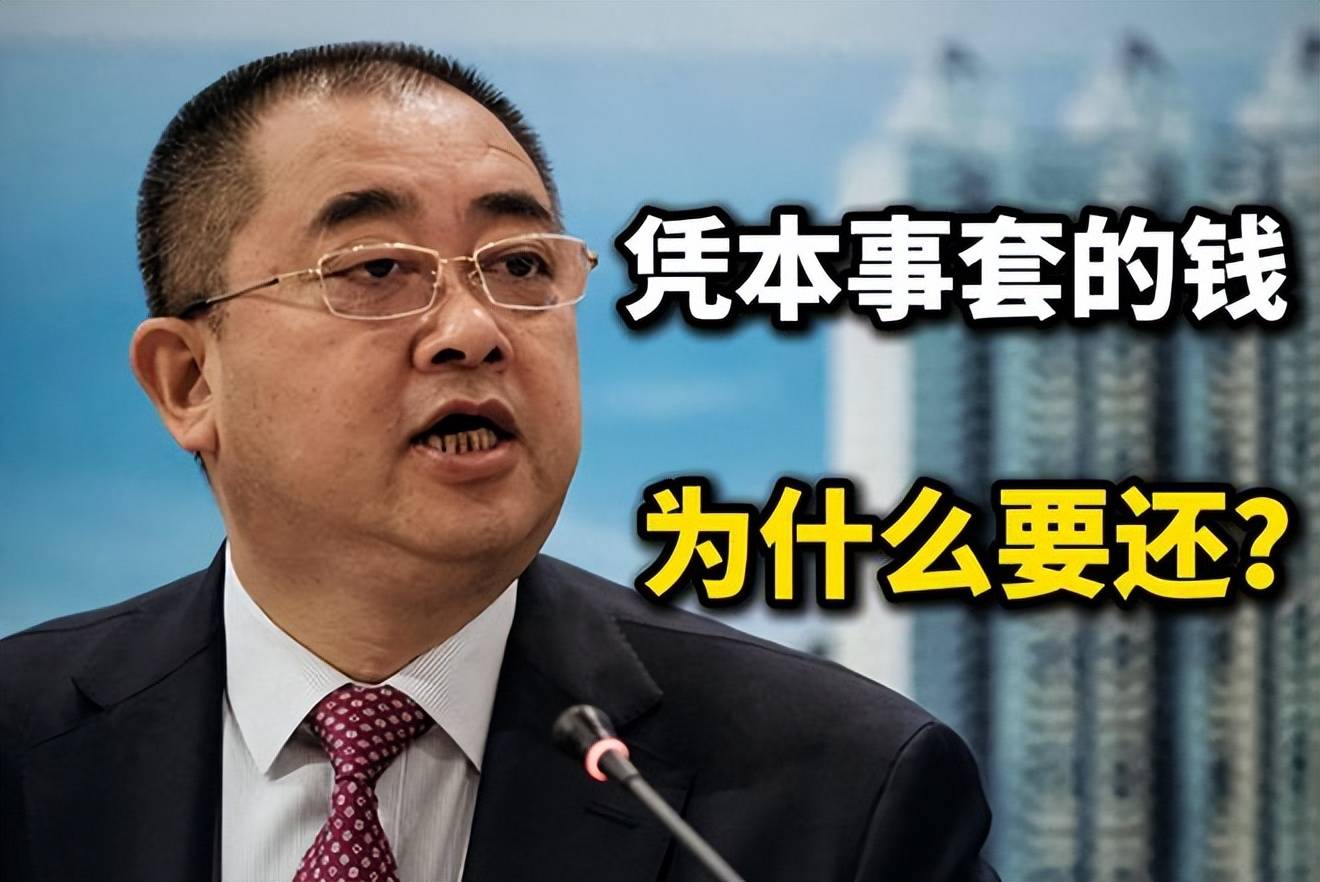
恒大2号人物夏海钧现身美国:恒大暴雷后,他凭什么岁月静好?
Sou Hu Cai Jing· 2025-08-19 19:51
Core Viewpoint - The article highlights the stark contrast between the luxurious life of Xia Haijun, a former executive of Evergrande, who has fled to the U.S. with significant assets, and the struggles of homeowners in China dealing with unfinished properties after the company's collapse. The recent freezing of Xia's assets by a Hong Kong court raises questions about the recovery of funds for affected homeowners and the challenges of international asset recovery [1][10]. Group 1: Xia Haijun's Actions - Xia Haijun's departure from Evergrande is characterized as a textbook example of asset flight, having joined the company in 2007 and later fleeing to the U.S. after the company's financial troubles became apparent [3]. - In 2017, Xia's annual salary reached 270 million, averaging 740,000 per day, and by 2020, his total compensation, including stock options, soared to 2 billion, solidifying his status as a "working emperor" [4]. - Prior to the company's crisis, Xia executed a series of asset liquidation strategies, converting over 2 billion Hong Kong dollars into cash by selling stocks and bonds just before the company's troubles became public [4]. Group 2: Asset Concealment Strategies - Xia Haijun's properties in the U.S. are registered under his wife's name, effectively concealing his ownership and complicating potential asset recovery efforts [6]. - He utilized a revocable trust to hold his latest property, which legally separates the asset from his personal ownership while allowing him to reclaim it if necessary, a strategy commonly used by wealthy individuals to protect assets [8]. - The trust structure creates significant legal barriers for creditors attempting to claim Xia's assets, as proving his control over the trust and the legality of the funds used is challenging [13]. Group 3: Legal and Jurisdictional Challenges - The freezing of Xia's assets by the Hong Kong court is seen as a preliminary step in a lengthy and uncertain debt recovery process, with the actual recovery of funds remaining doubtful [10]. - Xia's Canadian citizenship complicates legal proceedings, as it limits the ability of Chinese authorities to enforce judgments against him, given the lack of extradition treaties between Canada and China, as well as the U.S. [11]. - The complexities of enforcing Hong Kong court judgments in the U.S. add another layer of difficulty, as U.S. courts require thorough examination of whether such judgments align with American law, which can take years and may not succeed [14]. Group 4: Broader Implications - The collapse of Evergrande serves as a significant marker for the challenges facing the Chinese real estate market, while Xia's actions exemplify the broader issue of capital flight and the need for stronger legal frameworks to prevent such occurrences [16].