资金池模式

Search documents
又一巨头暴雷!收割2400亿元,百万人资金打水漂,创始人主动投案
Xin Lang Cai Jing· 2025-12-06 13:25
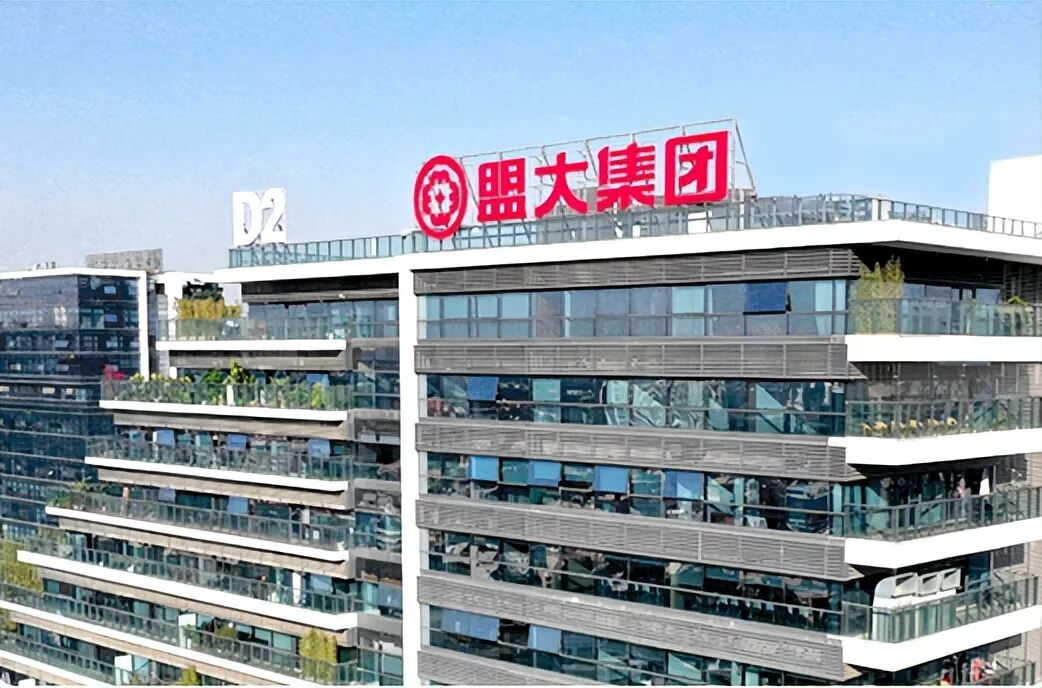
Core Insights - The article discusses the downfall of a once-prominent Chinese B2B platform, Mengda Group, which has trapped millions of business owners and raised 240 billion yuan, revealing it as a "financial black hole" [1] Group 1: Company Background - Mengda Group was established in 2010 and became a giant in the plastic chemical industry, claiming to serve over 1 million clients and facilitating online trade worth over 240 billion yuan [5][4] - The company was recognized as a "national high-tech enterprise" and ranked among the top 10 B2B platforms in China, showcasing its strong market position [5][4] - Mengda's business model expanded from B2B to B2C, including e-commerce live streaming, which was marketed as a response to government calls for boosting consumption [9][11] Group 2: Crisis Development - The crisis began on September 4, 2025, when a judicial procedure led to the freezing of Mengda's accounts, triggering panic among clients and a subsequent run on withdrawals [16][18] - By October 24, 2025, Mengda's founder publicly acknowledged the liquidity crisis, stating that the company had to mobilize cash resources from all subsidiaries to address the withdrawal surge [21][18] - Within 37 days, the company's reputation collapsed, leading to a significant loss of trust among clients and investors [26] Group 3: Business Model Analysis - Mengda's platforms, "Liuke Yunbang" and "Xiaogu Shoufu," were found to operate under a model that blurred the lines between service and investment, effectively creating a "funding pool" [27][31] - The reliance on continuous inflow of new funds to sustain operations and meet withdrawal demands exposed the vulnerabilities of their business model [31] - The company's shift from serving the real economy to financial speculation ultimately led to its downfall, as it failed to maintain the integrity of its operations [35][36]

一边巨亏,一边跑路,家装公司还敢信吗?
3 6 Ke· 2025-07-31 10:28
Core Viewpoint - The home improvement industry is facing unprecedented challenges, with major companies experiencing financial distress, leading to a loss of consumer trust and significant operational risks [1][2][5]. Group 1: Industry Crisis - Recent events in the home improvement sector, including the planned share reduction by Alibaba's shareholders in Red Star Macalline, have caused stock price declines and raised concerns about the industry's stability [1]. - High-profile incidents, such as the suicides of industry leaders from Liangjiajia and Juran Zhijia, highlight the severe struggles within the industry [3][4]. - The financial troubles are not isolated; companies like Dongyi Risheng and Zhufan have also faced bankruptcy and operational crises, indicating a broader industry downturn [4][5]. Group 2: Consumer and Supplier Impact - The ongoing crises have led to a significant loss of confidence among consumers and suppliers, with many facing difficulties in recovering funds and settling debts [2][5]. - The operational failures of companies like Liangjiajia have resulted in incomplete projects for consumers, leaving them with financial losses and unresolved issues [6]. - The prevalent "fund pool" model in the industry has exacerbated financial risks, as companies often misallocate consumer prepayments for other expenses, leading to cash flow issues [6][7]. Group 3: Market Dynamics and Trends - The home improvement market is shifting from new home renovations to the renovation of existing properties, with the proportion of new home renovations dropping from 48.9% in 2020 to 35.9% in 2024 [8][9]. - Despite the overall market challenges, some companies like Oppein and Beike have managed to achieve growth through cost control and leveraging their existing customer bases [9][12]. - The future of the industry may depend on a shift from high turnover and capital reliance to a focus on product quality, service experience, and supply chain integration [10][12].