东莞优品

Search documents
莞货如何再创优品?东莞今年将谋划打造更多爆款新品
Nan Fang Du Shi Bao· 2026-02-04 05:51
Group 1 - Dongguan is focusing on enhancing its manufacturing brand matrix by 2026, emphasizing quality and brand development through various initiatives [1] - The city plans to implement a "30-minute quality service circle" and establish a "Dongguan Quality" cloud platform to improve service efficiency [1] - Dongguan aims to cultivate 100 "Dongguan Excellent Products" and increase the trademark ownership rate among industrial enterprises to 48% [1] Group 2 - The city is enhancing its domestic sales service system by organizing events like the "Dongguan Excellent Products National Tour" and "Dongguan Enterprises Trade Fair" [2] - Dongguan is establishing a "Dongguan New Products" release center to promote new products globally and is exploring the "Guanli Economy" to strengthen brand building and international communication [2] - The local cuisine is being revitalized to enhance quality and elevate the "Food in Dongguan" brand, incorporating authentic ingredients and cooking methods [2]


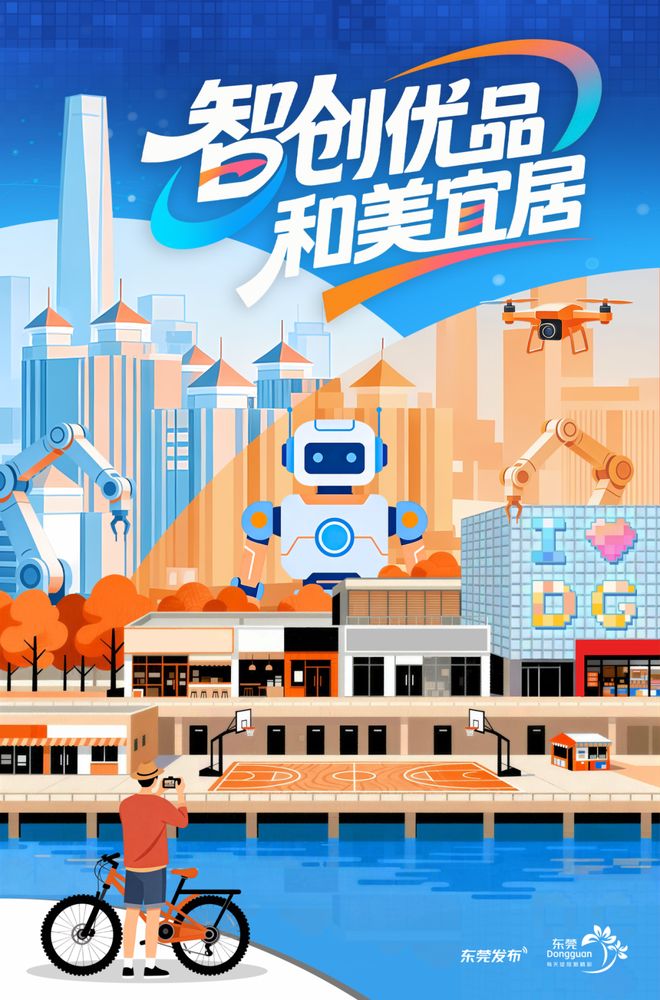
下一个五年,东莞新命题:“智创优品、和美宜居”
Nan Fang Du Shi Bao· 2025-12-16 13:21
Core Viewpoint - Dongguan is set to embark on a new five-year economic and social development plan, emphasizing "Intelligent Creation of Quality Products, Harmonious Beauty, and Livability" as its strategic goals for the upcoming period [1][14]. Group 1: Strategic Goals - "Intelligent Creation" focuses on fostering new productive forces through innovation, particularly in technology-driven industries like artificial intelligence, leveraging Dongguan's strong industrial base [6][16]. - "Quality Products" aims to enhance brand strength and product quality, addressing the long-standing challenge of the manufacturing sector in China, with local brands like OPPO and vivo exemplifying this shift [8]. - "Harmonious Beauty" emphasizes a people-centered approach to urban governance, promoting a culture of civility and community engagement to create a shared living environment for its residents [9]. - "Livability" seeks to improve urban infrastructure and services, ensuring a high quality of life for citizens while adopting a "reduction development" strategy to optimize land use [11]. Group 2: Implementation and Challenges - The integration of "Intelligent Creation" and "Quality Products" serves as a driving force for economic growth, while "Harmonious Beauty" and "Livability" provide essential support for sustainable urban development [13][21]. - Dongguan's strategic plan is aligned with Guangdong's broader mission to lead in high-quality development, positioning the city as a benchmark for other urban areas in China [14][19]. - The city faces challenges such as industrial upgrading, spatial constraints, and population integration, which are common among rapidly developing cities in the Guangdong-Hong Kong-Macau Greater Bay Area [21][24]. Group 3: Future Vision - The vision for Dongguan includes a harmonious blend of industrial growth and quality of life improvements, aiming to transform the city into a model of modern urban living that prioritizes human development [22][26]. - The strategic framework is designed to ensure that Dongguan not only maintains its status as a manufacturing powerhouse but also evolves into a leader in innovation and urban governance [16][30]. - The overarching goal is to create a vibrant city that balances economic productivity with cultural and social well-being, ultimately enhancing the quality of life for all residents [29][30].
又一巨头暴雷!收割2400亿元,百万人资金打水漂,创始人主动投案
Xin Lang Cai Jing· 2025-12-06 13:25
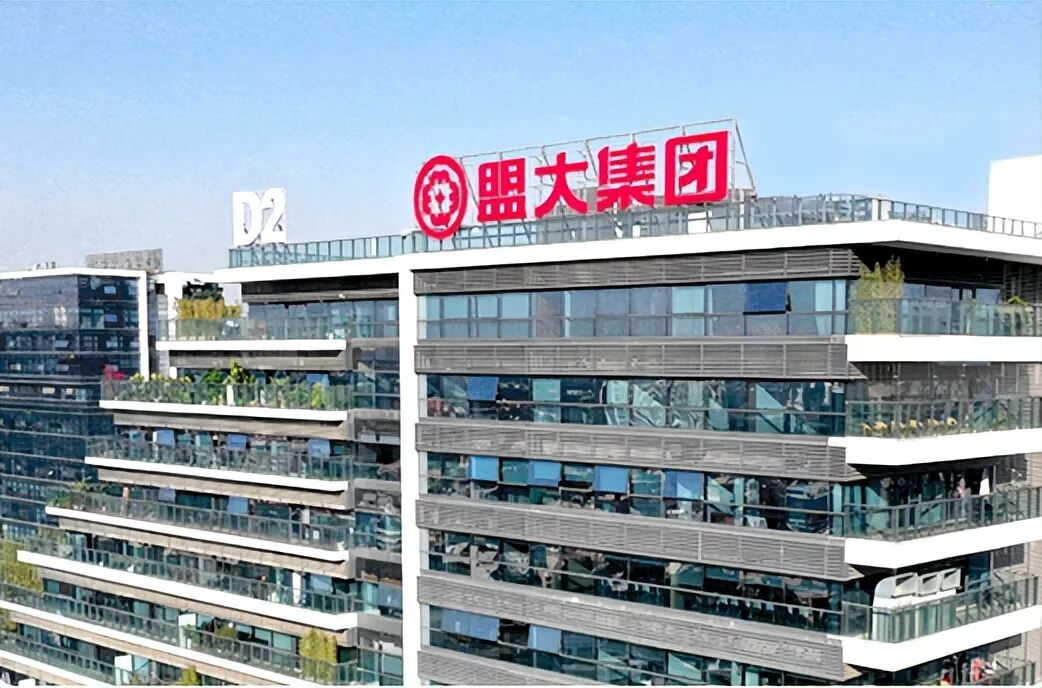
Core Insights - The article discusses the downfall of a once-prominent Chinese B2B platform, Mengda Group, which has trapped millions of business owners and raised 240 billion yuan, revealing it as a "financial black hole" [1] Group 1: Company Background - Mengda Group was established in 2010 and became a giant in the plastic chemical industry, claiming to serve over 1 million clients and facilitating online trade worth over 240 billion yuan [5][4] - The company was recognized as a "national high-tech enterprise" and ranked among the top 10 B2B platforms in China, showcasing its strong market position [5][4] - Mengda's business model expanded from B2B to B2C, including e-commerce live streaming, which was marketed as a response to government calls for boosting consumption [9][11] Group 2: Crisis Development - The crisis began on September 4, 2025, when a judicial procedure led to the freezing of Mengda's accounts, triggering panic among clients and a subsequent run on withdrawals [16][18] - By October 24, 2025, Mengda's founder publicly acknowledged the liquidity crisis, stating that the company had to mobilize cash resources from all subsidiaries to address the withdrawal surge [21][18] - Within 37 days, the company's reputation collapsed, leading to a significant loss of trust among clients and investors [26] Group 3: Business Model Analysis - Mengda's platforms, "Liuke Yunbang" and "Xiaogu Shoufu," were found to operate under a model that blurred the lines between service and investment, effectively creating a "funding pool" [27][31] - The reliance on continuous inflow of new funds to sustain operations and meet withdrawal demands exposed the vulnerabilities of their business model [31] - The company's shift from serving the real economy to financial speculation ultimately led to its downfall, as it failed to maintain the integrity of its operations [35][36]