超个性化

Search documents
Santander Brasil(BSBR) - 2025 Q4 - Earnings Call Transcript
2026-02-04 14:02
Financial Data and Key Metrics Changes - The company reported a net income of BRL 4.1 billion, reflecting a year-on-year increase of almost 6% and a quarter-on-quarter increase of 1.9% [4] - Profitability was maintained at 17.6%, with a goal to reach over 20% in the future [4] - The net interest income (NII) grew by 0.8% quarter-on-quarter, but showed a year-on-year decline due to market conditions [5] Business Line Data and Key Metrics Changes - Consumer finance grew significantly, with a year-on-year increase of 13%, and insurance fees rose by 73% from a base of 100 [12] - The cards segment also saw growth, with a 13.4% increase year-on-year [26] - Small and medium-sized enterprises (SMEs) experienced a similar growth rate of 13% year-on-year [26] Market Data and Key Metrics Changes - Time deposits from individuals grew by nearly 20% annually, indicating a favorable performance in funding [27] - Demand deposits saw a reduction as clients migrated to time deposits [27] - The company observed a slight improvement in asset management but a deterioration in market making quarter-on-quarter [29] Company Strategy and Development Direction - The company is focused on customer centricity and enhancing the customer journey through hyper-personalization and AI [8][10] - There is a strategic emphasis on increasing the number of active clients and improving transactionality [8] - The company aims to balance its funding mix between corporate and individual clients, targeting a 60% share for individuals in the future [15] Management's Comments on Operating Environment and Future Outlook - Management acknowledged the challenges posed by high interest rates affecting smaller enterprises more significantly [42] - The company remains cautious in credit granting, prioritizing risk-adjusted profitability [26] - There is an expectation of improved performance in the low-income segment over the next few years, although it may take time to achieve desired profitability levels [54] Other Important Information - The company has made significant investments in technology, with tech expenses growing by 16% while other expenses remained flat [60] - The transition to a more modern and efficient banking platform is underway, with plans to migrate legacy systems to cloud-based solutions [63] Q&A Session Summary Question: Delinquency in SMEs - Analyst inquired about the delinquency ratio in SMEs and its implications for the company's strategy - Management noted that the pressure is primarily on smaller enterprises, not specific industries, and emphasized the importance of monitoring this segment [39][40] Question: Relevance of Branches for Low-Income Segment - Analyst asked about the role of branches in serving the low-income segment amid a reduction in branch numbers - Management responded that while branches still play a role, the focus is shifting towards digital channels and experience stores [49][51] Question: Technology Investments and AI Deployment - Analyst sought clarification on future technology investments and the use of AI in credit models - Management confirmed ongoing investments in technology and the integration of AI in both loan granting and recovery models [60][64]

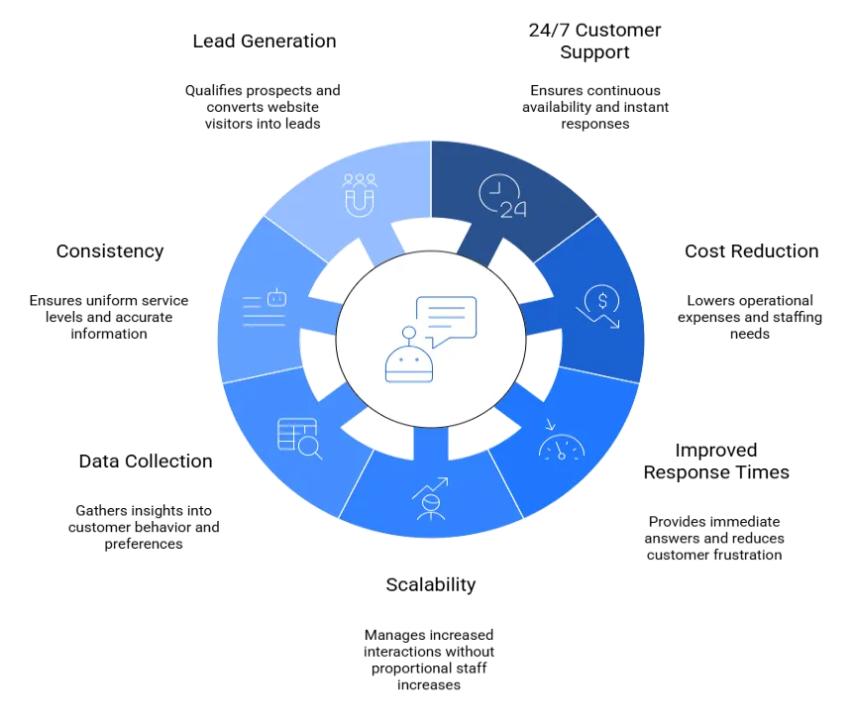
这是最新AI产品季度百强丨量子位智库AI 100
量子位· 2025-10-17 11:30
Core Insights - The latest "AI 100" lists reveal shifts in the leading AI products and highlight emerging players in the market, focusing on both established and innovative products [1] Group 1: Flagship 100 - Leading AI products have experienced a decline in both web and app usage compared to June, yet the overall landscape remains stable [2] - The top web products maintain a strong presence, with total visits and MAU exceeding 80% and 70% respectively, featuring products like DeepSeek, Doubao, and Quark [2] - The app segment also shows stability, with notable products including WPS, QQ Browser, and Doubao, which has seen a cumulative download of over 230 million [2] - A total of 35 new products entered the flagship list, with 18 being successful from the previous innovation list, showcasing a diverse range of AI applications [2][3] Group 2: Innovation 100 - The innovation list serves as a forward-looking index of rapidly growing AI products with unique designs, differing from the flagship list's focus on established products [7] - This quarter's innovation list includes 56 new entrants, primarily from sectors like comprehensive AI agents, AI education, and AI entertainment [9][8] - The competition among innovative products will hinge on user engagement, product functionality, and effective marketing strategies [13] Group 3: Market Trends - The current phase is marked by intense competition in AI products, driven by new workflows and long-term user retention strategies [14] - Key themes include "scene segmentation" and "hyper-personalization," which are seen as critical for enhancing user experience and product differentiation [16] - Companies must navigate the evolving landscape by focusing on user-specific needs and operational efficiency to maintain relevance [15]


企业AI聊天机器人:2025年值得关注的趋势
3 6 Ke· 2025-06-29 23:49
Core Insights - The evolution of enterprise-level AI chatbots has shifted from basic customer service tools to advanced systems that can transform customer interactions and backend operations [1] - By the end of 2025, over 80% of customer interactions are expected to involve chatbots, indicating a fundamental shift in customer expectations [1] - The market for AI chatbots is projected to reach $27 billion by 2030, driven by advancements in voice technology, AI integration, and personalized customer journeys [2][26] Group 1: AI Chatbot Functionality - AI chatbots can engage in real conversations, understanding user intent beyond scripted responses [3][4] - Key features include Natural Language Understanding (NLU), which allows chatbots to comprehend various expressions of the same question [9] - They provide 24/7 customer support, reduce costs, shorten response times, and offer scalability for businesses of all sizes [5][6] Group 2: Business Benefits - AI chatbots enable businesses to respond to customer inquiries without human intervention, meeting modern consumer expectations for instant support [6] - They help prevent potential customers from abandoning purchases due to unanswered questions and maintain service quality during high traffic periods [6] - Chatbots can collect valuable data on customer behavior and preferences, improving products, services, and marketing strategies [10] Group 3: Real-World Applications - Companies like H&M and Domino's have successfully implemented chatbots, resulting in increased online sales and reduced call volumes [11] - American Bank's virtual assistant, Erica, handles over 1 billion customer interactions annually, showcasing the efficiency of AI in banking [11] - Chatbots enhance customer engagement and satisfaction across various industries, including fashion, food delivery, and travel [11] Group 4: Implementation Challenges - Initial setup complexity and the need for extensive training data can pose challenges for businesses adopting AI chatbots [13][14] - Integration with legacy systems may require significant upgrades and custom API development [14] - Customer skepticism towards automated responses can hinder adoption, necessitating a balance between automation and human interaction [14] Group 5: Selection Criteria - Businesses should clarify their objectives for chatbot use, whether for customer support, sales, or internal functions [17] - The choice between off-the-shelf solutions and custom-built chatbots depends on the complexity of workflows and available technical resources [18] - Evaluating key features such as multi-channel support, third-party integrations, and security controls is essential for selecting the right chatbot [20] Group 6: Future Trends - Voice technology is emerging as a significant growth area, enabling more intuitive customer interactions [23] - Integration with advanced AI models like GPT-4 is enhancing chatbot capabilities, allowing them to handle complex queries [24] - The trend towards hyper-personalization in customer journeys is driving the adoption of AI chatbots across various sectors [25]